Policy Implications of Faulty Cyber Risk Models and How to Fix Them
Explore data-driven analysis of cyber incidents, their economic impact, and policy implications. Learn to improve risk models for better security governance and third-party risk management.
Disinformation at Scale - Using GPT-3 Maliciously for Information Operations
Explores the potential misuse of GPT-3 for large-scale disinformation campaigns, examining its capabilities to generate convincing fake news and the implications for society and information integrity.
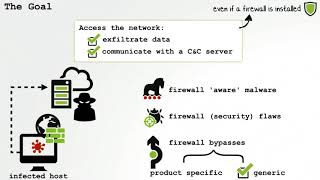
Fire & Ice - Making and Breaking macOS Firewalls
Explore macOS firewall creation and vulnerabilities, covering kernel-level socket filtering, user-mode communication, secure installation, and self-defense mechanisms. Learn about firewall bypasses and potential weaknesses.
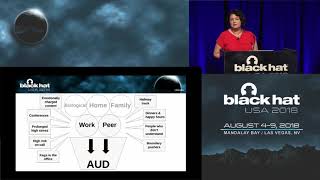
Holding on for Tonight - Addiction in InfoSec
Explore the connection between stress, addiction, and relapse in InfoSec, with personal insights on alcohol use disorder and tips for fostering inclusive, supportive work environments.

Level Up Your Security Mindset
Upgrade your security approach with collaboration, innovation, and risk-based technology. Learn to adapt to business needs, find the right solutions, and move beyond traditional "no" responses.

ZEROing Trust - Do Zero Trust Approaches Deliver Real Security?
Analyze effectiveness of zero trust security across modern OS platforms, examining measurable properties to establish trust in various threat scenarios.
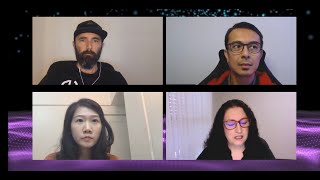
Conclusions and Key Takeaways from Day 1
Insightful discussion on pressing InfoSec issues, including COVID-19 impact, security breaches, misinformation, and digital asset protection, featuring Black Hat Review Board members.

Divide et Impera - MemoryRanger Runs Drivers in Isolated Kernel Spaces
Explore Windows 10 kernel memory protection, its vulnerabilities, and MemoryRanger's innovative approach to isolating drivers for enhanced security against malware attacks.
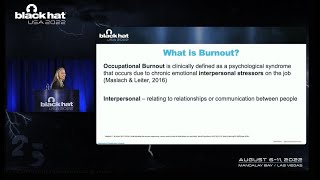
Trying to Be Everything to Everyone - Let’s Talk About Burnout
Explore burnout in computer security, its causes, and mitigation strategies. Learn to set boundaries, manage anxiety, and maintain passion in a high-stress industry facing significant workforce shortages.
EBPF ELFs JMPing Through the Windows
Explore eBPF for Windows: capabilities, security model, design, and attack surface. Uncover vulnerabilities, witness fuzzing demos, and discuss exploitation challenges in Windows Protected Process.
Defeating Pass-the-Hash - Separation of Powers
Explore Windows 10's innovative approach to defeating Pass-the-Hash attacks through strong isolation of symmetric credentials, leveraging virtualization technology to sequester secrets from potential attackers.
How to Hack Government - Technologists as Policy Makers
Explore how technologists can influence policy-making, focusing on the FTC's role in protecting online privacy and data security through enforcement, research, and consumer protection initiatives.

The Perl Jam 2 - The Camel Strikes Back
Exploring critical vulnerabilities in Perl's core modules and CGI frameworks, demonstrating fundamental language issues through 0-days, and challenging the "developer's fault" narrative.
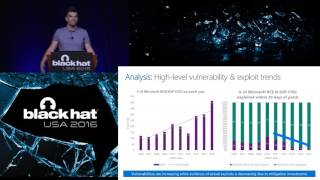
Windows 10 Mitigation Improvements
Explore Microsoft's data-driven approach to software security, including proactive monitoring, analysis of exploits, and mitigation improvements in Windows 10 to enhance protection against vulnerabilities.
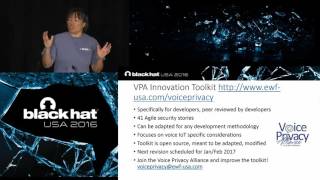
Building Trust and Enabling Innovation for Voice Enabled IoT
Explore security considerations for voice-enabled IoT devices using the Voice Privacy Alliance's toolkit, focusing on building trust and fostering innovation in this emerging technology.
The Myths of Software Security
Exposé of common software security myths, debunking industry surveys, best practices, and popular concepts like "shift left" and SBOMs. Challenges conventional wisdom with evidence-based insights.

Agile Programming - For Your Family
Discover innovative family management techniques inspired by agile software development, promoting flexibility, communication, and accountability for a happier home life.

The Moral Dangers of Non-Lethal Weapons
Explores ethical implications of non-lethal weapons like pepper spray and tasers, examining unexpected consequences and raising challenging questions about their increasing use in law enforcement.

Why Work Doesn't Happen at Work
Explore Jason Fried's radical theory on workplace productivity, challenging traditional office norms and offering innovative solutions for effective work environments.

Toward a New Understanding of Mental Illness
Explore innovative approaches to mental health research, focusing on early detection and prevention strategies for depression and schizophrenia, inspired by successful heart disease interventions.

Why Eyewitnesses Get It Wrong
Explore the fallibility of eyewitness testimony and memory formation in criminal cases, challenging assumptions about human perception and recall in high-stress situations.