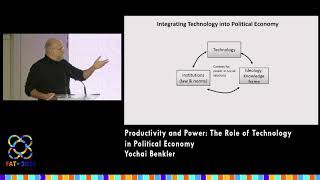
Productivity and Power - The Role of Technology in Political Economy
Explore the intersection of technology, productivity, and political power with Harvard Law professor Yochai Benkler in this thought-provoking keynote address from FAT*2020.
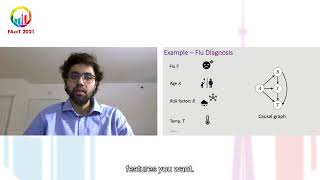
Fairness Violations and Mitigation under Distribution Shift
Explore fairness violations in machine learning under covariate shift and learn effective mitigation strategies for more equitable AI systems.
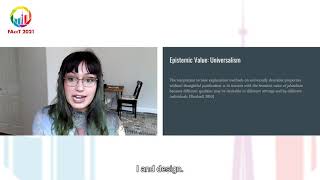
Epistemic Values in Feature Importance Methods - Lessons From Feminist Epistemology
Explore how feminist epistemology insights can enhance feature importance methods in machine learning, addressing biases and improving interpretability in AI systems.
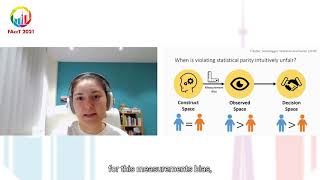
On the Moral Justification of Statistical Parity
Explore the ethical implications of statistical parity in algorithmic decision-making, examining its moral justification and impact on fairness in AI systems.
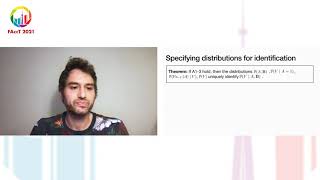
From Optimizing Engagement to Measuring Value
Explore the shift from engagement optimization to value measurement in digital platforms, examining ethical implications and proposing alternative metrics for user experience evaluation.
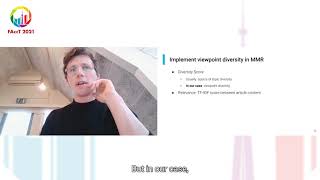
Operationalizing Framing to Support Multiperspective Recommendations of Opinion Pieces
Explore how framing analysis can enhance recommendation systems for opinion pieces, promoting diverse perspectives and reducing bias in information consumption.
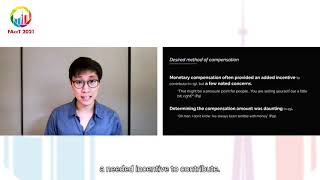
Designing an Online Infrastructure for Collecting AI Data From People With Disabilities
Explore the design of online systems for gathering AI data from individuals with disabilities, addressing challenges and ethical considerations in inclusive data collection.
Mixed Messages - The Limits of Automated Social Media Content Analysis
Explore limitations of automated content analysis on social media, examining accuracy, bias, and implications for free expression and content moderation policies.
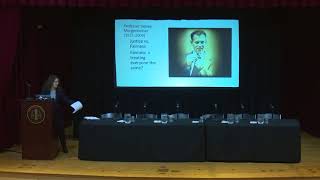
What Is Discrimination, When Is It Wrong and Why?
Exploration of discrimination's definition, permissibility, and ethical implications. Surveys scholarly perspectives on discrimination law's purpose and debates surrounding various approaches to identifying wrongful discrimination.
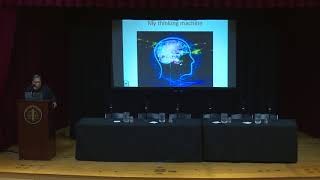
Saving Humanity
Explore the impact of AI and technology on society, policy, and human values with Harvard's Latanya Sweeney. Examine unforeseen consequences and discuss how to shape our technological future responsibly.
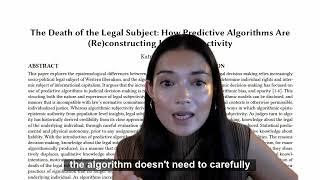
The Death of the Legal Subject - How Predictive Algorithms Are -Re-constructing Legal Subjectivity
Explore how predictive algorithms reshape legal subjectivity, challenging traditional notions of individual agency and responsibility in the justice system.
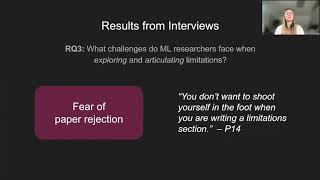
REAL ML - Recognizing, Exploring, and Articulating Limitations in Machine Learning Research
Explore key strategies for identifying, investigating, and communicating limitations in machine learning research to enhance transparency and foster responsible AI development.
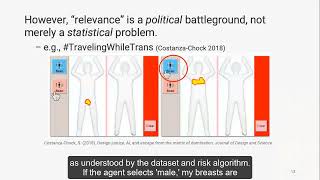
Are "Intersectionally Fair" AI Algorithms Really Fair to Women of Color? - A Philosophical Analysis
Philosophical examination of AI algorithms' fairness towards women of color, challenging the concept of "intersectional fairness" in artificial intelligence.
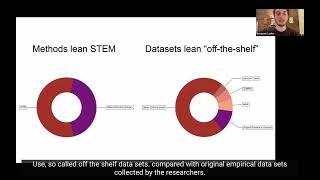
Four Years of FAccT - A Reflexive, Mixed-Methods Analysis of Research Contributions, Shortcomings, and Future Prospects
Reflexive analysis of FAccT research, examining contributions, limitations, and future directions in computing fairness, accountability, and transparency over four years.
Burnout - Destabilizing Retention Goals and Threatening Organizational Security
Explore strategies to prevent burnout in cybersecurity professionals, improve talent retention, and maintain organizational security through effective mental health support and skill development.
How Anonymous Narrowly Evaded the Cyberterrorism Rhetorical Machine
Explore the factors that prevented Anonymous from being labeled as cyberterrorists, despite their global political activism and masked identity. Gain insights into the complex dynamics of digital activism and cybersecurity rhetoric.
M33tfinder
Discover M33tfinder: a tool for identifying vulnerable web applications. Learn offensive security techniques from an experienced researcher in this informative conference talk.
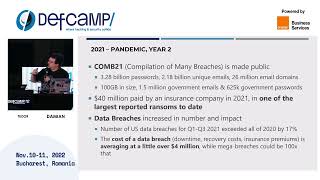
Personal Security in a Post-Pandemic Age
Explore post-pandemic personal security challenges and strategies with IT consultant Tudor Damian. Learn to protect yourself in an evolving digital landscape.
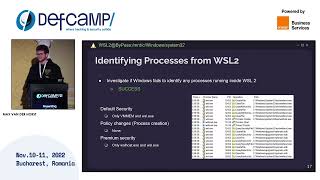
WSL 2 and Security - Productivity Booster or Achilles Heel
Explore WSL 2's security implications: productivity enhancer or potential vulnerability? Gain insights from cybersecurity experts on leveraging this technology safely in your development workflow.
Deconstructing Our Perception of Perfection
Explore how medical professionals' avoidance of crucial aspects impacts patient care and potential life-saving improvements in healthcare.

The Wonders of a Wandering Mind
Explore the concept of "multi-perspectiving" and cross-disciplinary thinking, discovering how these unique human brain abilities shape our world and drive innovation.