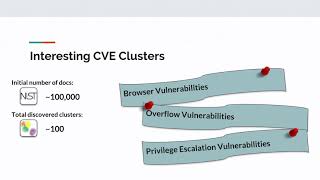
Making Sense of Unstructured Threat Data
Explore how Natural Language Processing and Word2Vec can organize unstructured cybersecurity intelligence, making it actionable by mapping to frameworks like MITRE ATT&CK.

Automating Web Application Bug Hunting
Discover techniques for automating web application vulnerability scanning to enhance bug bounty hunting and application security analysis efficiency.
Securing Online Identities with Simple, Secure, Open Standards
Explore the evolution of online identity security, from U2F to FIDO2, and learn how open standards are shaping the future of passwordless authentication across devices.
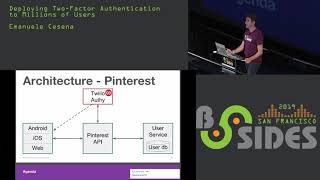
Deploying Two-Factor Authentication to Millions of Users
Comprehensive guide on implementing two-factor authentication for large-scale websites, covering design, architecture, and various methods like TOTP, push notifications, and FIDO security keys.
How to Build an Application Security Program
Practical insights on creating and improving application security programs, drawing from 20 years of experience across various sectors. Covers successful strategies and pitfalls to avoid.
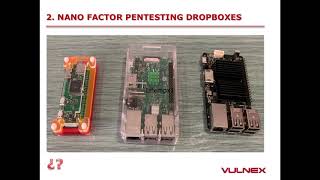
Conquer the Enterprise from Inside
Explore penetration testing dropboxes: types, setup, and attacks. Learn how these tools simulate internal threats, uncover security gaps, and benefit both red and blue teams in enterprise environments.
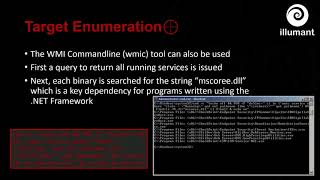
Abusing WCF Endpoint for RCE and Privilege Escalation
Explore WCF vulnerabilities in .NET programs, focusing on privilege escalation and remote code execution. Learn to identify and exploit these bugs through a real-world case study.
Containers - Your Ally in Improving Security
Explore built-in security tactics for Kubernetes and Docker, including automated configurations, read-only filesystems, and limiting cross-container communications to enhance service security.
How to Orchestrate a Cyber Security Incident Tabletop Exercise
Interactive presentation on orchestrating cyber security incident tabletop exercises, focusing on "assume breach" scenarios and guiding participants through simulated timelines and decision-making processes.
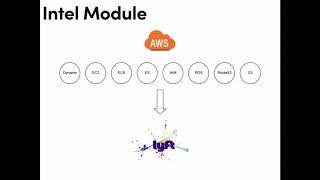
Lyft Cartography - Automating Security Visibility and Democratization
Explore Lyft's open-source security intelligence platform for asset tracking, relationship mapping, and automated decision-making. Learn how it improves visibility and empowers teams to enhance security posture.
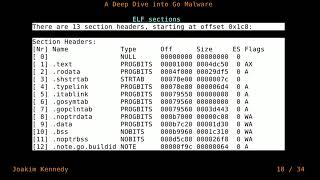
A Deep Dive into Go Malware - Using Metadata to Empower the Analyst
Explore Go malware's unique characteristics, metadata analysis techniques, and insights into malware authorship through examination of stripped Go binaries and their structural elements.
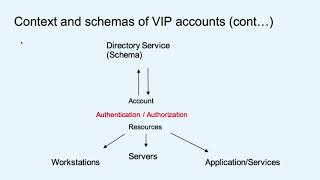
Profiling VIP Accounts Access Patterns in User-Centric Data Streams
Innovative real-time analysis technique for detecting compromised privileged accounts using Kafka streaming, enabling scalable, per-account risk assessment and evolving individual risk profiles.
Anti-Privacy Anti-Patterns
Exploring data collection practices, privacy implications, and the need for perspective shifts in digital privacy. Examines research findings, technological innovations, and the impact of seemingly harmless data.
Do You Even Tech Anymore - Management & Leadership in Security
Insights on transitioning from engineering to management in security, addressing challenges, self-doubt, and maintaining technical relevance while developing leadership skills and fostering a collaborative team culture.
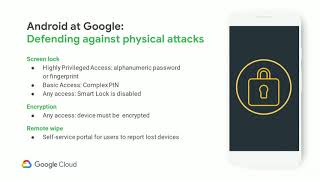
Do Androids Dream of Electric Fences?
Explore Android enterprise security features, threats, and best practices for protecting users in organizations. Learn how Google implements these measures and where to begin enhancing your security.
How to Fix the Diversity Gap in Cybersecurity
Explore strategies to address the cybersecurity diversity gap, examining unconscious bias, underrepresented experiences, and actionable steps to increase and retain qualified candidates from diverse backgrounds.

Fuzzing Malware for Fun & Profit
Explore coverage-guided fuzzing to find vulnerabilities in malware, potentially stopping DDoS attacks and controlling botnets. Learn about netAFL tool and see real-world exploitation demos.

Fundamental Flaws in Security Thinking
Explore flaws in security thinking, examining historical assumptions and their impact on modern cybersecurity practices. Gain insights to improve organizational security strategies.

Beyond Passwords
Explore advanced authentication methods beyond traditional passwords, discussing innovative security techniques for robust digital protection.

Linux Monitoring at Scale with eBPF
Explore efficient Linux monitoring using eBPF for process execution, network connections, and file integrity, achieving under 1% overhead for large-scale security alerting.

Illusion vs Reality - An FBI Agent’s Take on Private Sector Realities and Government Sector Illusions
Former FBI agent shares insights on cybersecurity challenges, highlighting the gap between government perceptions and private sector realities, and discussing effective strategies for threat mitigation and future preparedness.