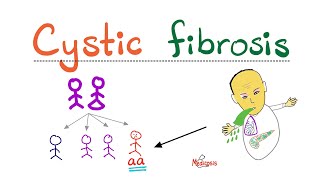
Cystic Fibrosis - Definition, Pathogenesis, Symptoms and Complications
Comprehensive overview of cystic fibrosis, covering its definition, underlying mechanisms, clinical manifestations, and potential complications. Ideal for medical students and healthcare professionals seeking in-depth understanding.
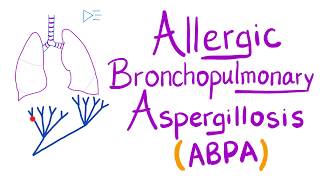
Allergic Bronchopulmonary Aspergillosis - ABPA
Comprehensive overview of Allergic Bronchopulmonary Aspergillosis (ABPA), covering its pathophysiology, clinical presentation, diagnosis, and treatment options for medical professionals and students.
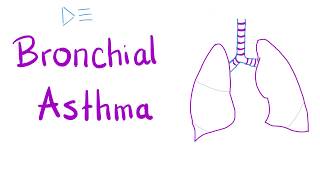
Bronchial Asthma
Comprehensive overview of bronchial asthma, covering pathophysiology, symptoms, diagnosis, and treatment options. Includes animated mnemonics for better understanding and retention.
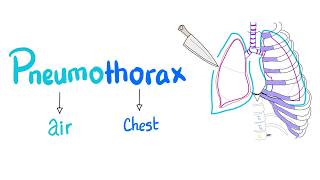
Pneumothorax - Spontaneous vs Tension Pneumothorax - Lung Physiology - Pulmonary Medicine
Comprehensive overview of pneumothorax types, causes, and clinical presentation. Explores lung physiology and management strategies for spontaneous and tension pneumothorax.

Tissue Hypoxia - Respiratory Physiology - Pulmonary Medicine
Explore tissue hypoxia causes, including ischemia, hypoxemia, and hemoglobin abnormalities. Learn about inadequate tissue oxygenation and its implications in respiratory physiology and pulmonary medicine.
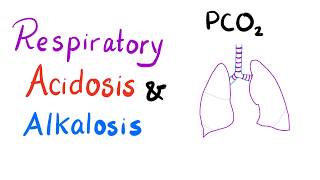
Respiratory Acidosis and Alkalosis - Acid-Base Imbalance
Comprehensive overview of respiratory acid-base disorders, covering causes, physiological mechanisms, and clinical implications of acidosis and alkalosis in the respiratory system.
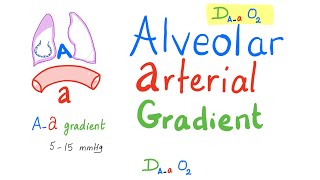
Alveolar-Arterial Gradient - Respiratory Physiology and Pathology - Pulmonary Medicine
Explore the Alveolar-arterial gradient in respiratory physiology, its calculation, and its role in differentiating lung diseases. Learn to interpret A-a gradient values for improved diagnosis.
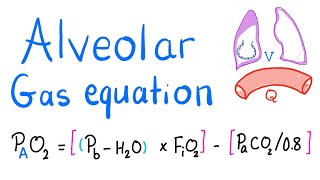
Alveolar Gas Equation - Lung Physiology
Comprehensive explanation of the Alveolar Gas Equation, covering key components like atmospheric pressure, water vapor, inspired oxygen, and arterial blood gases in lung physiology.
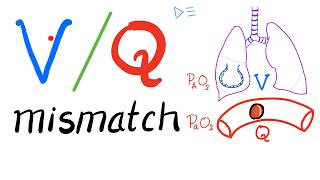
Ventilation-Perfusion Ratio and V-Q Mismatch
Explore ventilation-perfusion ratio, mismatch, dead-space physiology, and pulmonary shunting. Gain insights into intrapulmonary and intracardiac shunts for a comprehensive understanding of respiratory physiology.

Diffusion Capacity of Carbon Monoxide - Pulmonary Medicine
Comprehensive exploration of carbon monoxide diffusion capacity in lungs, covering physiological principles, measurement techniques, and clinical implications for respiratory health assessment.
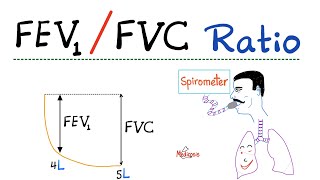
FEV1-FVC Ratio - Pulmonary Medicine - Obstructive vs Restrictive Lung Disease - Respiratory Physio
Explore FEV1/FVC ratio in pulmonary medicine, distinguishing obstructive and restrictive lung diseases through respiratory physiology concepts and diagnostic interpretations.
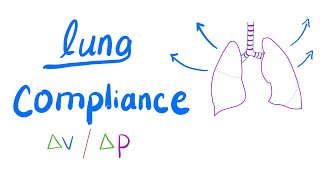
Lung Compliance - Surface Tension - Emphysema - Respiratory Physiology
Explore lung compliance, surface tension, and emphysema in respiratory physiology. Gain insights into pulmonary mechanics and their impact on breathing efficiency.
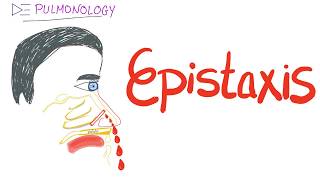
Epistaxis - Causes and Management
Learn causes, types, and effective management strategies for epistaxis (nosebleeds), including anterior vs posterior, common triggers, and treatment approaches for this prevalent condition.
Vascular Disorders
Explore vascular disorders, including Sjögren Syndrome, an autoimmune disease affecting salivary glands, lacrimal glands, and joints, causing dry mouth, dry eyes, and arthritis.
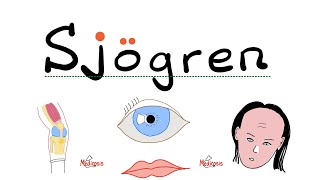
Sjögren Syndrome - Rheumatology
Comprehensive overview of Sjögren Syndrome, covering symptoms, affected glands, and diagnostic markers. Explains the autoimmune nature and distinguishes from Sicca syndrome.

Gout Management
Comprehensive overview of gout management strategies, covering diagnosis, treatment options, and lifestyle modifications to effectively control symptoms and prevent flare-ups.
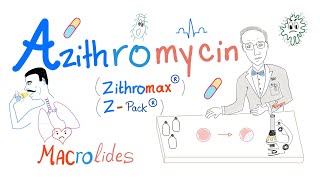
Azithromycin
Explora el antibiótico azitromicina: mecanismo de acción, espectro antimicrobiano, usos clínicos, efectos secundarios y precauciones en este conciso resumen sobre este importante macrólido.
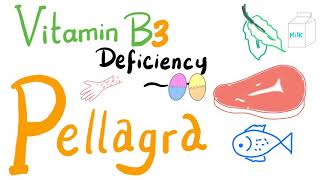
Pellagra - Vitamin B3 Deficiency
Explore the clinical triad of pellagra: diarrhea, dermatitis, and dementia. Learn about the causes, symptoms, and treatment of this vitamin B3 deficiency condition in this concise animated lecture.

Vitamin B3 - Niacin Enzymology - NAD and NADP
Explore the enzymology of Vitamin B3 (Niacin), focusing on NAD and NADP. Learn about their roles in metabolism, energy production, and cellular processes, enhancing your understanding of biochemistry.
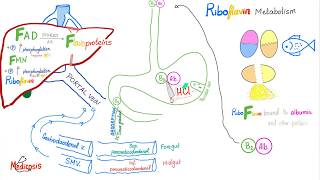
Vitamin B2 - Riboflavin as an Enzyme Cofactor
Explore the role of Vitamin B2 (Riboflavin) as an enzyme cofactor, understanding its importance in metabolic processes and overall health.
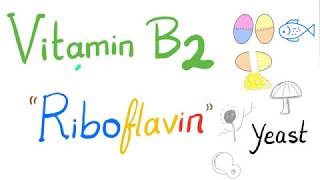
Riboflavin - Vitamin B2
Explore the essential role of Riboflavin (Vitamin B2) in metabolism, its sources, and its function as a cofactor for enzymes. Learn about this water-soluble vitamin's importance in nutrition and biochemistry.