Acceleration of Bioinformatics Workloads Through Hardware-Algorithm Co-Design and Processing-in-Memory Technologies
Explore hardware-algorithm co-design and processing-in-memory technologies for accelerating bioinformatics workloads, focusing on genomic sequence analysis and mapping techniques.
Coarse-grained Simulations of Nucleosomes
Explore coarse-grained simulations of nucleosomes to understand chromatin organization and gene regulation through interdisciplinary computational modeling techniques.

The Distinction Between Curative and Assistive Technology: The Hard Case of Bidirectional Brain Computer Interfaces
Explore the ethical implications of curative vs. assistive technologies in disability studies, focusing on brain-computer interfaces and their impact on well-being and identity.
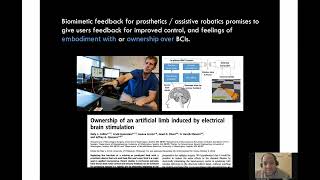
How Closed Is The Loop? The Ethics of Agency in Future of Adaptive Neurostimulation
Explore the ethical implications of closed-loop Deep Brain Stimulation systems on user agency and trust in neurotechnology. Gain insights into the future of adaptive neurostimulation and its moral outcomes.
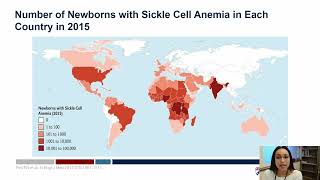
Equity in Laboratory Medicine
Explore the complex relationship between race, ethnicity, and genetics in medicine. Examine the implications of using racial categories in clinical care and laboratory practices.
Getting to the Heart of the Matter: Novel Analytical Technologies Provide a New Perspective on a Complex Organ
Explore novel analytical technologies providing new insights into the molecular landscape of the human heart, focusing on cell surface proteins and their role in cardiac physiology.
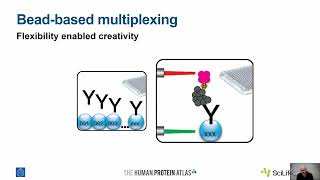
Multiplexed Mapping of the GPCR-RAMP Interactome
Explore G protein-coupled receptors and receptor activity-modifying proteins interactions through multiplexed mapping, uncovering potential therapeutic targets for various human diseases.
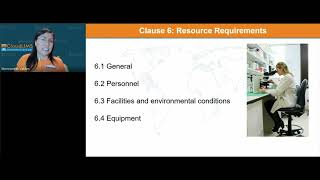
Navigating ISO 15189: A Blueprint for Quality in Medical Laboratories
Explore ISO 15189 implementation for medical labs, focusing on quality management systems, risk mitigation, and enhancing diagnostic accuracy to improve patient care and healthcare outcomes.

Informed Consent in Cancer Research: Fostering Patient-Centric Engagement
Explore the critical role of informed consent in cancer research, focusing on patient empowerment, ethical considerations, and strategies to enhance participant engagement and retention.
The Bioinformatics of Neoantigen Discovery and Vaccine Design
Explore neoantigen identification and vaccine design through bioinformatics. Learn about REAL-neo analytic framework and novel modules for tumor sequencing data analysis in immunotherapy research.
Why Networks Matter: Embracing Biological Complexity
Explore how genetic regulatory networks provide insights into health, disease, and potential therapies through examples from large-scale genomic datasets.
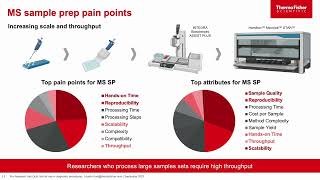
Adapting TMT and EasyPep Sample Preparation Reagents for High-Throughput, Automated Workflows
Explore high-throughput, automated workflows for TMT and EasyPep sample preparation in quantitative proteomics, focusing on efficiency and reproducibility for large-scale experiments.
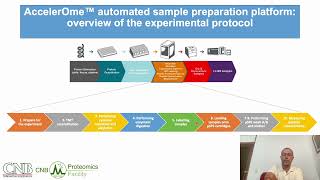
Assessing the Performance of the Automated Sample Preparation Platform AccelerOme
Explore the AccelerOme platform's performance in automating proteomics sample preparation, optimizing extraction, digestion, and labeling processes for improved experimental quality.
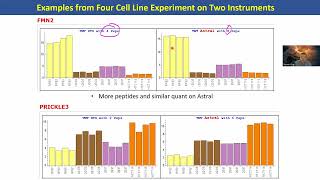
Targeted Pathway Proteomics Using TMT and Real-Time Analytics to Create GoDig Assays
Explore targeted pathway proteomics using TMT and real-time analytics for GoDig assays. Learn innovative techniques for hypothesis-driven research in systems biology.
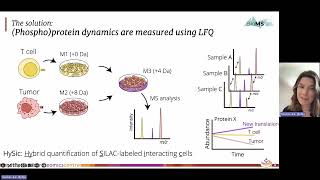
Mapping Communication Dynamics Between Physically Interacting Cells Using Hybrid Quantitative Proteomics
Explore cutting-edge proteomics techniques for mapping cell-to-cell communication in cancer immunology, focusing on immune checkpoints and their potential in immunotherapy.
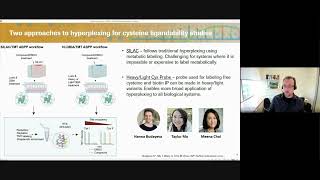
An Intelligent Data Acquisition Approach to Increase the Throughput of Multiplexed Proteome Analyses
Explore an intelligent data acquisition approach for increasing throughput in multiplexed proteome analyses, enhancing efficiency in quantitative proteomics research.
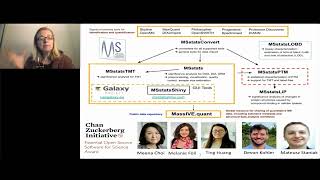
Multilevel Statistical Modeling for Proteomic Experiments With Complex Designs and Isobaric Labeling
Learn advanced statistical modeling techniques for complex proteomic experiments using isobaric labeling, focusing on multilevel designs and time-series data analysis.
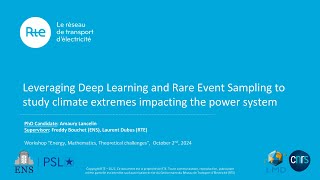
Leveraging Deep Learning and Rare Event Sampling to Study Climate Extremes Impacting the Power System
Explore deep learning and rare event sampling techniques for analyzing climate extremes' impact on power systems.

平成の災害に学ぶ災害への備え - 阪神・淡路大震災 - Ch.2
阪神・淡路大震災の教訓から、効果的な防災対策と災害への備えについて学び、将来の災害に対する理解を深める実践的な知識を習得する

平成の災害に学ぶ災害への備え - 西日本豪雨 - Ch.4
学ぶ西日本豪雨災害の教訓と防災への実践的アプローチについて。京都大学防災研究所の矢守教授が豪雨災害の分析と今後の備えについて解説。

オープンサイエンス時代の大学図書館 - これから求められる人材とは
オープンサイエンス時代における大学図書館の役割と、図書館員に求められる新しい能力や教育・研究パートナーとしての展望について探求する