The Challenge of Measurement, Reporting, and Verification for Ocean-Based Carbon Dioxide Removal Approaches
Explore measurement, reporting, and verification challenges for ocean-based carbon dioxide removal approaches, including carbon credit methodologies and high-integrity MRV systems.
Produced Water Explained - Getting it Right
Explore the complexities of using produced water in fracking, addressing key questions and offering actionable solutions for efficient water management in oil and gas operations.
Wax Mitigation and Remediation: A Microfluidic Approach
Explore microfluidic approaches to wax mitigation in oil transport. Learn about chemical treatments, wax appearance temperature measurement, and inhibitor screening for effective flow assurance strategies.
Applications of Cellular Assays for Understanding Drug Disposition of Protein Therapeutics
Explore cellular assays for predicting protein therapeutic disposition, focusing on target-independent mechanisms affecting pharmacokinetics and strategies to identify optimal drug candidates.
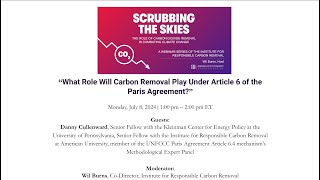
Carbon Removal's Role Under Article 6 of the Paris Agreement - Challenges and Opportunities
Explore carbon removal's role in Article 6 of the Paris Agreement, examining crediting rules, priorities, and challenges in implementing effective climate policy under international frameworks.
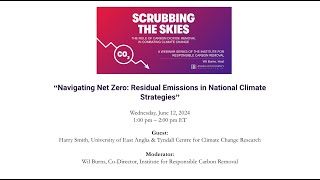
Navigating Net Zero: Residual Emissions in National Climate Strategies
Explore national strategies for residual emissions in net zero targets, focusing on difficult-to-decarbonize sectors and potential carbon dioxide removal methods.
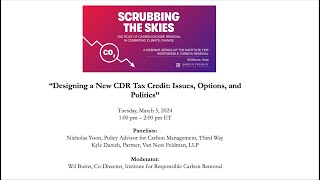
Designing a New CDR Tax Credit - Issues, Options, and Politics
Explore strategies for expanding CDR funding through tax credit design, advocacy, and public education. Gain insights on tech-neutral approaches to scale carbon dioxide removal efforts.
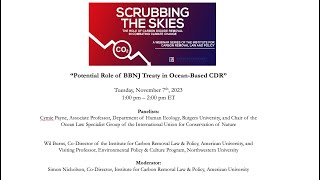
Potential Role of BBNJ Treaty in Ocean-Based Carbon Dioxide Removal
Explore the BBNJ treaty's potential impact on regulating ocean-based carbon dioxide removal approaches and its interaction with other ocean governance frameworks.
Carbon Dioxide Removal Law and Policy: From Planning to Project Deployment
Explore carbon dioxide removal deployment strategies with Dr. Joe Romm's keynote on law and policy implications from planning to project implementation.
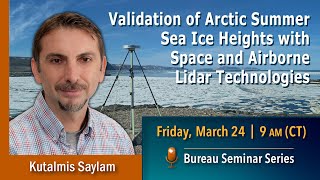
Validation of Arctic Summer Sea Ice Heights with Space and Airborne Lidar Technologies
Explore Arctic sea ice height validation using space and airborne lidar technologies. Gain insights into data acquisition, analysis methods, and preliminary findings from a NASA-UT Austin collaboration.

Global Geothermal Energy Development - A Stocktake on the Road to a Low-Carbon Society in 2050
Explore global geothermal energy development and its role in achieving a low-carbon society by 2050. Gain insights into market trends, technological advancements, and policy recommendations for sustainable energy transition.
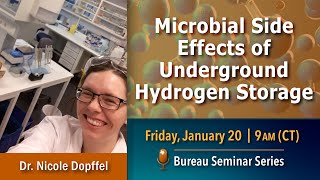
Microbial Side Effects of Underground Hydrogen Storage - Risks and Opportunities for Implementation
Explore microbial risks and opportunities in underground hydrogen storage, focusing on potential side effects and their impact on safe, cost-efficient energy storage solutions.
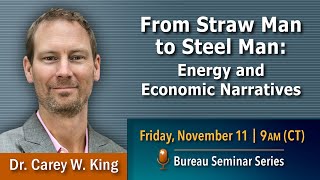
From Straw Man to Steel Man: Energy and Economic Narratives - Understanding Physical Constraints in Economic Outcomes
Explore energy's impact on socioeconomic outcomes, challenging common narratives and understanding physical constraints for informed decision-making in policy, business, and economics.

ME5180 - Quiz 03 Walkthrough and Calculation Review
Explore quiz solutions and review calculus concepts for ME5180, enhancing problem-solving skills and mathematical understanding.
Great Power Competition and Disruptive Technologies in the Modern Era
Explore how disruptive technologies shape great power competition and NATO's role in navigating evolving political landscapes in the era of AI, quantum computing, and synthetic biology.

It's All in the Cracks - Structural Concrete Engineering
Explore structural concrete's behavior and design principles, focusing on crack formation and its implications for engineering practices.

Public Health Approaches to Obesity - Part 2
Explore policies to tackle obesity with Professor Franco Sassi's insights on international health policy and economics.

Ground Engineering: Foresights, Insights and Backsights
Explore ground engineering principles, insights, and perspectives with Professor Jamie Standing's inaugural lecture at Imperial College London.
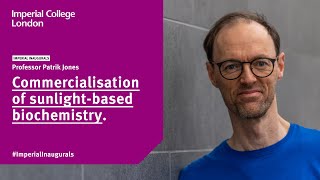
Commercialization of Sunlight-Based Biochemistry: From Cyanobacteria to Climate Solutions
Explore sunlight-based biochemistry's potential in addressing climate change, biodiversity crisis, and renewable energy through cyanobacteria and metabolic engineering.
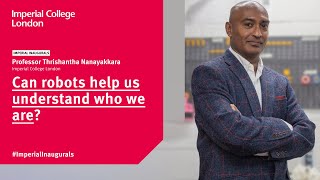
Can Robots Help Us Understand Who We Are? - Exploring Human Nature Through Robotics
Explore the intersection of robotics and human identity with Professor Nanayakkara's thought-provoking inaugural lecture on the potential of robots to illuminate our understanding of ourselves.
Advancing the Population's Health: Moving from Measuring Risk to Action - Sixth Geoffrey Rose Memorial Distinguished Guest Lecture
Explore epidemiological research's impact on public health action through case studies in environmental health, examining methods for translating evidence into policy.