
Why I Love Offensive Work - Personal Reflections on Hacking and Security
Explore the personal journey and ethical considerations of offensive security work through the lens of a seasoned researcher, delving into its challenges, rewards, and societal impact.

Density Dependence and Disease Dynamics - A Cross System Synthesis
Explore density dependence in disease dynamics across systems, examining spatial patterns, host behavior, and environmental factors influencing pathogen transmission and population health.

The Evolution of Aging, the Great Transition, and the Increasing Risk of Chronic Disease
Explore aging's evolution, the Great Transition's impact on human biology and culture, and the increasing risk of chronic diseases in modern societies.
Humanity's Deadliest Diseases - A Historical Perspective
Experts explore history's deadliest diseases, including HIV, influenza, smallpox, and the Black Death, examining their evolution, impact, and far-reaching consequences on individuals and societies.
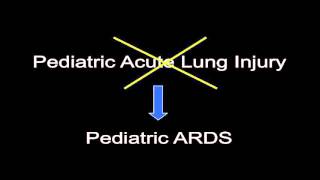
Pediatric Acute Lung Injury Consensus Conference
Comprehensive update on pediatric acute lung injury consensus, covering definition, epidemiology, pathophysiology, treatment strategies, and outcomes. Highlights international expert collaboration and evidence-based recommendations.

High-Order Ordinary Differential Equations with More Derivatives - From Physics
Explore derivation of higher-order differential equations from F=ma, focusing on spring-mass systems. Learn to chain simple systems for complex equations in physics.
Rwandan National Neonatal Protocol - Infectious Diseases
Comprehensive overview of neonatal infectious diseases, covering risk factors, diagnosis, and management. Equips healthcare providers with essential knowledge for treating serious bacterial infections in newborns.
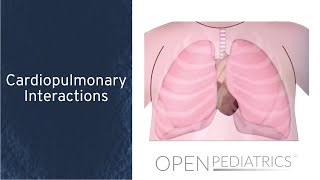
Cardiopulmonary Interactions
Comprehensive exploration of cardiopulmonary interactions during positive pressure ventilation, covering afterload, clinical examples, negative pressure ventilation, and key points for healthcare professionals treating critically ill children.
Implementation of Competencies for Nursing
Explore nursing competency implementation strategies to enhance patient care and professional development in pediatric healthcare settings.

Pediatric Sepsis - Optimizing Management to Improve Patient Outcomes
Explore recent developments in pediatric sepsis management, including guidelines, hemodynamic support, immunomodulatory therapies, and the Sepsis RESCU Strategy for improved patient outcomes.
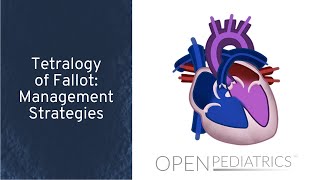
Tetralogy of Fallot: Management Strategies
Comprehensive overview of Tetralogy of Fallot anatomy, physiology, and management strategies for pediatric cardiologists, focusing on typical cases and their treatment approaches.
Introduction to Treatment of Pain with Opioid Medication
Comprehensive overview of pediatric pain management using opioids, covering terminology, properties, prescribing, and assessment. Ideal for healthcare professionals seeking evidence-based approaches to pediatric pain treatment.

Hemodynamic Support in Pediatric Septic Shock
Expert insights on hemodynamic support strategies for pediatric septic shock, focusing on evidence-based approaches and current best practices in intensive care settings.
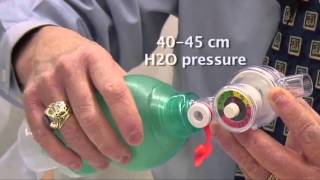
Non-Rebreather Mask and Manual Ventilation Bag
Comprehensive guide on non-rebreather masks and manual ventilation bags, covering features, proper usage, and different types of equipment for providing oxygen to patients in critical care settings.
Status Epilepticus
Comprehensive overview of status epilepticus, covering definition, epidemiology, pathophysiology, and pharmacotherapy. Ideal for healthcare professionals seeking in-depth knowledge on managing this critical condition.
Pulmonary Hypertensive Vascular Disease - Pathobiology & Treatment with Jeff Fineman
Explore pulmonary hypertension's complexities in pediatrics, including its definition, pathobiology, and unique challenges. Learn about latest research and bedside approaches from an expert in the field.
Physiology & Management of Heart Failure in the ICU with Dr. Schwartz
Comprehensive overview of acute and chronic heart failure management in ICU settings, focusing on physiological aspects and treatment strategies for critically ill patients.

Concepts of Recruitment and Their Application in the Newborn
Explore key concepts of alveolar recruitment, including opening/closing pressures, superimposed pressure, and time dependence, with applications to newborn lung aeration and diffuse alveolar diseases.

Tight Glycemic Control with Dr. Michael Agus
Dr. Michael Agus discusses tight glycemic control in pediatric critical care, exploring its biological rationale, historical use, and potential benefits for critically ill children after cardiac surgery.
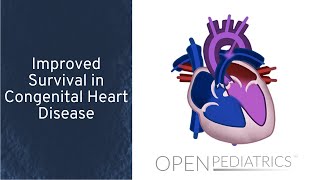
Improved Survival in Congenital Heart Disease
Explores advancements in congenital heart disease treatment, focusing on improved survival rates, neurodevelopmental outcomes, and long-term quality of life for patients. Discusses challenges in adult congenital heart disease management.

Anomalies of the Female Reproductive Tract
Comprehensive review of female reproductive tract anomalies, covering embryologic development, non-obstructive and obstructive conditions, their clinical implications, and management strategies.