Harnessing Thermogenic Fat to Uncouple Obesity from Comorbid Diseases
Explore groundbreaking research on thermogenic fat's potential to mitigate obesity-related diseases, presented by Paul Cohen from The Rockefeller University.
Mechanisms of Ribosome-Associated Quality Control - Units of Life 2022
Dive into ribosome-associated quality control mechanisms with Harvard Medical School's Sichen Shao, exploring cutting-edge research in cell biology and protein synthesis regulation.
Haplotype Assembly Using Short and Long Reads - 2022
Dive into haplotype assembly techniques using short and long reads. Explore advanced bioinformatics methods for genetic analysis with insights from Ramin Shirali's research at TU Delft.
COVID-19 Community Update: Latest Science and Public Health Implications - 12/2/2022
Gain insights into the latest COVID-19 surge, its implications for public health, and current scientific understanding from infectious disease expert Roby Bhattacharyya.
What's Holding Back AI in Drug Discovery?
Explore the challenges impeding AI's progress in drug discovery with insights from DeepCure's CEO Kfir Schreiber, shedding light on potential solutions and future directions.

Statistical Genetics: Importance of Using Globally Representative Data Sets and Inclusive Analytical Methods
Dive into statistical genetics with Hailiang Huang, exploring the crucial role of globally representative data sets and inclusive analytical methods in research.
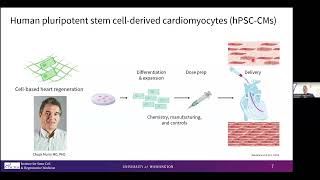
Mechanisms of Arrhythmia after Cardiac Stem Cell Therapy
Explore mechanisms of arrhythmia following cardiac stem cell therapy, focusing on potential risks and implications for patient care.
The Power of Arteriovenous Gradients in Cardiology - Applications in Heart Failure and Atrial Fibrillation
Uncover the potential of arteriovenous gradients in cardiology, exploring their fundamental principles and applications in heart failure and atrial fibrillation management.
Critical Appraisal of the Rationale for Chronic Total Occlusion Percutaneous Coronary Intervention
Uncover the controversies, pathophysiology, and treatment options for chronic total occlusion percutaneous coronary intervention in this comprehensive cardiology grand rounds session.
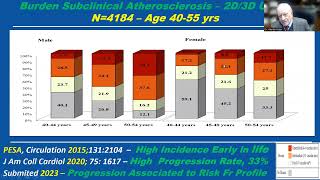
Role of Imagenomics in Enhancing Cardiovascular Health Throughout the Lifespan
Explore the evolution of cardiovascular care from disease treatment to health promotion through imagenomics, focusing on subclinical identification and its impact across different age groups.
Revolutionary Perspectives in Heart Failure - A 45-Year Journey
Explore the evolution of heart failure theories over 45 years, from cardiorenal to neurohormonal hypotheses, gaining insights into groundbreaking cardiac research.
Navigating the Limitations and Challenges of Wearable Technologies in Cardiac Arrhythmia Care
Explore the potential and challenges of wearable technologies in arrhythmia care. Gain insights into limitations, hazards, and future solutions for transforming cardiac monitoring and treatment.
Clinicopathologic Conference in Cardiovascular Disorders
Correlate clinical presentations with cardiovascular disorders' pathophysiology, identify pathologic features, and recognize autopsy's utility in improving clinical care.
TAVR - A Translational Science Perspective
Dive into transcatheter aortic valve replacement (TAVR) research, exploring bench methods, valve degeneration mechanisms, and biobanking's role in advancing cardiovascular science.
Multidisciplinary Approach to Complex Aortic Disease
Dive into the multidisciplinary approach to complex aortic disease, exploring MTAP, new treatment options, and cardiology's role in patient care.
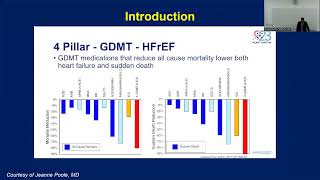
Global Differences in Heart Failure Etiology, Treatment, and Outcomes
Explore global variations in heart failure causes, treatments, and outcomes, focusing on prevalence data, regional differences, and risk assessment refinement using GCHF substudies.
Coronary Microvascular Disease - X Marks the Spot
Uncover the intricacies of coronary microvascular disease, exploring risk assessment tools, biomarkers, and actuarial approaches for improved cardiovascular prevention and treatment strategies.
Clinicopathologic Correlation in Cardiovascular Disorders - Grand Rounds
Explore cardiovascular disorders through clinical presentations, pathophysiology, and histological features. Gain insights into autopsy's role in improving clinical care and quality.
Artificial Intelligence in Cardiology: Where We Are and Where We Are Going
Explore AI's impact on cardiology, from current applications to future potential. Gain skills to evaluate AI research and understand key terminology.
Using Artificial Intelligence to Predict Shock-Refractory Ventricular Fibrillation
Explore how AI-powered ECG analysis during CPR can predict shock-refractory ventricular fibrillation, enhancing cardiac arrest resuscitation strategies and patient outcomes.
AI and Neuroengineering - Virtual Webinar Series
Explore the intersection of AI and neuroengineering in this virtual webinar featuring insights from speaker Xiaoxiao Sun.