
Why Study Quantum Computing? - Lesson 100 of Quantum Computer Programming in 100 Easy Lessons
Explore the significance and potential of quantum computing in this thought-provoking conclusion to a comprehensive series on quantum programming.
rhAmpSeq CRISPR Analysis Tool Tutorial
Learn to analyze CRISPR experiments using IDT's rhAmpSeq™ tool. Explore features for efficient data interpretation and result visualization in genome editing projects.
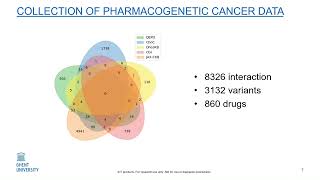
Pan-Cancer Pharmacogenetics: Targeted Sequencing Panels vs Exome Sequencing
Explore advantages of xGen Exome Panel for pan-cancer pharmacogenetics studies, comparing it to targeted panel solutions and examining variant-drug interactions.
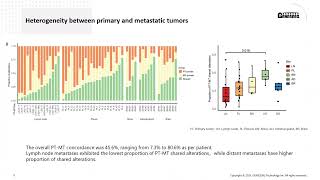
Whole Exome Sequencing Reveals Timing and Origins of Metastasis in Lung Cancer
Explore whole exome sequencing's role in revealing metastasis timing and origins in lung cancer using IDT's xGen Exome Panel.
M2GEN's ORIEN Avatar Program: Accelerating Oncology Research with Custom xGen Exome Research Panel
Accelerate oncology research using M2GEN's ORIEN Avatar program and IDT's xGen Exome Panel. Learn about sequencing metrics and use cases.

ctDNA for Minimal Disease Research by Hybridization Capture in Resected Cancer Samples
Explore ctDNA hybridization capture for minimal residual disease research in cancer, overcoming challenges and discovering new biomarkers.
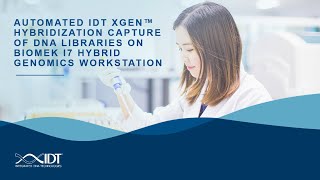
Automated IDT xGen Hybridization Capture of DNA Libraries on Biomek i7 Hybrid Genomics Workstation
Automate IDT xGen™ hybridization capture for uniform coverage and robust performance. Learn to generate reproducible targeted NGS libraries using Biomek i7 automation for efficiency and consistency.
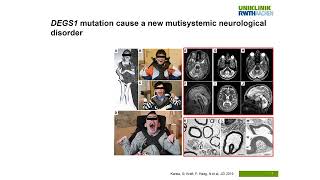
The Power of Whole Exome Sequencing to Unravel the Cause of Rare Disease
Explore whole exome sequencing's potential in rare disease research, focusing on case studies and advanced techniques for uncovering genetic causes.
The History and Future of Whole Exome Sequencing at the McDonnell Genome Institute
Explore the evolution and impact of whole exome sequencing at MGI, including applications, read depth, CNV detection, and gene fusion identification.
The Future of Personalized Genomics: Advancing Hematology Research with NGS
Explore next-generation sequencing's role in advancing hematology research and personalized genomics for improved patient outcomes.
Comprehensive Methylation Profiling from Low-Input Samples Using the xGen Methyl-Sequencing Workflow
Explore efficient and accurate methylation profiling tools for low-input samples with IDT's xGen™ Methyl-Sequencing Workflow.
How to Optimize CRISPR Genome Editing in Primary T Cells
Optimize CRISPR genome editing in primary T cells with improved methods for cell culture, delivery, and knock-in rates using HDR donors and enhancing reagents.
Custom CRISPR Solutions for High-Throughput Workflows in Drug Discovery
Discover high-throughput CRISPR genome editing techniques for research and drug discovery, focusing on arrayed synthetic guide RNA libraries and custom solutions.
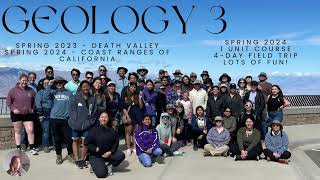
Introduction to Geology and Scientific Method
Explore the fundamentals of geology and scientific inquiry, gaining insights into Earth's processes and research methodologies.
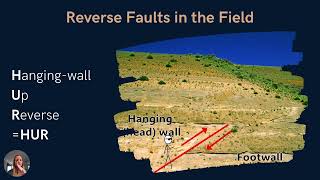
Earth's Geosphere - Crustal Deformation: Fault Types and Identification
Explore fault types and their identification in Earth's crust, from dip slip to strike slip, with real-world examples and field observations.
Earth's Geosphere - Crustal Deformation: Folds
Explore crustal deformation and folds, learning about stress types, geologic maps, and various fold structures in Earth's crust.
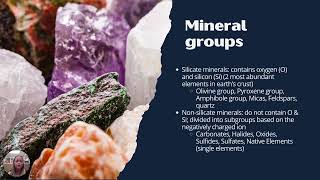
Earth Materials: Introduction to Minerals
Explore the fundamentals of minerals, from atomic structure to formation processes and major mineral groups.
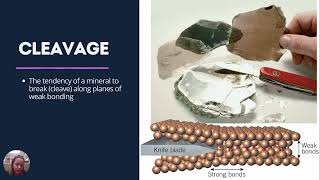
Earth Materials: Physical Properties of Minerals
Explore physical properties of minerals, including color, luster, crystal form, hardness, and more, in this comprehensive introduction to Earth materials.
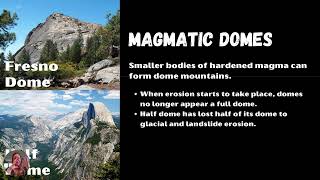
Earth Geosphere - Plutons and Igneous Rock Bodies
Explore plutons and igneous rock formations, understanding their structures and formation processes in Earth's geosphere.
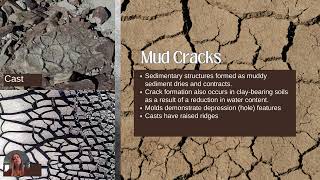
Earth Materials: Sedimentary Structures and Rock Identification
Explore sedimentary structures and learn techniques for identifying sedimentary rocks in this concise introductory geology lecture.
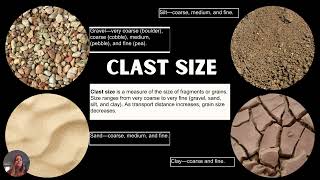
Earth Materials: Making a Sedimentary Rock
Explore sedimentary rock formation through weathering, transportation, and deposition processes. Learn about soil classification and depositional environments.