The Octopus Brain: Understanding Intelligence Through Cephalopod Neuroscience
Explore the fascinating intelligence of octopuses and how their unique brain evolution offers insights into the fundamental principles of cognition and neural processing across species.
Respect Your Biological Clock - Understanding Circadian Rhythms and Health
Discover how circadian rhythms impact your health and wellbeing, exploring the science behind biological clocks and practical ways to maintain healthy daily rhythms for optimal physical and mental functioning.
Building a Bionic Eye: Engineering an Artificial Retina to Restore Vision
Discover groundbreaking research in artificial retina development and vision restoration technology, exploring how Stanford's pioneering team is engineering electronic implants to help restore sight to the blind.

Parenting Lessons from Frogs and Spiders - Understanding Family Bonds Across Species
Discover fascinating insights into parental bonding across species as Stanford biologist Lauren O'Connell reveals surprising similarities in how frogs, spiders, and fish form family bonds and care for offspring.
Is Addiction a Disease? Understanding the Medical and Scientific Perspective
Explore the scientific evidence and expert insights on addiction as a disease through Stanford psychiatrist Keith Humphreys' analysis of neuroscience, policy implications, and current research findings.
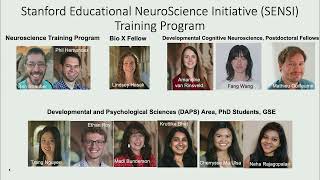
Connecting Education and Neuroscience in Understanding Functional Human Brain Development
Explore groundbreaking research connecting neuroscience and education, revealing key insights into functional brain development and learning processes.
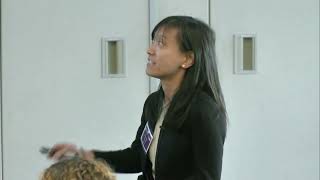
Dynamic Imaging of Cerebral Physiology to Probe Brain Function and Vascular Health
Explore advanced neuroimaging techniques for understanding brain function and blood flow dynamics, featuring cutting-edge research in cerebral physiology and vascular health assessment.
Assembling the Brain - Understanding Neural Circuit Development Through Lab-Grown Models
Discover groundbreaking research on brain organoids and assembloids, exploring how these lab-grown neural models help understand psychiatric disorders and early brain development for potential new treatments.
Understanding Brain Fog: From COVID-19 to Cognitive Dysfunction
Delve into the neuroscience of COVID-related brain fog, exploring its similarities to chemo-fog, underlying mechanisms, and potential treatments through expert insights from Stanford neuro-oncologist Michelle Monje.
Brain Stimulation and Psychiatry 3.0 - Advances in TMS Therapy for Depression
Discover how Stanford's groundbreaking SAINT therapy revolutionizes depression treatment through targeted magnetic brain stimulation, achieving 80% remission rates in just one week and transforming psychiatric care approaches.
How Psychedelics Alter Our Perception of Reality - Part 2
Explore the fascinating mechanisms behind psychedelics' ability to alter perception and consciousness, with insights from Stanford researcher Boris Heifets on their impact on brain function and reality.
How We Remember and Why We Forget - The Neuroscience of Memory
Discover the neuroscience behind memory formation, forgetting patterns, and practical techniques to enhance cognitive retention through expert insights from Stanford neuroscientist Anthony Wagner.
Neuroscience and AI - What Artificial Intelligence Teaches Us About the Brain and Vice Versa
Explore the fascinating intersection of neuroscience and AI with Stanford expert Surya Ganguli, examining how modern AI systems inform our understanding of biological intelligence and brain function.

1.2 Tb/s Packet Processing of Radio Telescope Data on GPU
Discover how to process massive radio telescope data streams at 1.2 Tb/s using NVIDIA Grace Hopper GPUs, optimizing packet handling and reducing energy consumption through innovative system architecture.
Generative AI Tools - Understanding Risks and Limitations
Explore the critical challenges and ethical considerations of generative AI, from inherent biases and environmental impacts to responsible implementation strategies and human-centric approaches.
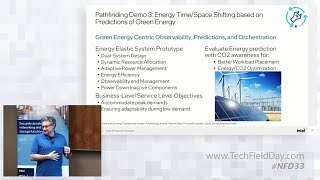
Elastic Energy Distributed Edge Infrastructure with Intel Ethernet and IPU
Discover how to implement federated energy management systems for optimized carbon footprint and costs through adaptive configurations, observability controls, and energy distribution strategies.
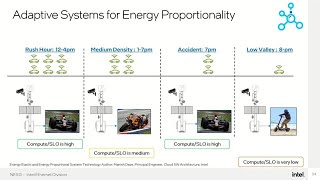
Improving Sustainability at the Edge with Intel Energy Elastic Systems
Discover how to optimize energy consumption and reduce carbon footprint at the edge through Intel's innovative Ethernet and IPU solutions, focusing on workload performance indicators and energy elasticity.

Anatomy of the Abdominal Viscera - Large Intestine
Explore the structure and function of the large intestine, focusing on its specialized role in water reabsorption within the digestive system and its anatomical features.
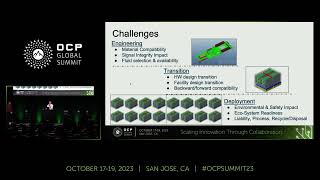
Immersion Cooling for Data Center Hardware - Progress, Opportunities and Challenges
Explore the latest developments in data center immersion cooling technology, examining single and two-phase solutions, engineering trade-offs, and future implementation challenges at scale.
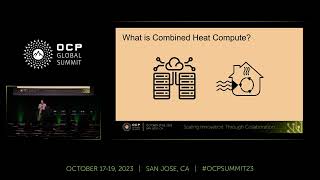
Using Open Compute Project Innovations to Heat City Swimming Pools - A Sustainable Solution
Explore how liquid-cooled data centers based on Open Compute Project specifications can efficiently heat municipal swimming pools while reducing gas dependency and environmental impact.
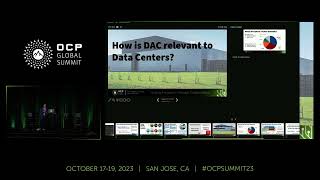
Carbon Dioxide Removal Technologies in Data Centers - An Open Standards Approach
Explore how data centers could revolutionize Carbon Dioxide Removal through Direct Air Capture integration, focusing on cost reduction strategies and open standards potential.