
Brain-Computer Interfaces - One Possible Future for How We Play
Explore the potential of Brain-Computer Interfaces in gaming, from physiological signal acquisition to adaptive gameplay and interface replacements, with insights on future applications and challenges.
Troy's Story - Removing the Stigma about Discussing Suicide
Removing stigma around suicide and mental health through personal story, advocating for social change in areas like concussions, CTE, opioid addiction, and privacy laws.

The Unusual Earth Orbit Circling Above Our Ancient Past
Exploring a unique Earth orbit connecting ancient sites, this talk delves into scientific mysteries surrounding our planet's past and the potential links between prehistoric structures and cosmic events.
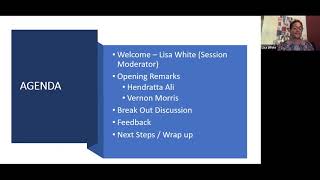
Anti-Racism Efforts in the Geosciences
Explores anti-racism efforts in geosciences, analyzing calls for action and fostering discussions to promote equity and inclusivity in the field. Provides strategies for implementing change.
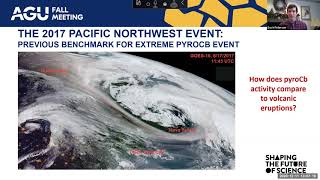
Wildfire-Driven Thunderstorms and Their Role in Climate
Explore pyrocumulonimbus clouds from wildfires, their impact on climate, and global comparisons. Learn about smoke behavior, atmospheric effects, and implications for weather patterns.
Listening to a Quieter Ocean in the Pandemic
Scientists discuss how reduced maritime activity during the pandemic affects marine life, using underwater listening devices to study the impact of a quieter ocean on marine mammals and their communication.
Unequal Impacts of Heat and Climate Change
Experts discuss unequal impacts of urban heat islands and climate change on vulnerable communities, exploring health consequences, social vulnerability, and potential mitigation strategies.
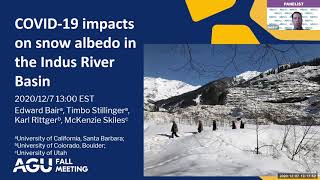
Impacts of COVID-19 on People and the Environment
Remote sensing data reveals covid-19's impacts on deforestation, pollution, inequality, urban light, and snow albedo. Scientists discuss emerging trends and nuanced effects on people and the environment.
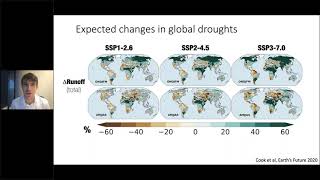
Frontiers in Hydroclimate Change
Explore frontiers in hydroclimate change with insights on droughts, floods, and their impacts. Learn about advanced modeling techniques and interdisciplinary approaches in hydrology.

Frontiers in Ecohydrology
Explore frontiers in ecohydrology with Dr. Simone Fatichi, covering topics like equidrology, CO2 effects, drought paradox, and land-atmospheric interactions. Gain insights into cutting-edge research and future directions in this field.

Reconstructing Continental Paleoclimate - Making Sense of Messy Records
Explore techniques for reconstructing ancient continental climates using lake sediment records, proxy data, and modern nano-technology, addressing challenges in interpreting complex paleoclimate evidence.

Climate-Induced Human Migration
Explore climate-induced human migration, its impacts on genetic diversity, and connections to sea level rise and food security with expert Axel Timmerman.
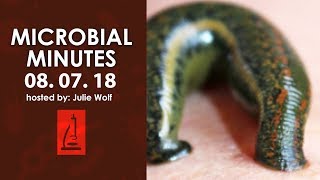
Foodborne Illness Outbreaks, Viral Defense Against CRISPR, and Ebola Updates - Microbial Minutes
Explore recent microbiology research on antibiotic resistance, foodborne illnesses, Ebola updates, and viral defense mechanisms against CRISPR, offering insights into current challenges and advancements in the field.
Myth or Fact - The 5-Second Rule, Sterile Urine, Contaminated Toothbrushes in the Bathroom
Debunking common microbial myths with scientific evidence. Explores misconceptions about hygiene, food safety, and disease transmission, providing factual insights into everyday microbiology topics.
Disease Detective
Entrevista con Anne Schuchat sobre amenazas de enfermedades emergentes, éxitos en salud pública y consejos para científicos en inicio de carrera. Destaca colaboración interdisciplinaria para mejorar la salud global.
TWiV at Outbreak - Epidemics in a Connected World
Explore the Smithsonian's "Outbreak" exhibit, discussing epidemics, One Health, and global connectivity with experts. Gain insights on curating engaging science exhibitions for public education.
Vaccines Work, Whether or Not You Believe in Them
Experts discuss vaccine efficacy, debunk myths, and address public concerns in this informative talk on immunization science, policy, and societal impact.
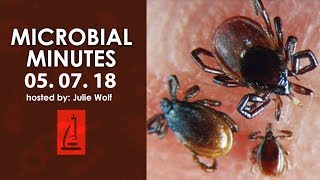
Sequencing Influenza, CRISPR Diagnostics, and an Increase in Tick and Mosquito-Born Disease
Explore recent microbiology research on vector-borne diseases, CRISPR diagnostics, influenza sequencing, and gut microbiome. Learn about cutting-edge developments and their potential impact on public health and disease detection.
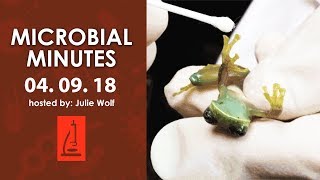
Viral Evolution, Frog-Killing Fungi, and Antibiotic Resistance Reports - Microbial Minutes
Explore recent microbiology research on viral evolution, antibiotic resistance, and amphibian diseases. Learn about new antibiotics and global health trends in this informative discussion of current scientific literature.
How Drugs Affect Microbiome, AI and Virus Hunting, and Which Seat on the Plane Makes You Sick
Explore microbiome impacts of non-antibiotics, AI-driven virus discovery, insights into early life, disease spread on planes, and increased science funding in this comprehensive microbiology update.
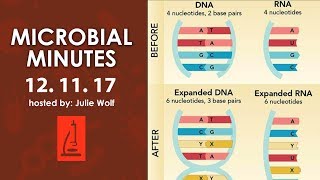
Bacteriophage Invasion, MCR-1 Is Older Than Thought, and New Nucleotides - Microbial Minutes
Explore recent microbiology discoveries: bacteriophage transcytosis, MCR-1 gene spread, expanded genetic alphabet, SARS-related coronaviruses in bats, and microbes thriving in Antarctic soil using atmospheric gases.