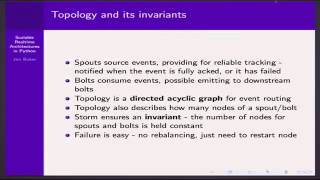
Scalable Realtime Architectures in Python
Explore scalable realtime architectures using Python with Storm, Kafka, and ZooKeeper. Learn about partitioning, retries, and idempotence for building robust, fault-tolerant systems that process continuous data streams.
Nameko for Microservices
Explore microservices architecture and Nameko framework for building scalable, independently deployable services with clean code and well-defined boundaries. Learn design principles and practical implementation.
Preparing Apps for Dynamic Scaling
Learn strategies for preparing applications to dynamically scale, including infrastructure planning, compatibility considerations, and best practices for vertical scaling in cloud environments.

The Butler and the Snake - Continuous Integration for Python
Explore effective Continuous Integration for Python projects, drawing insights from a large-scale open-source implementation. Learn key principles, tools, and best practices for automated testing and integration.
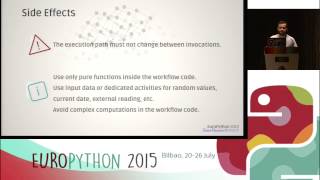
Distributed Workflows with Flowy
Explore distributed, asynchronous workflows with Flowy, a library for orchestrating complex processes across multiple machines. Learn execution models, topologies, and scaling techniques.
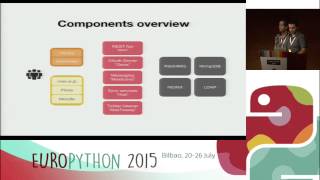
MAX - Realtime Messaging and Activity Stream Engine
Explore MAX, an open-source real-time messaging API built on Pyramid, powering a social intranet for 30,000+ users at BarcelonaTech University with high scalability and performance.
Efficient Django
Explore Django scalability, performance optimization, and efficient coding techniques. Learn to identify bottlenecks, improve database performance, and implement caching strategies for faster web applications.
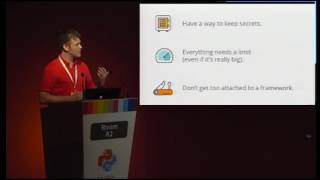
Building a Reasonably Popular Web Application for the First Time
Lessons learned scaling a SaaS web app: logging, monitoring, profiling, error handling, secrets management, scalability, database planning, feature testing, and code quality considerations.
Ingesting 35 Million Hotel Images with Python in the Cloud
Learn to build a scalable image processing pipeline using Python and AWS to handle millions of hotel images, covering data ingestion, quality control, and optimization.

Python Microservices
Explore Python microservices: core concepts, benefits, implementation options, and challenges. Learn to build scalable, maintainable web applications with practical code examples.
Asynchronous I/O and the Real-Time Web
Explore asynchronous web servers, concurrency for performance, real-time communication with web sockets, and challenges in async web development. Gain insights into modern web application techniques.
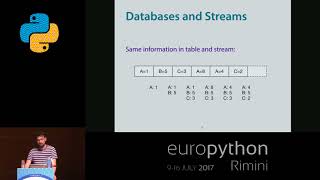
Streaming - Why Should I Care?
Discover how stream-oriented processing can revolutionize your approach to application development, offering natural service boundaries, flexible data schemas, and improved scalability.
Django Structure for Scale and Longevity
Explore Django project structuring for scalability and longevity, covering service layers, DRF best practices, and effective testing strategies. Gain insights from real-world experiences to enhance productivity and code quality.
Deploy Python to the Cloud Faster with Azure Serverless
Learn to deploy and scale Python workloads using Azure Functions, with seamless integration in Visual Studio Code for local development, debugging, and cloud deployment. Explore serverless computing benefits and management tools.
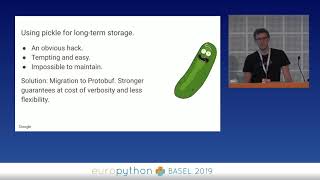
Evolving a Helper Script into a 180,000-Lines-of-Python-Code Project
Explore the evolution of a Python project from a simple script to a complex incident response framework, covering design decisions, challenges, and best practices in software development.
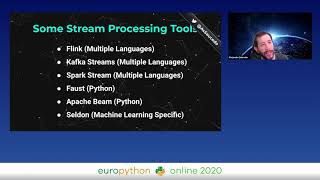
Real Time Stream Processing for Machine Learning at Massive Scale
Practical insights on building scalable data streaming ML pipelines for real-time processing using Python, Kafka, SpaCy, and Seldon. Covers key concepts and best practices through a Reddit comment moderation case study.
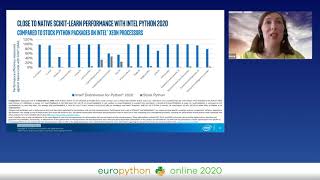
The Painless Route in Python to Fast and Scalable Machine Learning
Learn to optimize Python for high-performance machine learning, from Intel-enhanced packages to scalable data processing and analytics pipelines that rival C++/MPI performance on large datasets and clusters.

Writing and Scaling Collaborative Data Pipelines with Kedro
Discover how Kedro framework facilitates collaboration between data scientists and engineers, enabling scalable and sustainable data pipelines while balancing flexibility and stability.
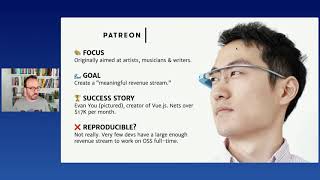
Towards a Sustainable Solution to Open Source Sustainability
Exploring strategies for open source sustainability, from donation-based models to helping companies understand the business value of contributing to open source projects.
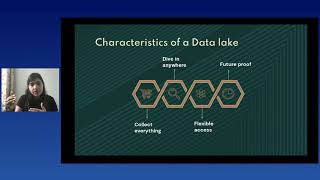
Data Lake - Design for Schema Evolution
Explore data lake design strategies for managing schema evolution, focusing on storage, scalability, and AVRO format implementation. Learn best practices for maintaining data integrity and compatibility.
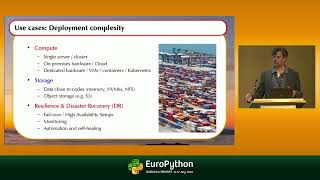
Choosing the Right Database for Your Next Project - Looking at Options Beyond PostgreSQL and MySQL
Explore diverse database options beyond PostgreSQL and MySQL, covering relational, data warehouse, analytics, and machine learning solutions to find the best fit for your Python project.