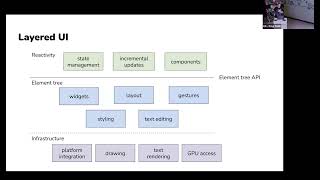
Xilem Vector Graphics: Advanced Rust UI Technology Prototype - Bay Area Rust May 2023
Explore Xilem UI technology: reactive architecture, SVG DOM rendering, GPU rendering with Vello, and advanced Rust features for declarative vector graphics. Open-source collaboration welcome.
Writing Performant Concurrent Data Structures in Rust - March 2023
Explore performant concurrent data structures in Rust using a multi-producer single-consumer queue, covering safe abstractions, undefined behavior detection, and benchmarking pitfalls.
Exploring the New Trait Solver in Rustc - Walkthrough of -Ztrait-solver=next
Explore Rust's new trait solver: its structure, functionality, and areas for improvement. Gain insights into the inner workings of rustc's advanced features.

Profiling Code in Rust - Techniques for Time and Memory Optimization
Explore code profiling in Rust: techniques for measuring time and memory usage, optimizing performance, and ensuring correctness. Learn to use tools, interpret flame graphs, and apply optimization strategies.
Supercharging Zero-Copy Deserialization in Rust
Explore zero-copy deserialization techniques for efficient data loading in internationalization. Learn about ICU4X's approach and crates like yoke, zerovec, zerofrom, and databake to optimize performance.
Next Generation Internationalization with Rust Using ICU4X - December 2022
Explore ICU4X: A lightweight, portable internationalization solution for low-resource devices. Learn about localized formatting, collation, and text segmentation in Rust for global accessibility.
Method Selection in Rust: Understanding Compiler Errors - Session 1
Explore method selection in Rust: understand its purpose, challenges, and inner workings. Dive deep into the process behind `.call()` operations and learn about special rules and considerations.
OS Development - One Year with Rust
Reflections on developing an operating system from scratch using Rust, exploring challenges, benefits, and lessons learned in modern OS design and implementation.
Embedded Rust on ESP32
Explore Rust for ESP32 embedded systems: STD and Bare Metal development, simulator usage, and open hardware board design. Learn about Espressif's support and community-driven initiatives.
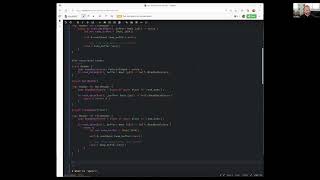
Exploring Dynamic Async Functions in Rust Traits - RustcContributor Session
Explore async functions in Rust trait objects with dyn* feature. Learn implementation challenges, current capabilities, and future plans for enabling async fn in traits.
Automated Full System Testing on Hardware with OpenQA
Learn how to automate end-to-end testing on hardware for embedded Linux projects using OpenQA and custom tools, saving time and resources in large-scale development environments.
A Guide to Securing GitHub Based on Lessons Learned
Discover strategies for securing GitHub organizations, managing repositories, and implementing best practices for code review, dependency management, and vulnerability reporting.
PostgreSQL Versus MySQL - Choosing the Right Database for Your Project
Explore key differences between PostgreSQL and MySQL, including features, administration, and performance, to make an informed decision for your database needs.
Open Source as a Product - Strategies for Building and Scaling Successful Projects
Explore strategies for treating open source as a product, covering market needs, roadmaps, community building, and sustainable business models. Learn to measure success and leverage data for informed decisions.
Improving the Security of a Large Open Source Project One Step at a Time
Explore Node.js security initiatives, from new features to vulnerability management. Learn to apply these insights to your development process and contribute to the Node.js community's security efforts.
Open Source for Energy Access: How Open Innovations Promote Interoperability and Efficiency
Explore how open-source innovations drive efficiency and interoperability in the energy access sector, addressing funding challenges and promoting sustainable solutions for global energy accessibility.
Insights from the Cloud Native Security Slam
Explore lessons from CNCF's Security Slam, focusing on best practices for securing the software supply chain and addressing remaining gaps in cloud native security.
OpenJS and Security Updates with Community Panel
Panel discussion on OpenJS Foundation initiatives and security updates, featuring insights from industry experts on current trends and best practices in JavaScript development.
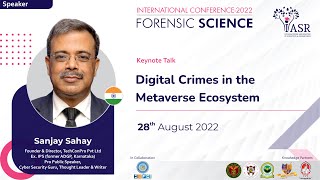
Digital Crimes in the Metaverse Ecosystem
Explore digital crimes in the Metaverse, including cybersecurity risks, harassment issues, and the challenges of policing virtual spaces. Learn about potential societal impacts and future forensic capabilities.
Turning GraalVM from Research to Product
Explore GraalVM's journey from research to product, discussing lessons learned, community engagement, and evolving technical perspectives in this runtime system for Java and polyglot applications.

Shining Light on the Shadow DOM - Styling Web Components
Explore styling Web Components, focusing on Shadow DOM, encapsulation, and CSS techniques. Learn to build consistent design libraries and navigate browser inconsistencies.