Designing Software Within Constraints - Building to a Specification
Explore software design within constraints, balancing language-agnostic specs with Go's principles. Learn from MongoDB's Go driver example, covering design, performance, and usage patterns.
Becoming a Go Contributor
Discover how to become a Go contributor through small, consistent efforts. Learn practical steps to engage with the Go community and make meaningful contributions to the language.
Adventures in Cgo Performance
Explore Cgo performance optimization techniques, interoperability challenges, and scaling solutions for high-performance Go applications, drawing from real-world experiences with Wallaroo.
How Uber Goes
Discover Uber's journey with Go: from early adoption challenges to innovative solutions for maintaining a large, efficient codebase for microservices.
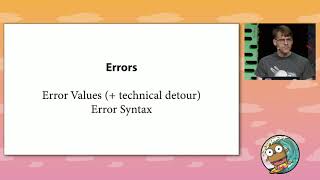
On the Path to Go 2
Explore Go 2's development journey, including error handling improvements, generics, and modules, with insights on the language's evolution and future direction.
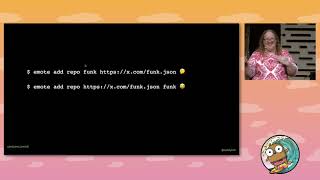
Design Command-Line Tools People Love
Design command-line tools that developers love: structure for reusability, leverage Go libraries, improve testability, and create user-friendly interfaces with natural commands and helpful outputs.

Contributing to the OS Package - How Deep Do You Go?
Explore the journey of contributing to Golang's os package, from identifying a bug to merging a fix, while learning about platform independence and Unix system calls.
Detecting Incompatible API Changes
Explore API compatibility in Go, learn to detect breaking changes, and discover techniques for future-proofing your code against API breakage.
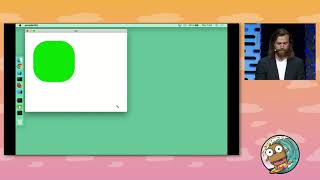
Portable, Immediate Mode GUI Programs for Mobile and Desktop in 100% Go
Explore Gio, a Go library for creating cross-platform GUI programs. Learn about its design, simplicity, portability, and performance advantages for Android, iOS, macOS, Linux, and Windows development.

How I Write HTTP Web Services After Eight Years
Practical patterns for building HTTP web services in Go, based on 8 years of experience. Covers handlers, middleware, data handling, testing, and more.
Optimizing Go Code Without a Blindfold
Explore techniques and tools for effective Go code optimization, covering benchmarks, performance analysis, and practical tips for reliable improvements.

Two Go Programs, Three Different Profiling Techniques
Explore three profiling techniques for Go programs to diagnose and improve performance, including CPU and memory profiling, execution tracing, and understanding Amdahl's Law.

Dynamically Instrumenting Go Programs
Explore techniques for dynamically gathering information about running Go programs to understand their behavior with minimal performance impact.
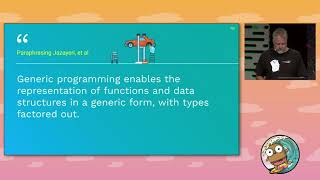
Generics in Go
Explore advantages of generics in Go, including generic functions and data structures. Learn about design guidelines, contracts, and practical implementations like binary trees.
The Athens Project
Explore the Athens project, a federated module proxy system for Go, addressing dependency issues and improving code management for the Gopher community.
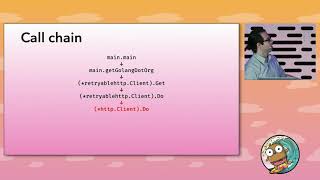
Tracking Inter-process Dependencies
Explore static analysis in Go to detect inter-process dependencies in service-oriented architectures, covering libraries, obstacles, and solutions for effective system tracking.
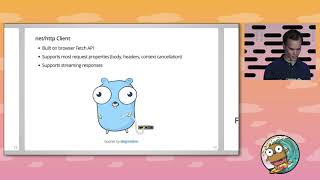
Get Going with WebAssembly
Explore WebAssembly with Go: learn fundamentals, setup, demos, JS interface, testing, compression, TinyGo, and future possibilities in this comprehensive introduction.
Go Linters - Myths and Best Practices
Demystifying Go linters: Learn their power, benefits, and implementation. Discover tips, tricks, and best practices for integrating linters into your Go projects effectively.

Handling Go Errors
Explore programmable errors in Go, designing an architecture for mastering system failures with legible error handling and advanced error management techniques.

Go is Boring - And That's Fantastic
Explore how Go's simplicity and stability are its strengths, enabling developers to build maintainable, adaptable software that meets user needs effectively.
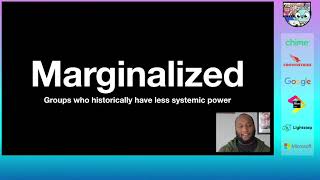
A Rainbow of Gophers - Building A More Diverse Community
Explore strategies for fostering diversity in the Go community and its impact on software development, emphasizing individual actions to create a more inclusive environment.