Best Practices for Branching Database Code in Git
Learn best practices for branching database code in Git, covering strategies for different team sizes and release requirements. Explore popular branching models and their strengths, with special focus on database-specific considerations.
Neither Here Nor There - Hybrid AO SQL Architecture On-Prem - Azure
Explore hybrid Always On SQL architecture, transitioning from on-premises to Azure Cloud. Learn configuration, troubleshooting, and best practices for global architecture in this eToro case study.

Six Ways to Improve SQL Server Application Security
Explore six mindsets for enhancing SQL Server application security, covering encryption, key management, data governance, and more. Gain actionable strategies to improve database development security.
Azure Machine Learning 101
Explore Azure ML's no-code approach to machine learning, from data preparation to model deployment, suitable for both beginners and experienced data scientists.

Emergency! Are You Ready for Disaster to Strike?
Prepare for data center disasters and ransomware attacks through regular practice of recovery processes. Learn strategies to ensure business continuity in critical situations.

No-Code Custom Visuals! Can You Say Charticulator? - I Knew You Could
Explore Charticulator, an open-source tool for creating stunning Power BI custom visuals without coding. Learn to enhance your data visualization capabilities and unlock new possibilities in data presentation.
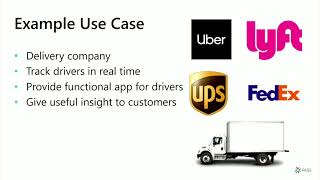
PowerApps and AI - A Flow of Location Events
Explore PowerApps and AI integration for location tracking, using Bing maps, Azure SQL, and Cognitive Services. Learn to create mobile apps with real-time alerts and location-aware web searches.
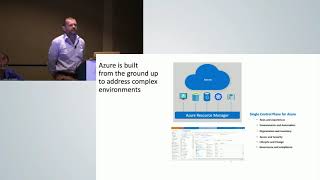
Azure Arc - Bring Azure Data Services to On-Premises, Multi-Cloud and Edge
Learn to deploy Azure data services on-premises, multi-cloud, and edge environments using Azure Arc. Gain cloud benefits, automation, elastic scaling, and unified management across hybrid infrastructures.
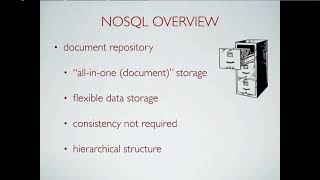
SQL and MongoDB - When Two Worlds Collide
Explore hybrid SQL-NoSQL solutions, focusing on integrating MongoDB with SQL Server. Learn scenarios, implementation techniques, and performance considerations for leveraging strengths of both database types.
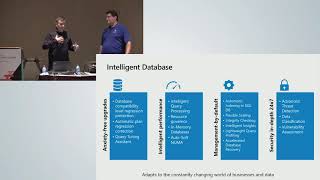
SQL Server and Azure SQL Database Intelligent Query Performance
Explore groundbreaking enhancements in Intelligent Query Processing for SQL Server and Azure SQL Database, improving critical parallel workloads at scale while adapting to evolving data landscapes.
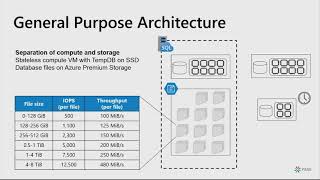
SQL Managed Instance - A Fully Managed SQL Server in the Cloud
Explore Azure SQL Managed Instance's features, benefits, and migration best practices. Learn about architecture, pricing, and disaster recovery for efficient cloud-based SQL Server workloads.
What's New in Security for Azure SQL - MI
Explore cutting-edge Azure SQL security innovations, including network security, authentication, data encryption, and management. Gain insights into new customer scenarios and opportunities unlocked by these technologies.

Journey to the Cloud - Planning the First Steps
Comprehensive guide to initiating cloud migration, covering key considerations, stakeholder involvement, region selection, timelines, and costs. Equips you with essential knowledge for a successful transition.
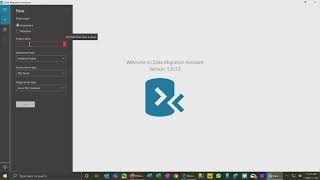
Deep Dive with Data Migration Tools and Azure Database Migration Service - DMS
Explore SQL Server migration to Azure with near-zero downtime using Microsoft's tools. Learn to assess, plan, and execute migrations efficiently across your data estate.
Effective Requirements Gathering for Successful Project Outcomes
Learn best practices for gathering project requirements, including scoping, stakeholder communication, documentation, and avoiding common pitfalls. Improve project outcomes and stakeholder satisfaction.
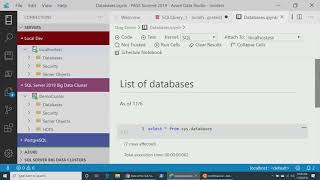
What's New in SQL Server Tools
Explore upcoming features in Azure Data Studio and SQL Server tools, including SQL Notebooks. Learn about recent improvements and get a first look at highly requested functionalities to enhance your database management experience.
Ingesting and Managing Petabytes of Data with Azure Data Factory
Explore improvements in Azure Data Factory for simplified data integration and management, including code-free ETL/ELT and comprehensive data overview, empowering enterprises to handle petabytes of data for valuable insights.
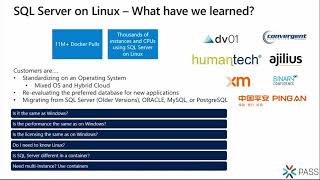
Choice with Compatibility - SQL Server 2019 on Linux and Containers
Explore SQL Server 2019's enhanced capabilities on Linux and containers, including new features like Replication, DTC, and Polybase, for a robust enterprise database solution across diverse platforms.
SQL Server in Azure Virtual Machine Re-Imagined
Explore new features of SQL Server on Azure VM: enhanced manageability, improved performance, flexible licensing, and integration with unified Azure SQL Service for optimal database management.
Reporting Services - A Smart Migration Strategy
Discover strategies for migrating to Power BI Report Server, utilizing ReportServer database metadata to determine which reports and data sources to migrate, and learn PowerShell techniques for efficient extraction and migration.
Infrastructure for the DBA - An Introduction
Comprehensive overview of infrastructure layers for DBAs, covering hardware, network, storage, virtualization, and operating systems to enhance problem-solving and proactive management skills.