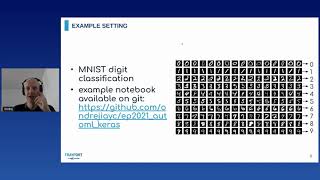
Automated Machine Learning With Keras
Explore automated machine learning with Keras Tuner and AutoKeras, enabling efficient development of high-performance deep learning models while requiring less expertise and effort.
Driving 3D Printers with Python
Explore challenges and solutions in developing OctoPrint, an open-source web interface for 3D printers, focusing on end-user software maintenance and Python implementation insights.
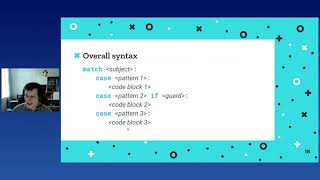
Pattern Matching in Python
Explore Python 3.10's Structural Pattern Matching feature with its contributor. Learn motivations, problem-solving applications, and best practices for this powerful data processing tool.
Sound Event Detection with Machine Learning
Aprenda a implementar detección de eventos sonoros con aprendizaje automático, desde la recopilación de datos hasta el entrenamiento de redes neuronales y la evaluación del sistema, utilizando Python y bibliotecas populares.
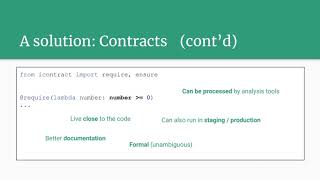
Automatic Testing of Python Functions Based on Contracts
Explore automatic testing of Python functions using contracts, reducing manual effort and improving code quality through tools like crosshair and icontract-hypothesis.
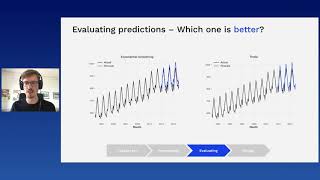
Darts - Unifying Time Series Forecasting Models from ARIMA to Deep Learning
Explore time series forecasting with Darts, a Python library unifying traditional and deep learning models. Learn best practices for preprocessing, backtesting, and achieving quick results in forecasting problems.
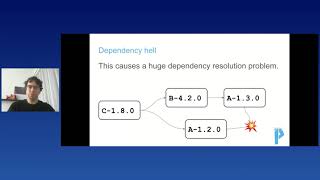
Python Monorepos - What, Why and How
Explore the advantages of monorepos for Python codebases, including scalable management, collaboration, and effective tooling. Learn to evaluate codebase architecture choices for optimal development workflows.
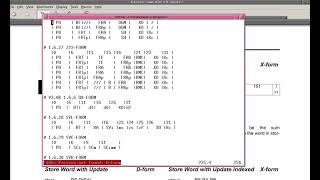
The Libre-SOC Project
Explore the Libre-SOC Project: an open-source initiative using Python to create a programmable, spy-free System-on-a-Chip for smartphones and computers, emphasizing transparency and user control.
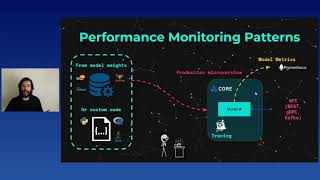
Production ML Monitoring - Outliers, Drift, Explainers & Statistical Performance
Practical deep dive into advanced ML monitoring techniques, covering outliers, drift, explainers, and statistical performance for robust production deployment and scalability.
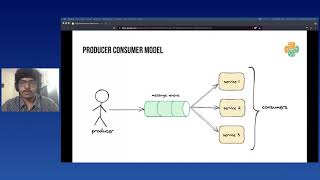
High Performance Data Processing with Python, Kafka and Elasticsearch
Explore high-performance data processing using Python, Kafka, and Elasticsearch. Learn to implement a Producer-Consumer model for real-time data updates in various applications.
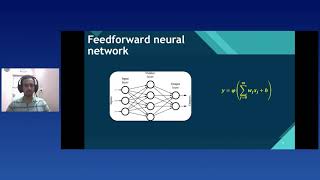
Python and Flutter Application for Colouring and Enhancing Old Photos
Learn to colorize and enhance old photos using Python and Flutter, exploring deep learning models, API development, and mobile app creation for efficient image processing.
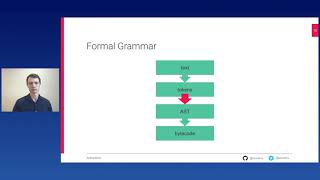
Formalizing a Language
Explore formal grammar, Python's parsing engine changes in 3.9, and their impact on language evolution. Gain insights into programming language creation and future Python developments.
Analyzing COVID Vaccine Popularity in Europe Using FastAPI, Postgres & Azure
Explore COVID vaccine data analysis using FastAPI, Postgres, and Azure. Learn to process, store, and visualize European vaccine popularity data with Python tools and cloud services.
Traveling Through a Secure API in Python
Learn to build a secure "Where Have I Been" map application using Python and Auth0, covering API endpoint creation, data protection, manipulation, and deployment.
A Crowdsourced Map for Checking Supermarket Wait Times Worldwide
Explore the development of a crowdsourced map for tracking supermarket wait times during the pandemic, utilizing Redis, uWSGI, and Flask to scale from a Raspberry Pi to multiple VPS servers.
Streamlit - The Fastest Way to Build Data Apps
Discover how to rapidly create data science apps using Streamlit, an open-source framework that simplifies development with Python scripts, eliminating the need for front-end coding.
Developing Flask Applications for Google Cloud
Learn to build Flask apps for Cloud Run, using Cloud Code for faster development. Explore integration with Cloud SQL, Pub/Sub, and Secret Manager on Google Cloud's serverless platform.
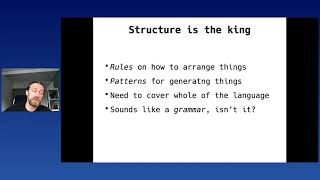
Code From Nothing - Procedural Generation of Python Source Code
Explore novel techniques for testing Python linters and fixers using Hypothesis, focusing on procedural generation of source code to uncover edge cases and improve tool reliability.
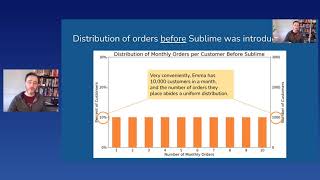
Sliding into Causal Inference, with Python
Explore causal inference tools in Python to simulate parallel realities and answer 'what if' questions. Learn about randomized experiments, differences-in-differences, propensity scores, and synthetic controls.
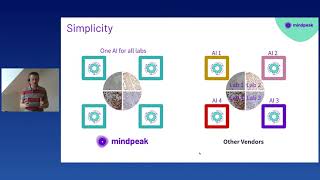
Speeding Up the Deep Learning Development Life Cycle for Cancer Diagnostics
Optimizing deep learning development for cancer diagnostics: strategies to accelerate iteration, from task prioritization to GPU parallelization, enhancing model robustness across diverse laboratory settings.
Python Security Best Practices
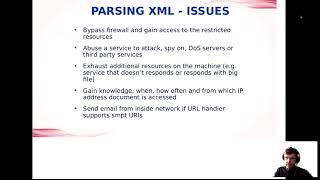
Discover essential Python security practices, covering input validation, XML parsing, assert statements, temporary files, and data serialization. Learn to identify vulnerabilities and implement robust defenses.