Deep Learning with Python & TensorFlow
Explore deep learning with TensorFlow: compare Python ML libraries, create data flow graphs, and learn deployment strategies for production systems.
Jupyter for Everything Else
Explore unconventional uses of Jupyter beyond scientific exploration, including command-line tutorials, interactive presentations, and web technology experimentation.
Python, Data & Rock'n'Roll
Explore rock music lyrics using data science techniques like web crawling, NoSQL, NLP, and visualization to uncover trends, themes, and correlations among legendary bands.
TDD of Python Microservices
Learn to create Python microservices using Test-Driven Development. Explore service and contract testing with Docker and Swagger for robust, confident development in a microservices architecture.
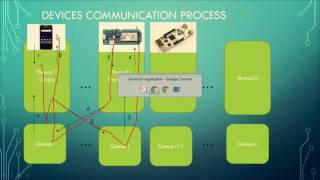
Server for IoT Devices and Mobile Devices Using Wifi Network
Explore IoT server architecture using Python, MySQL, and Kivy for mobile apps. Learn about device registration, messaging, security, and database management in IoT environments.
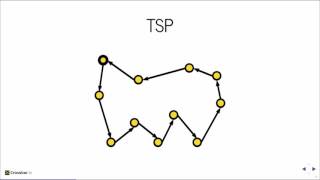
Scaling Microservices with Crossbar.io
Learn to scale microservices efficiently using Crossbar.io, an open-source application router. Explore distributed scaling techniques and participate in a live demo showcasing WAMP protocol implementation.
Free Your Papers, Researchers!
Explore how Python and Django can help researchers make their papers freely accessible, promoting Open Access and addressing challenges in academic publishing.
NetworkX Visualization Powered by Bokeh
Interactive network visualization using NetworkX and Bokeh in Jupyter Notebooks. Learn to create, manipulate, and update network structures with Python, enhancing data exploration and analysis of social networks.
How to Migrate from PostgreSQL to HDF5 and Live Happily Ever After
Explore migrating from PostgreSQL to HDF5 for scientific projects with large floating-point datasets. Learn strategies for performance optimization, data migration, and maintaining system integrity during transition.
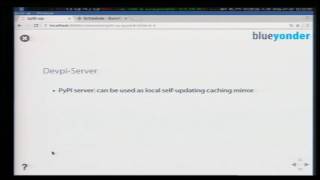
Split Up! Fighting the Monolith
Strategies for breaking down monolithic applications into manageable components, addressing dependency challenges, and improving code flexibility and maintainability.

3D Modeling and Printing by Python
Learn to create 3D models for printing using Python APIs in popular software like Blender and Fusion 360. Explore basic concepts, practical tips, and real-world project examples for generating 3D models programmatically.
How Can Machine Learning Help to Predict Changes in Size of Atlantic Herring
Explore machine learning techniques to predict Atlantic herring size changes using environmental and fishing data, with implications for conservation and sustainable fisheries management.
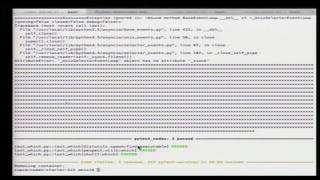
Test-Driven Code Search and Reuse Coming to Python with Pytest-Nodev
Explore test-driven reuse strategy and pytest-nodev, a search engine for Python code. Learn to efficiently find and reuse code based on behavior and semantics rather than keywords.
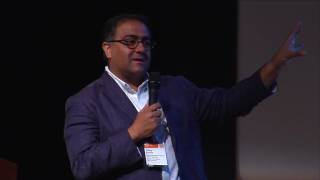
A Gentle Introduction to Neural Networks - with Python
Explore neural networks and create your own using Python. Learn about AI challenges, biologically-inspired networks, training methods, and achieve 97.5% accuracy in recognizing handwritten numbers.
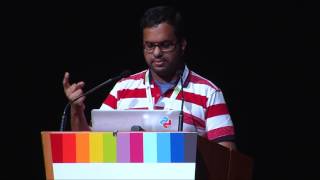
Machine Learning - Power of Ensembles
Explore ensemble methods in machine learning, combining diverse models for improved accuracy. Learn bagging, boosting, and stacking techniques with real-world examples and practical insights.
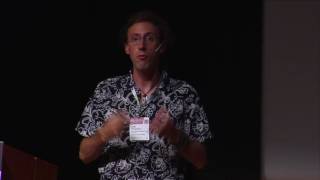
Scientist Meets Web Dev - How Python Became the Language of Data
Explore Python's evolution as a data science powerhouse, blending scientific computing with web development. Learn how this versatile language empowers researchers and analysts to tackle complex data challenges.
CFFI - Calling C from Python
Learn to call C libraries from Python using CFFI, a simpler alternative to C extension modules. Explore its advantages, including cross-implementation compatibility and direct C access, with practical demos and examples.

TCP - IP Animated
Interactive game teaching TCP/IP protocols through team-based simulations. Players assume network roles, exchanging messages to understand concepts like DNS, TCP, and IP in a fun, competitive environment.
A Python for Future Generations
Explore Python's evolution, interpreter challenges, and potential future improvements, drawing insights from JavaScript and Rust ecosystems to enhance language design and functionality.
Understanding Celery & CeleryBeat
Explore distributed task queues with Celery and CeleryBeat. Learn core architecture, key components, and real-world applications. Gain insights into task scheduling and system performance optimization.
Testing Microcontroller Firmware with Python
Learn to create integration tests for microcontroller firmware using Python and CFFI, enabling faster execution and advanced security testing without requiring target hardware.