Cellular Exploitation on a Global Scale - The Rise and Fall of the Control Protocol
Explore hidden cellular device controls, their vulnerabilities, and potential for global exploitation. Learn reverse engineering techniques, protocol analysis, and proof-of-concept exploits for major platforms and networks.
Diving Into IE 10’s Enhanced Protected Mode Sandbox
Explore IE 10's Enhanced Protected Mode Sandbox, its security features, and potential vulnerabilities in this in-depth technical analysis.
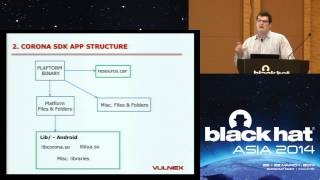
The Inner Workings of Mobile Cross-Platform Technologies
Explore the inner workings of mobile cross-platform technologies, uncovering key insights and strategies for efficient multi-platform app development.
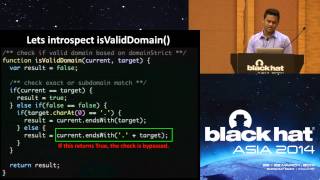
JS Suicide - Using JavaScript Security Features to Kill JS Security
Explore JavaScript security features and their potential vulnerabilities, uncovering how these protective measures can be exploited to compromise web application security.
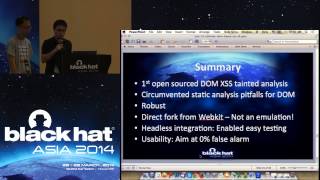
Ultimate Dom Based XSS Detection Scanner on Cloud
Learn advanced techniques for detecting DOM-based XSS vulnerabilities using cloud-based scanning tools, enhancing web application security.

UI Redressing Attacks on Android Devices Revisited
Explore UI redressing attacks on Android devices, examining vulnerabilities and potential security risks in mobile applications.
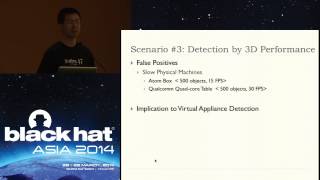
Comprehensive Virtual Appliance Detection
Explore techniques for detecting virtual appliances, including resolution analysis, HTML5 feature support, and 3D performance observations. Learn practical methods for identifying virtualized environments.

Rooting SIM Cards
Explore SIM card vulnerabilities and their impact on mobile security. Learn about implementation flaws, potential exploits, and the implications for trusted computing in smartphones and embedded devices.
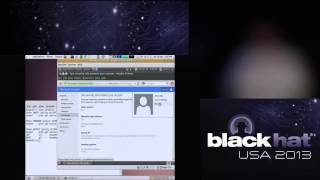
Truncating TLS Connections to Violate Beliefs in Web Applications
Exploring TLS truncation attacks to exploit web application flaws, demonstrating vulnerabilities in authentication systems and their impact on popular platforms like Helios, Microsoft Live, and Google.
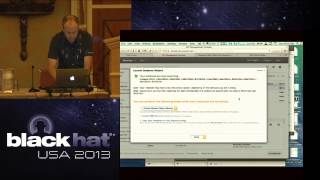
KickaaS Security with Automation and Cloud
Explore cutting-edge security automation techniques for cloud environments, focusing on resource management, host protection, and identity control.
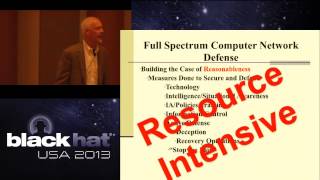
Legal Aspects of Full Spectrum Computer Network - Active Defense
Explores legal implications of active cyber defense, covering technology, information control, and controversial practices. Emphasizes importance of collaboration between security professionals and legal counsel.

A Practical Attack Against MDM Solutions
Unveiling spyphone attacks: A proof-of-concept technique bypassing mobile malware detection and MDM features, demonstrating vulnerabilities in mobile security and surveillance risks.
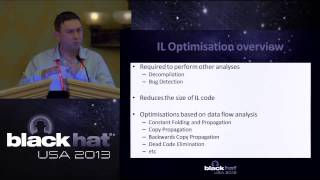
Detecting Bugs Using Decompilation and Data Flow Analysis
Explore Bugwise, a free online service for detecting software bugs through decompilation and data flow analysis, showcasing its success in finding vulnerabilities in Debian Linux.

Hunting the Shadows - In Depth Analysis of Escalated APT Attacks
In-depth analysis of APT attacks targeting Taiwan, showcasing automated detection systems, forensic techniques, and insights into attacker operations. Includes release of collaborative APT classification platform.

BinaryPig - Scalable Malware Analytics in Hadoop
Scalable malware analytics framework using Hadoop for processing large volumes of malware samples. Enables efficient feature extraction, machine learning, and data exploration for security researchers.
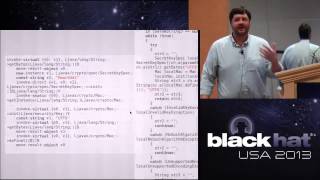
Abusing Web APIs Through Scripted Android Applications
Exploiting Android app vulnerabilities to abuse web APIs, using JRuby for scripting and Burp Suite for testing. Demonstrates attacks bypassing security measures and exposes potential weaknesses in mobile app ecosystems.
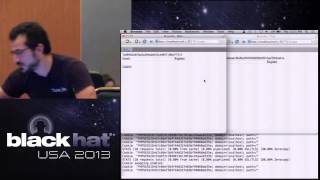
Dissecting CSRF Attacks & Countermeasures
Explore CSRF attacks, current countermeasures, and a proposed header-based policy for improved web security. Learn detection techniques and a new concept called Storage Origin Security for simplified protection.

Big Data for Web Application Security
Explore how big data analytics can enhance web application security, with real-world examples of proactive and reactive security measures using MapReduce and Cascading.
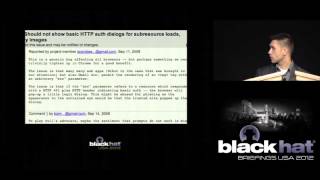
Blended Threats and JavaScript - A Plan for Permanent Network Compromise
Explore advanced browser-based attacks using JavaScript and HTML5, focusing on exploiting network devices and achieving persistent compromise of intranet systems.
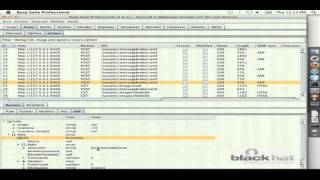
AMF Testing Made Easy
Reshaping AMF fuzzing with automated gray-box testing. Learn to build custom AMF messages, dynamically generate objects, and improve fuzzing coverage for complex applications using the Blazer Burp Suite plugin.
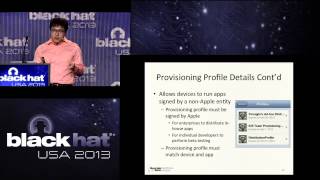
Injecting Malware into iOS Devices via Malicious Chargers
Demonstration of iOS device vulnerability through malicious chargers, bypassing security mechanisms to inject arbitrary software within one minute of connection, using a proof-of-concept called Mactans.