Evaluation of Cursor Offset on 3D Selection in VR
Explores four virtual cursor offset techniques for 3D object selection in VR, comparing performance and user preference using different input devices and target distances.

Over My Hand - Using a Personalized Hand in VR to Improve Object Size Estimation, Body Ownership, and Presence
Explore how personalized virtual hands enhance VR experiences, improving object size estimation, body ownership, and spatial presence through innovative body-based scaling techniques.

Getting There and Beyond - Incidental Learning of Spatial Knowledge with Turn-by-Turn Directions and Location Updates in Navigation Interfaces
Explore how navigation interfaces with turn-by-turn directions and location updates impact incidental learning of spatial knowledge, comparing map-based and video-based interfaces.
Pocket6 - A 6DoF Controller Based on a Simple Smartphone Application
Innovative smartphone app for 6DoF input, rivaling expensive controllers. Offers high accuracy, accessibility, and versatility for 2D/3D object manipulation without external trackers or spatial limitations.

Rousillon - Scraping Distributed Hierarchical Web Data
Novel web scraping tool enabling efficient collection of hierarchical data across multiple pages. Demonstrates 8x faster scraper creation through programming by demonstration, benefiting data scientists and researchers.
MobiLimb - Augmenting Mobile Devices with a Robotic Limb
Explore MobiLimb, a 5-DOF robotic manipulator for mobile devices. Discover its potential as a tool, partner, and medium for enhanced interaction, tangible control, and expressive communication.
HydroRing - Supporting Mixed Reality Haptics Using Liquid Flow
Innovative finger-worn device providing tactile sensations for mixed-reality interactions. Uses liquid flow to deliver pressure, vibration, and temperature feedback while maintaining dexterity and real-world perception.
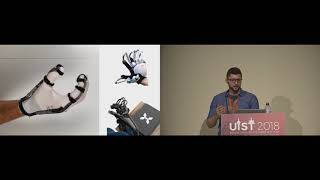
DextrES - Wearable Haptic Feedback for Grasping in VR via a Thin Form-Factor Electrostatic Brake
Innovative wearable haptic glove for VR using electrostatic brakes to provide kinesthetic and cutaneous feedback, enhancing grasping precision in virtual environments.
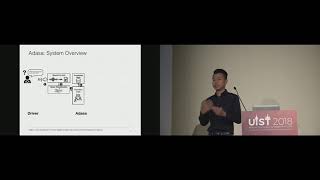
Adasa - A Conversational In-Vehicle Digital Assistant for Advanced Driver Assistance Features
Conversational digital assistant for vehicles that enhances driver understanding and usability of advanced assistance features through natural language interaction and real-time responses.
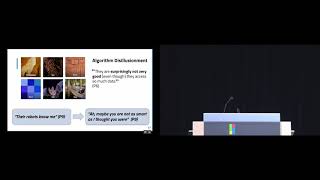
Communicating Algorithmic Process in Online Behavioral Advertising
Explores user perceptions of online behavioral advertising algorithms, revealing preferences for interpretable explanations and the impact of exposing algorithmic attributes on user trust and platform perception.

Drunk User Interfaces - Determining Blood Alcohol Level through Everyday Smartphone Tasks
Innovative smartphone interfaces measure blood alcohol levels through user performance, offering a potential alternative to breathalyzers for assessing inebriation in everyday scenarios.
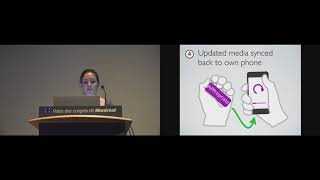
Make Yourself at Phone - Reimagining Mobile Interaction Architectures With Emergent Users
Innovative mobile design allowing users to temporarily use any Android device as their own, enhancing security, resource sharing, and privacy. Co-designed with emergent users for wide-ranging benefits.
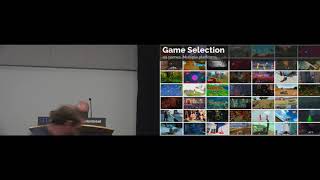
A Visual Interaction Cue Framework from Video Game Environments for Augmented Reality
Exploring visual interaction cues in video games to enhance augmented reality experiences. Framework analyzes cue purpose, design, and context, offering insights for AR application development.
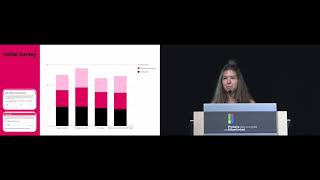
Exploring Co-design with Breastfeeding Mothers
Insights on co-designing mobile apps for breastfeeding mothers, focusing on challenges, methodologies, and key factors to consider for effective user engagement and empowerment.
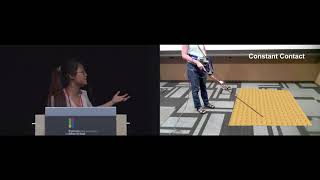
Enabling People with Visual Impairments to Navigate Virtual Reality with a Haptic and Auditory Cane Simulation
Innovative haptic controller simulates white cane interactions, allowing visually impaired users to navigate virtual environments using familiar skills, with physical, vibrotactile, and auditory feedback.
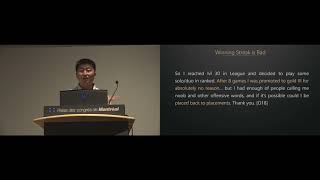
Playing with Streakiness in Online Games - How Players Perceive and React to Winning and Losing Streaks in League of Legends
Explore player perceptions and reactions to winning and losing streaks in League of Legends, examining impacts on player experience and strategies for managing streakiness.
Investigating the Impact of Annotation Interfaces on Player Performance in Distributed Multiplayer Games
Explores how visual annotations in multiplayer games improve communication, planning, and team performance. Findings show reduced frustration and faster goal completion with collaborative annotation tools.
Selection-based Text Entry in Virtual Reality
Explores six methods for text input in VR using virtual keyboards, comparing performance and user preferences to guide optimal selection for different scenarios and available resources.

COMPASS - Rotational Keyboard on Non-Touch Smartwatches
Innovative text entry technique for non-touch smartwatches using rotational bezel and multiple cursors. Achieves 12.5 WPM after practice, offering alternative input method for various scenarios.

MagicFace - Stepping Into Character Through Augmented Reality Mirror
Explore how augmented reality face transformation affects user perception and behavior in cultural settings, examining its potential for educational and immersive experiences.

Desktop Orbital Camera Motions Using Rotational Head Movements
Explore head movements for 3D viewpoint control, comparing yaw and roll techniques. Studies reveal roll's efficiency for orbital camera control, outperforming traditional mouse/keyboard methods by 14.5%.