Making Daydream Real - Building for Google's New VR Platform
Explore Google's Daydream VR platform, covering basics, development tips, and key features like seated VR and arm modeling for immersive experiences.
The Evolution of Allegorithmic's Substance - Better Tools
Explore the evolution of Allegoritmic's Substance tools, focusing on Substance Painter and Designer for enhanced procedural texturing and material creation in game development.
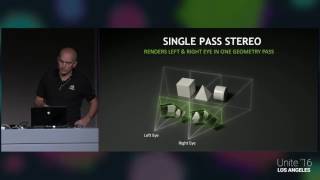
Accelerating Your Applications with NVIDIA VRWorks
Explore NVIDIA VRWorks integration in Unity, featuring advanced rendering techniques for enhanced VR performance and visual quality.

What Makes Great Games Great? Game Design
Explore the science of deep engagement in game design, learning about Flow theory, its four requirements, and practical applications for creating captivating gaming experiences.

Jedi Tricks for Visual Quality on Mobile
Discover key techniques for achieving authentic Star Wars visuals on mobile, including lighting, VFX, and performance optimization for an immersive gaming experience.

Gearboxes and Gas Pedals - Vehicle Physics in Unity
Explore vehicle physics in Unity, from wheel colliders to advanced features like gearboxes and traction control. Learn tuning techniques for realistic and enjoyable car handling in games.

Real World HoloLens Mixed Reality Development with Unity - Be Part of the Future
Explore HoloLens mixed reality development with Unity, covering setup, skills, and best practices. Learn through demos and real-world applications to create compelling AR/VR experiences.

Building Simulated Worlds - Orchestrating Thousands of Unity3D Instances
Explore the technical challenges of creating massive, persistent game worlds using Unity3D and SpatialOS, focusing on distributed systems and entity-component architecture.

Fallen Utopia - Bringing the World of PAMELA to Life with Unity 5
Explore the artistic process and Unity 5 tools behind PAMELA's sci-fi horror aesthetics, from concept to high-end visuals, lighting, and level design.

Building Unity Projects with Unity Cloud Build
Discover Unity Cloud Build's automated app building, testing, and distribution features for streamlined game development and efficient team collaboration.
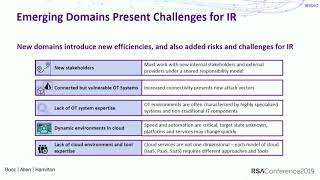
Incident Response Beyond Enterprise IT
Explore strategies for effective incident response in emerging domains like cloud, OT, and mobile. Learn about new service models, team structures, and proactive solutions for evolving cybersecurity challenges.
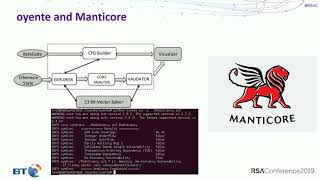
Advanced Smart Contract Hacking
Explore advanced Solidity hacking techniques, from bleeding-edge exploits to writing contracts that hack other contracts. Learn about real-world vulnerabilities and prepare for future blockchain security challenges.

Coding Secure Code - Best Practices, Advice for Writing Secure Code
Discover best practices for writing secure code, focusing on business-driven approaches, understanding your model, and integrating security seamlessly into development processes.

BeyondCorp - Empowering Employees with Security for the Cloud Era
Explore Google's "BeyondCorp" framework for cloud-era security, enabling seamless remote work without VPNs through a "Zero Trust" approach and user-centric access controls.

The Rise of Confidential Computing
Explore Trusted Execution Environments for secure data processing in public clouds, including architectures, runtimes, and tools for creating confidential computing services.

The Seven Most Dangerous New Attack Techniques, and What's Coming Next
Explore cutting-edge cyber threats, their mechanisms, and defense strategies. Learn about PowerShell attacks, Android vulnerabilities, and industrial control system risks from leading security experts.

Fractal Architecture
Explore fractal architecture to write more readable code. Learn encapsulation, aggressive thresholds, and referential transparency to improve software development productivity.

Strangling the Monolith - Applied Patterns & Practices from the Trenches
Practical strategies for incrementally modernizing legacy systems, focusing on the strangler pattern, domain-driven design, and team topologies to evolve towards a reactive architecture.

Refactoring Is Not Just Clickbait
Explore refactoring beyond automated tools: its history, challenges, and role in design. Learn to effectively use refactoring techniques for improved code quality and architecture.
Amazing Algorithms for Solving Problems in Software
Explore bio-inspired algorithms like Firefly and Ant Colony for problem-solving in software. Learn their strengths, weaknesses, and optimal use cases to enhance your coding toolkit.
Learning Rust the Wrong Way
Explore unconventional Rust learning strategies, common mistakes, and how C++ background affects the process. Gain insights on effective learning methods for different individuals.