IMRCE - A Unity Toolkit for Virtual Co-Presence
Explore IMRCE, a Unity toolkit for creating mixed reality collaborative environments. Learn about its design, implementation, and evaluation for rapid prototyping of virtual co-presence systems.
Evaluating the Effects of Feedback Type on Older Adults' Performance in Mid-Air Pointing and Target Selection
Investigates feedback types for improving older adults' mid-air pointing and target selection performance, revealing visual-audio combination's effectiveness and target location's significance in gesture-based interfaces.
Unimanual Pen+Touch Input Using Variations of Precision Grip Postures
Explore innovative pen input techniques using precision grip postures for enhanced unimanual interaction in touch-based interfaces, with applications in document annotation and vector drawing.
MetaArms - Body Remapping Using Feet-Controlled Artificial Arms
Explore wearable robotic arms controlled by feet, expanding human capabilities through body remapping. Discover design, user studies, and potential applications of this innovative technology.
Immersive Trip Reports
Innovative approach to enhance travel photo presentations by aligning images with digital terrain models, creating immersive experiences that better convey spatial context and scenery in VR or video formats.
Ubicoustics - Plug-and-Play Acoustic Activity Recognition
Real-time sound-based activity recognition system using professional sound effect libraries for data augmentation. Enables microphone-equipped devices to recognize activities with human-like accuracy.
Vizir - A Domain-Specific Graphical Language for Authoring and Operating Airport Automations
Explore Vizir, a graphical language for creating and managing airport automations. Learn about its design process, features, and guidelines for developing human-automation systems in air traffic control.
Tacttoo - A Thin and Feel-Through Tattoo for On-Skin Tactile Output
Explore Tacttoo, an ultra-thin, feel-through tattoo for on-skin tactile output. Learn about its fabrication, functionality, and applications in augmented and virtual reality.
Blended Agents - Manipulation of Physical Objects within Mixed Reality Environments and Beyond
Explores blended agents in mixed reality, combining virtual and physical interactions through robotic actuators and thermochromic ink, examining their impact on perceived presence and user experience.
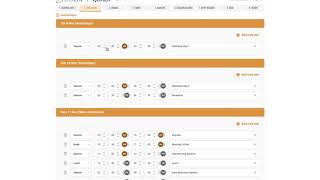
PCS to QOALA to PWA Tutorial
Learn to design conference web programs using QOALA and Progressive Web App, covering settings, scheduling, content management, and export features.
ForceRay - Extending Thumb Reach via Force Input Stabilizes Device Grip for Mobile Touch Input
Innovative thumb-based input technique for large smartphones, improving one-handed use without compromising grip stability. Demonstrates ForceRay's effectiveness in extending reach and maintaining device control.
Sensing Posture-Aware Pen+Touch Interaction on Tablets
Innovative sensing techniques for tablets adapt UI to user posture, combining capacitive touch, motion, and electric field sensors to enhance pen and touch interaction.
HapTwist - Creating Interactive Haptic Proxies in Virtual Reality Using Low-cost Twistable Artefacts
Explore innovative haptic feedback in VR using low-cost twistable artifacts. Learn about HapTwist toolkit for creating interactive proxies, improving user experience and performance in virtual environments.

Triptech - A Method for Evaluating Early Design Concepts
Explore Triptech, a method for evaluating early design concepts in UX, focusing on user needs, desirability, and usefulness. Learn its application in tech-driven innovation practices.
Pulp Friction - Exploring the Finger Pad Periphery for Subtle Haptic Feedback
Innovative haptic feedback technique using finger pad periphery for subtle, nuanced interactions. Explores design space, evaluates human factors, and presents guidelines for enhanced tactile experiences in handheld devices.
Will You Accept an Imperfect AI? Exploring Designs for Adjusting End-user Expectations of AI-powered Systems
Explore strategies for adjusting user expectations of AI systems, focusing on a Scheduling Assistant case study to improve acceptance of imperfect AI technologies.
Explaining Decision-Making Algorithms through UI - Strategies to Help Non-Expert Stakeholders
Strategies for explaining decision-making algorithms through UI to non-experts, focusing on improving comprehension and transparency while exploring the impact on trust and user experience.
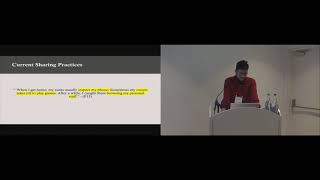
Everyone Has Some Personal Stuff - Designing to Support Digital Privacy with Shared Mobile Phone Use in Bangladesh
Explores a tiered privacy model for shared mobile devices in Bangladesh, addressing digital privacy challenges through separate 'shared' and 'secret' accounts. Findings reveal benefits and remaining hurdles in protecting personal data.

An Overview of the Andrew System
Overview of Andrew System: distributed computing environment for academic users. Explores file system, toolkit, messaging, and UI. Developed at Carnegie Mellon's Information Technology Center, used campus-wide by students, faculty, and staff.

The Augmented Conversation and the Amplified World
Explore the future of augmented reality and its potential to revolutionize human communication, collaboration, and problem-solving through dynamic, shared virtual experiences.
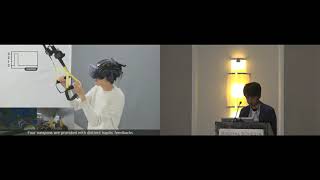
Pull-Ups - Enhancing Suspension Activities in Virtual Reality with Body-Scale Kinesthetic Force Feedback
Enhancing virtual reality experiences with body-scale kinesthetic force feedback using a suspension kit for activities like kitesurfing and paragliding, improving realism and reducing motion sickness.