
A Fast, Compliant JSON Pull Parser for Writing Robust Applications - CppCon 2023
Explore a fast, compliant JSON pull parser for robust C++ applications. Learn API design, semantic constraints, and error handling techniques to enhance JSON parsing efficiency and reliability.
More C++ Ranges Please - Exploring Advanced Algorithms and Applications
Explore advanced C++20/23 range algorithms, including sorted ranges, range-of-ranges operations, and permutations. Gain insights into potential STL additions for enhanced expressiveness and performance.

A Journey Into Non-Virtual Polymorphism in C++ - Lecture
Explore non-virtual polymorphism in C++, covering std::any, std::variant, std::tuple, and CRTP. Discover code examples and modern techniques for handling diverse types without inheritance.
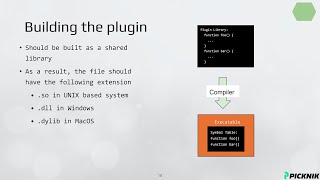
Plug-in Based Software Architecture for Robotics
Explore plug-in architecture in robotics, enhancing system functionality without altering core code. Learn implementation techniques inspired by ROS for flexible, extensible robotic software design.
Is C++23 std::mdspan a Zero-overhead Abstraction? - Lecture
Explore C++23 std::mdspan's efficiency as a zero-overhead abstraction for multi-dimensional arrays through matrix and image operations, comparing assembly output to low-level implementations.
Embracing CTAD - Class Template Argument Deduction in C++17
Explore Class Template Argument Deduction (CTAD) in C++17, its benefits, controversies, and practical applications. Form your own opinion on this divisive language feature.
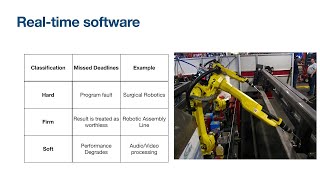
Robotics at Compile Time: Optimizing Robotics Algorithms With C++'s Compile-Time Features - Lecture
Optimize robotics algorithms using C++ compile-time features. Learn to leverage template metaprogramming, constexpr, and concepts for enhanced performance and safety in real-time robotic applications.

Undefined Behavior in C++ - What Every Programmer Should Know and Fear
Explore undefined behavior in C++: its nature, reasons for existence, implications, and practical approaches to detection and performance optimization.
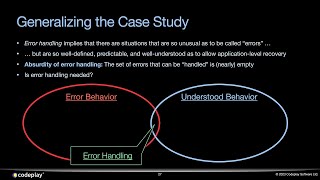
The Absurdity of Error Handling: Finding a Purpose for Errors in Safety-Critical SYCL
Explore error handling challenges in safety-critical SYCL, examining the concept of safety and rethinking error scenarios in C++ software development for critical systems.
Can C++ Data-Oriented Design Be Improved?
Explore innovative techniques to enhance data-oriented design in C++, focusing on optimal transformations and improved code organization for greater flexibility and maintainability.
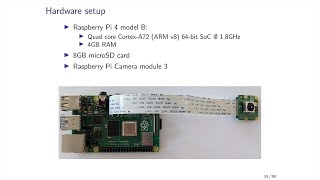
Leveraging the Power of C++ for Efficient Machine Learning on Embedded Devices
Explore practical C++ and TensorFlow Lite integration for efficient machine learning on embedded devices. Includes image classification and hand gesture recognition demonstrations on Raspberry Pi.
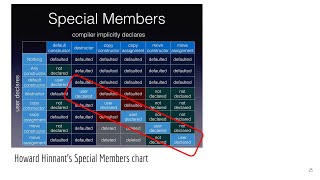
Back to Basics: The Rule of Five in C++ - Lecture
Explore the Rule of Five in C++, its origins, and potential improvements. Learn to design classes for correct copying and moving behavior, guided by Core Guidelines.

Optimizing Away C++ Virtual Functions May Be Pointless
Explore the performance impact of C++ virtual functions, challenging common optimization practices and examining alternatives through modern CPU architecture insights.
C++ in the Developing World: Why it Matters
Explore C++'s significance in developing nations, focusing on efficient coding for older hardware, educational potential, and resource-constrained programming techniques.

Building Consensus on a Set of Rules for Massive C++ Codebases
Explore strategies for building consensus on C++ coding rules across large engineering teams, drawing insights from Bloomberg's experience with naming conventions and infrastructure changes.
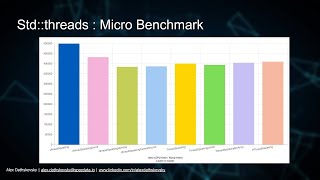
C++ Memory Model: From C++11 to C++23
Explore C++ memory model evolution from C++11 to C++23. Learn CPU and compiler optimizations, threading tools, and best practices for robust, thread-safe code development.

Better Code: Exploring Validity in C++ - Lecture
Explore validity in C++, covering object states, invariants, and value concepts. Gain insights into coding practices, move semantics, and exception safety for enhanced program understanding.
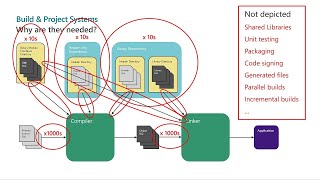
Getting Started with C++ - CppCon 2023
Learn essential steps for starting your C++ journey, from setting up tools to finding resources. Gain insights on compiler toolchains, libraries, and best practices for efficient learning and development.
Great C++ is_trivial - Understanding Trivial Type Traits - Lecture 2023
Explore trivial type traits in C++, their impact on efficiency, and benefits for performance optimization. Gain insights into object initialization and move semantics.

Actors with Tokio - A Lesson in Ownership
Explore actors in Rust: their elegance for shared resources, compatibility with ownership rules, and insights into borrow checker-friendly code. Gain deeper understanding of Rust's core concepts.

Integrating Rust with Other Languages - Get the Best of Both Worlds
Explore integrating Rust with C, C++, and Java to leverage its strengths in existing applications. Learn practical examples and techniques for seamless language interoperability.