
Complexity for Complexity's Sake: The Bane of Cybersecurity Programs
Discover how to simplify cybersecurity approaches by avoiding tool overload and focusing on effective, streamlined solutions for better threat management and user experience in modern security programs.
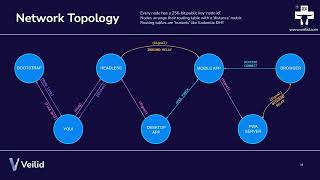
The Internals of Veilid - A New Decentralized Application Framework
Explore the architecture and capabilities of Veilid, an open-source P2P framework enabling secure messaging and decentralized applications through private routing, strong encryption, and cross-platform compatibility.
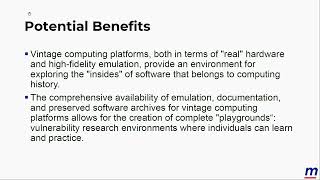
Retro Exploitation - Vintage Computing as a Vulnerability Research Playground
Explore vulnerability research and exploit development through vintage computing, focusing on the Commodore Amiga platform and practical demonstrations of retro software exploitation techniques.
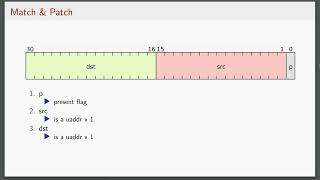
Backdoor in the Core - Altering Intel x86 Instruction Set at Runtime
Dive into groundbreaking research on Intel CPU microcode manipulation, exploring techniques for persistent modifications and potential security implications through microcode backdoors in x86 instruction sets.
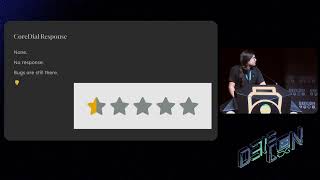
Hacking PBX and UC Systems: Attack Surface Analysis and Vulnerability Discovery
Dive into enterprise PBX/UC system vulnerabilities, exploring attack surfaces, Java Runtime exploitation, PHP decryption, and shell access techniques in communication infrastructure.

Advanced ROP Framework - Pushing Return-Oriented Programming to Its Limits
Discover advanced return-oriented programming techniques with ROP ROCKET framework, featuring syscall bypassing, cross-architecture exploitation, and innovative bad byte handling for enhanced security testing.

Early Microprocessors and the 6502: A Historical and Technical Introduction
Explore the fascinating history of early microprocessors, focusing on the 6502 chip, its programming, and impact on vintage computing systems, with hands-on demonstrations and resources.
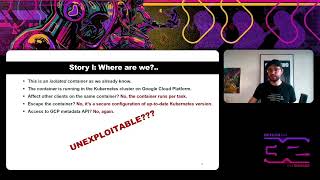
Exploiting the Unexploitable - Advanced JavaScript Vulnerability Chains in Kibana
Dive into advanced exploitation techniques for JavaScript vulnerabilities, focusing on Prototype Pollution attacks and RCE chains through real-world Kibana Bug Bounty examples and defense strategies.

The Rise and Fall of Binary Exploitation - A Technical Analysis of Memory Safety and Exploit Mitigations
Explore the evolution of binary exploitation, memory safety challenges, and modern protection mechanisms in operating systems, focusing on Windows security mitigations and their effectiveness.

Creating Custom Electronic Conference Badges - A Guide to OpenTaxus Design
Learn to design and customize electronic conference badges using OpenTaxus - from hardware modifications in KiCAD to software changes in CircuitPython, plus cost management and production logistics.
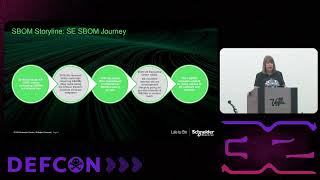
The Missing Link: How to Collect and Leverage Software Bill of Materials (SBOMs)
Discover how Schneider Electric efficiently manages software security through SBOM collection and implementation, with real-world examples from Log4j and OpenSSL vulnerability responses.

Vehicle-to-Game: Using Your Car as a Game Controller
Discover how to transform your car into a unique game controller using Python, exploring vehicle networks, CAN bus communication, and diagnostic interfaces for an innovative gaming experience.
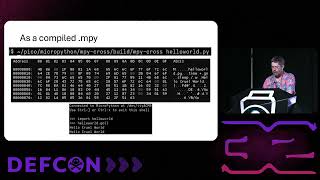
Reverse Engineering MicroPython Frozen Modules
Dive into advanced techniques for identifying and reverse engineering frozen MicroPython modules in firmware using Ghidra, focusing on bytecode analysis and module reconstruction methods.
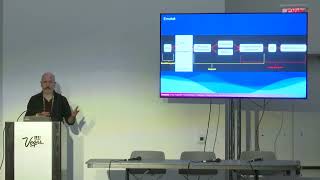
Signature-Based Detection Using Network Timing - Malware Traffic Analysis
Explore advanced malware detection techniques using network timing patterns and Python, learning to identify malicious behavior through transaction intervals rather than traditional code signatures.
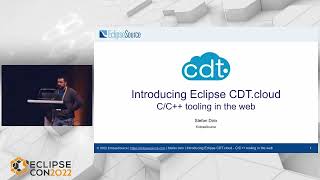
Introducing Eclipse CDT.cloud - C/C++ Tooling in the Web
Discover how to build next-generation C/C++ development tools for web and cloud environments using Eclipse CDT.cloud's framework, featuring advanced debugging, memory inspection, and customizable components.
Just-In-Time Compilation as a Service - The Next Frontier in Open Source Java Compilers
Discover how JITServer technology optimizes Java application performance in containers by separating JIT compilation, reducing resource usage, and enabling higher application density with improved reliability.
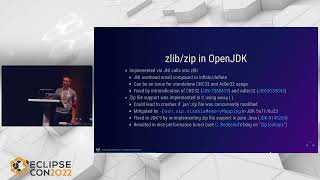
Understanding Zlib and Zip Compression in OpenJDK - From Implementation to Performance
Dive into the intricacies of zlib/zip compression in OpenJDK, exploring implementation details, performance optimization techniques, and practical solutions for common challenges in Java development.
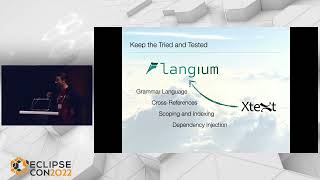
Textual and Graphical Languages for the Cloud Era
Discover how to build cloud-based IDEs with domain-specific languages, combining Theia, Langium, and Sprotty for creating modern text editors and graphical diagrams with TypeScript.
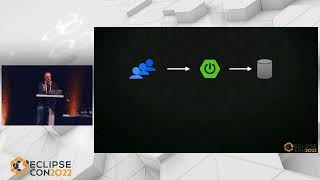
Using Testcontainers for Better Integration Tests in Java Microservices
Discover how to create robust integration tests using Testcontainers framework, enabling independent testing of Java microservices with Docker-based infrastructure services like databases and message brokers.

Jakarta EE Security - Sailing Safe in Troubled Waters
Discover how to implement robust security measures in Jakarta EE applications using authentication mechanisms like OAuth, OpenID Connect, and container-based security features for enhanced application protection.

Software Vulnerabilities: From Log4J and SpringShell to Cyber Warfare
Explore cybersecurity threats through Log4Shell and SpringShell cases, understanding vulnerability exploitation, cyber warfare evolution, and essential defensive practices for safer software development.