GPU Accelerated Computing and Optimizations on Cross-Vendor Graphics Cards with Vulkan and Kompute
Explore GPU acceleration and optimizations for cross-vendor graphics cards using Vulkan & Kompute. Learn to implement GPU-accelerated machine learning algorithms and leverage hardware capabilities for performance improvements.

Back to Basics: Object-Oriented Programming in C++ - CppCon 2022
Explore object-oriented programming in C++, covering encapsulation, inheritance, and polymorphism. Learn best practices, design considerations, and common pitfalls for novice to intermediate developers.
Armor Plating Your Unit Tests in C++: Effective Bug Hunting Strategies
Enhance unit testing skills in C++ to effectively find, fix, and prevent bugs. Learn best practices, organization techniques, and strategies for thorough test case development.
Reviewing Beginners' C++ Code - CppCon 2022
Explore effective techniques for evaluating and providing constructive feedback on C++ code written by beginners, balancing fairness and time constraints in the review process.
New in Visual Studio Code - Clang-Tidy, Makefile, CMake, GitHub, and More
Explore Visual Studio Code's latest C++ features: Clang-Tidy, makefile, CMake, GitHub integration, remote development, and productivity enhancements for efficient cross-platform coding.
Using Modern C++ to Revive an Old Design
Revive the Unix System V STREAMS framework using modern C++ techniques. Learn to build modular, reusable components for efficient data processing systems while optimizing runtime performance.

Pragmatic Simplicity - Actionable Guidelines to Tame C++ Complexity - Lecture
Discover actionable guidelines to reduce C++ complexity, enhancing maintainability and developer well-being. Explore practical examples and derive precepts for simpler, more effective codebases.
Back to Basics: The C++ Core Guidelines - CppCon 2022
Explore essential C++ Core Guidelines for writing correct software by design. Learn best practices for interfaces, functions, classes, concurrency, and templates in modern C++ development.

Introduction to Computational Mechanics - ME3255
Explore Python's applications in engineering, open educational resources, and course logistics. Learn about GitHub, discussion chats, and intellectual property.
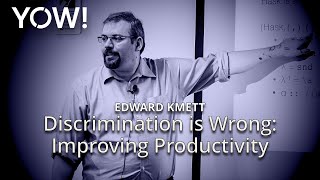
Discrimination is Wrong - Improving Productivity in Haskell Library Design
Explore advanced Haskell library design, optimizing discrimination techniques for O(n) operations. Dive into category theory, encodings, system-level concerns, and laziness properties.

Raspberry Pi Pico W - Introduction to PIO and State Machines - Lesson 87
Learn to program and interact with PIO blocks and state machines on Raspberry Pi Pico W. Covers instantiation, assembly code writing, and Python integration for advanced microcontroller projects.
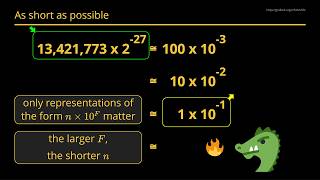
Fast Conversion from C++ Floating Point Numbers - New Dragon Algorithm
Explore advanced algorithms for converting C++ floating-point numbers to strings, including dragon-related techniques. Dive into the mathematics and intricacies behind efficient numeric representation and conversion methods.

Reflection Is Good for C++ Code Health
Explore C++ reflection's potential for C++26, including Python bindings, ABI hashing, and improved variant types. Learn how reflection can reduce repetitive code and enhance productivity.

C++ Type Erasure Demystified - Lecture
Demystifying C++ type erasure: from basic concepts to advanced implementations. Learn how to achieve high-level abstraction and improve performance in your C++ code.
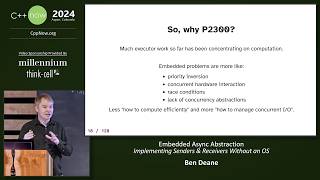
Embedded Asynchronous Abstraction C++ - Implementing Senders and Receivers Without an OS
Explore implementing senders and receivers for asynchronous work in embedded systems without an OS. Learn about P2300, concurrent behavior, and zero-cost abstractions for microcontrollers.

Value Oriented Programming Part V - Return of the Values
Explore value semantics in C++ programming, focusing on improved code readability, correctness, and maintainability. Learn techniques for value-oriented design and implementation.
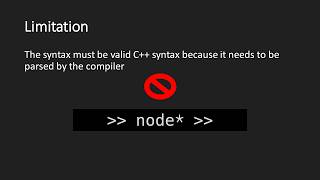
Expressive Compile-Time Parsers in C++
Explore compile-time parsers in C++ for expressive APIs and DSLs. Learn techniques, compare libraries, and discover applications in regular expressions, parser generators, and reflection features.
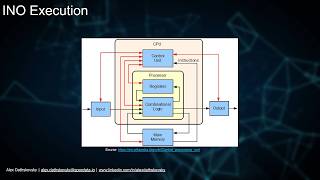
C++11 to C++23 in the C++ Memory Model - Lecture
Explore C++ memory model evolution from C++11 to C++23, covering threading, optimization, and best practices for robust, thread-safe code development.
Implementing Ranges and Views in C++ - C++Now 2024
Explore sequence-oriented programming with C++20 ranges, focusing on implementing custom range views. Learn design principles, concepts, and techniques to extend the ranges library effectively.
A Deep Dive Into C++ Object Lifetimes
Comprehensive exploration of C++ object lifetimes, covering creation, destruction, temporary extensions, memory management, unions, and related concepts. Insights from standards, proposals, and optimizations.
Zero-Cost Abstractions in C++ - High Performance Message Dispatch
Explore zero-cost abstractions in C++ through a case study on high-performance message dispatch, featuring compile-time programming and optimized algorithms for efficient component communication.