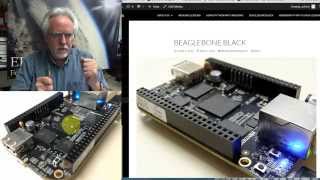
Beaglebone Black Lessons
Learn to program and control Beaglebone Black, from GPIO pins and PWM to advanced projects like GPS tracking. Gain hands-on experience with Python, hardware interfacing, and data visualization.
Live Coding the Micro:bit with MakeCode - Introduction and Project Walkthrough
Explore the micro:bit with SparkFun educators: learn about its history, sensors, and programming environment. Follow along to create a project using MakeCode simulator and gain hands-on experience.

Immersive Analytics and Embodied Sensemaking
Explore emerging display and interaction technologies for data visualization, focusing on immersive analytics and embodied sensemaking techniques to enhance data understanding and analysis.
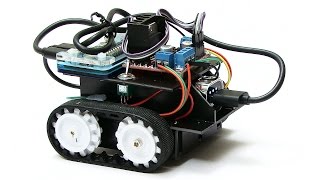
Raspberry Pi Robotics - Keyboard Control
Learn to build and control a Raspberry Pi Zero robot using a wireless keyboard, including Python coding for key press detection and motor control. Gain practical robotics skills.

Open Source, Self Hosted Mailbox Notification System - Know When Your Posts Arrive Without the Walk
Build a DIY mailbox notification system using open-source tools and a Raspberry Pi. Learn to set up hardware, configure software, and receive alerts when mail arrives, saving time and effort.
Tangible and Physical Interaction in the Wild - Today and Tomorrow
Exploring the evolution and future of tangible interfaces in real-world applications, from research labs to mass production, and their impact on user interaction and technology development.
Physical Computing: How Software Meets Hardware - From Christmas Trees to Connected Devices
Explore physical computing and connected devices, from microcontrollers to digital fabrication. Learn how diverse creators use open-source hardware and software to build interactive technologies and shape our connected world.
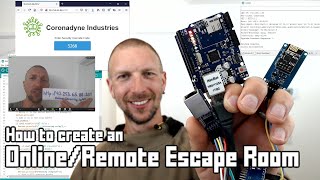
Creating Internet-Enabled Hybrid Physical/Remote Escape Room Puzzles
Learn to create innovative hybrid escape rooms combining physical and remote elements using Arduino, networking hardware, and web-based controls for an engaging player experience during lockdowns.
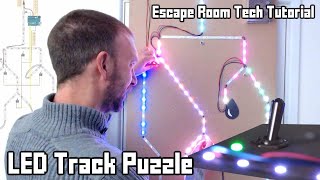
LED Track DIY Escape Room Puzzle Tutorial - Building an Interactive Light Puzzle
Learn to create an interactive LED track puzzle for escape rooms, featuring customizable particle animations and switch-controlled paths. Gain hands-on experience with Arduino programming and hardware integration.
Bringing Computing into the Real World - Interactive Digital Art
Explore innovative ways to integrate computing with the physical world in this interactive session led by digital artist Seb Lee-Delisle, showcasing exciting possibilities beyond traditional indoor use.
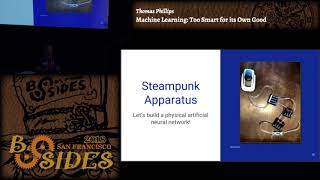
Machine Learning - Too Smart for its Own Good
Explore machine learning limitations through a steampunk model, revealing why neural nets generate false positives without complex mathematics.
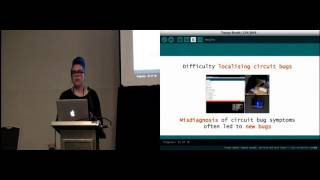
Crossed Wires - Investigating the Problems of End-User Developers in a Physical Computing Task
Investigates challenges faced by end-users in physical computing tasks, focusing on circuit construction and programming issues when connecting sensors to microcontrollers. Highlights the need for better support tools.
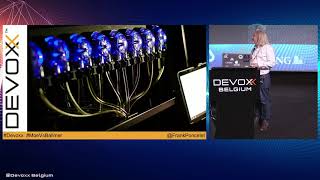
Moe Szyslak vs The Balmer Peak
Explore the creation of an automated cocktail mixer using Raspberry Pi, Python, and various hardware components. Learn about the challenges and solutions in building physical prototypes.
Using Android Things to Detect and Exterminate Reptilians
Explore Android Things to build a Reptilian-detecting machine using Raspberry Pi, Arduino, and machine learning. Learn to interact with physical components through specific APIs.
RaspberryPi with Extra Toppings
Explore physical computing with RaspberryPi, including hardware design, Python API development, and practical applications for hobbyists and schools.

The Formulartic Spectrum
Exploring the intersection of JavaScript, data manipulation, and physical world interactions to create unexpected and joyful experiences through code.
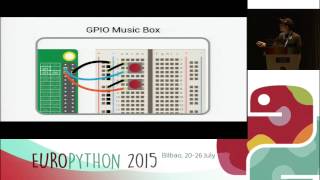
Physical Computing with Python and Raspberry Pi
Explore physical computing using Python on Raspberry Pi. Learn to control hardware, create interactive projects, and discover engaging applications in education and beyond.
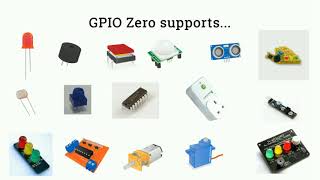
Physical Computing with Raspberry Pi and Python
Explore physical computing with Raspberry Pi and Python. Learn about GPIO pins, libraries, and hardware add-ons. Discover how to create interactive projects and leverage the Pi's capabilities for digital making and education.
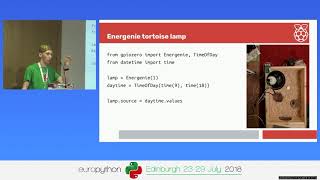
Programming Paradigms for Physical Computing and IoT
Explore multi-paradigm programming for GPIO devices on Raspberry Pi, from simple scripts to complex interactions, using Pythonic code for IoT and physical computing applications.
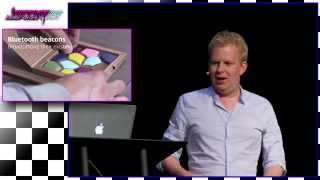
Altering the Real World with JavaScript
Explore JavaScript's potential to bridge digital and physical worlds through innovative demos, from sensor-driven music to hardware hacking, revolutionizing real-world applications.

Just Go for It - The Story of Dance-Mat.js
Explore the journey of creating dance-mat.js, a DIY Dance Dance Revolution controller using Raspberry Pi, Bare Conductive PiCap, and Node.js. Learn about side project challenges and innovative solutions.