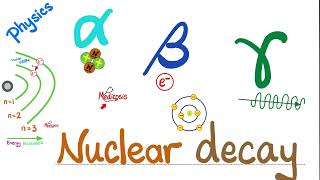
Alpha, Beta and Gamma Nuclear Decay - Energy Absorption vs Emission in Radioactivity
Comprehensive exploration of nuclear decay types, energy processes, and radiation principles. Covers key concepts for physics and chemistry exams, emphasizing practical applications in medicine and science.
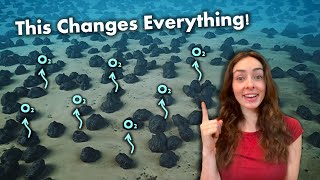
Discovery of Dark Oxygen Produced at the Sea Floor - Reshaping Our Understanding of Earth's Oxygen Cycle
Explores groundbreaking discovery of 'dark oxygen' produced in deep ocean, challenging our understanding of Earth's oxygen cycle and its implications for life origins and marine ecosystems.
The Real Reason the Sky is Blue
Discover how bacteria contribute to the sky's blue color, offering a fascinating alternative to the traditional Rayleigh scattering explanation for curious minds.
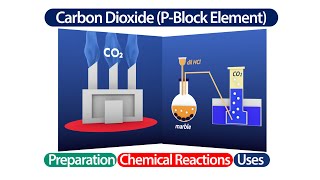
Carbon Dioxide - Properties, Preparation, and Applications
Explore carbon dioxide's properties, preparation, and applications in this comprehensive animated guide to CO2 as a p-block element in inorganic chemistry.
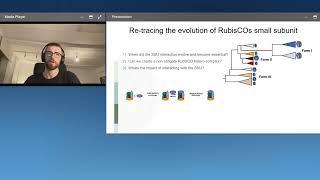
The Evolution of Carbon Fixation: Studying Form I Rubisco Using Ancestral Sequence Reconstruction and Mass Photometry
Explore the evolutionary trajectory of Form I Rubisco, the key CO2-fixing enzyme, using ancestral sequence reconstruction and mass photometry to unravel its complex development.

Quantum Biology - The Hidden Nature of Nature
Explore how quantum physics may explain biological phenomena like bird navigation and photosynthesis, potentially revolutionizing our understanding of nature and inspiring future technologies.

Quantum Life - How Physics Can Revolutionise Biology
Exploring quantum theory's potential impact on biological processes, from protein folding to bird navigation. Uncovers how the subatomic world might influence life at the cellular level.

The Tiny Creature That Secretly Powers the Planet
Discover Prochlorococcus, the planet's most abundant photosynthetic microbe. Learn how this ancient organism impacts global ecosystems and may hold the key to reducing fossil fuel dependence.
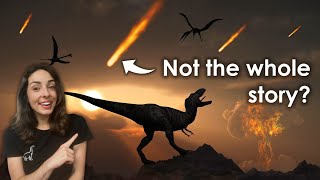
What Killed the Dinosaurs - The Series of Events Following the Asteroid Impact
Explore the catastrophic chain of events that led to dinosaur extinction, from the initial asteroid impact through global climate changes, and discover how life eventually recovered on Earth.
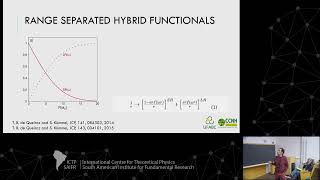
Revealing Mechanisms of Light Harvesting and Charge Separation in Molecular Systems
Explore mechanisms of light harvesting and charge separation in molecular systems, focusing on challenges for time-dependent density functional theory.
Light Production and Adaptive Morphodynamics in an Active Biological System
Explore single-cell bioluminescence, bioluminescent breaking waves, and adaptive photosynthetic material morphing. Discover how cells use metamaterial properties for efficient environmental adaptation.