
Innate Immunity - Complement System - Immunology
Comprehensive exploration of innate immunity and complement system, covering activation pathways, protein interactions, and immune responses. Ideal for medical students and professionals seeking in-depth immunology knowledge.

Water and Body Fluid Compartments
Explore water distribution in the body, focusing on intracellular and extracellular fluids, plasma, and interstitial space. Learn about edema and effective arterial blood volume.

Control of the Autonomic Nervous System - Baroreceptors, Juxtaglomerular
Explore autonomic nervous system control, baroreceptors, and juxtaglomerular apparatus. Learn about receptor types, agonists, antagonists, and blood pressure regulation mechanisms.

Embracing Complexity: Integrating Data for Predictive Disease Models
Explore how supercomputing and biology integration revolutionizes disease research, breaking linear thinking to uncover complex pathways and innovative treatments.
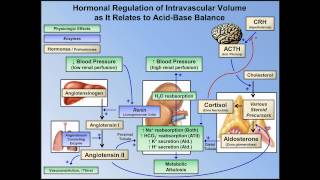
Metabolic Alkalosis - ABG Interpretation
Explore causes of metabolic alkalosis, including contraction alkalosis, diuretics, mineralocorticoid excess, and rare syndromes. Learn differential diagnosis techniques for this acid-base disorder.
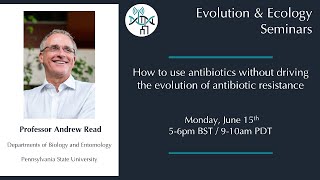
How to Use Antibiotics Without Driving the Evolution of Antibiotic Resistance
Explore strategies to combat antibiotic resistance, including novel approaches like competitive release and probiotic use, with insights from cutting-edge research and real-world applications.
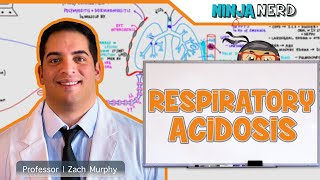
Respiratory Acidosis
Comprehensive exploration of respiratory acidosis, covering causes, physiological mechanisms, and treatment approaches. Ideal for medical students and healthcare professionals seeking in-depth understanding.

Neurology - Adrenergic Receptors
Comprehensive exploration of adrenergic receptors, their types, and effects on various organs when stimulated by norepinephrine and epinephrine, building on concepts from the sympathetic nervous system.

Antibiotics - DNA & RNA Synthesis Inhibitors
Explores DNA and RNA synthesis inhibition by antibiotics, detailing mechanisms of action and their impact on bacterial growth. Provides in-depth understanding of this crucial antibiotic strategy.

Antibiotics: Protein Synthesis Inhibitors
Explore protein synthesis inhibition by antibiotics in this comprehensive lecture, covering mechanisms and applications in microbiology and pharmacology.

The Reluctant Scientist: A Nobel Laureate's Journey Through Medicine and Research
Nobel laureate Dr. Lefkowitz shares his journey from reluctant scientist to groundbreaking researcher, exploring pivotal moments and lessons learned that led to his revolutionary work on G-protein coupled receptors.

Urinary System
Comprehensive overview of urinary system anatomy, physiology, and disorders, covering kidney functions, urine formation, common diseases, diagnostic tests, and treatment options.

Microbiology
Comprehensive exploration of microbiology, covering bacteria, viruses, immune responses, and various diseases, with a focus on mechanisms, treatments, and current health issues like COVID-19.
From Beach to Bench and Beyond - Venom’s Therapeutic Potential for Pain and Cancer
Explore venom's potential in pain management and cancer treatment, from marine snail toxins to innovative therapeutics. Learn about interdisciplinary research and science diplomacy.

History of Neuroscience - Julius Axelrod
Explore the life and groundbreaking discoveries of Nobel laureate Julius Axelrod in this archival interview, offering insights into his contributions to biochemistry and neuroscience.
Staphylococcus Aureus Diseases - Skin, Toxic Shock Syndrome, Food Poisoning - Microbiology
Comprehensive overview of Staphylococcus aureus-related diseases, including skin infections, toxic shock syndrome, and food poisoning. Covers pathogenesis, symptoms, and clinical implications for healthcare professionals.
Staphylococcus Aureus Characteristics - Microbiology and Infectious Diseases
Comprehensive overview of Staphylococcus aureus, covering its microbiological features and role in infectious diseases. Ideal for medical students and healthcare professionals.

The Adrenal Cortex - Endocrine Glands - Biology Lectures
Comprehensive overview of the adrenal cortex's structure, function, and hormones. Explores its role in the endocrine system and impact on various physiological processes.

Smooth Muscles Physiology and Myosin-Light Chain Kinase - Phosphatase
Explore smooth muscle physiology, focusing on myosin-light chain kinase and phosphatase mechanisms. Gain insights into the unique contractile properties and regulation of smooth muscle tissue.
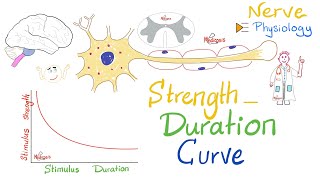
The Strength-Duration Curve - Nerve Physiology
Explore nerve excitability, action potentials, and the strength-duration curve. Learn about rheobase, chronaxie, and nerve structure for a comprehensive understanding of nerve physiology.
Vomiting - How Does It Protect You?
Explore the protective function of vomiting, its reflex mechanism, and the role of the chemotactic trigger zone in the medulla. Learn about antiemetics and related gastrointestinal physiology.