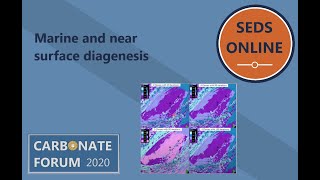
Marine and Near Surface Diagenesis in Carbonate Systems
Explore marine and near-surface carbonate diagenesis through expert presentations on biogeochemical drivers, karst geobody extraction, microporosity distribution, and petrophysical properties of calcitic and aragonitic deposits.
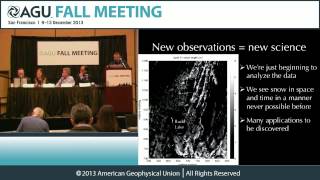
Snow Measuring Mission Reaps Big Benefits for California
Innovative airborne snow mapping system optimizes water management in California, enhancing reservoir operations and hydroelectric generation during severe drought conditions.
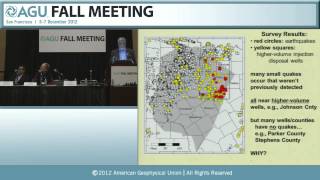
Natural or Man-Made? Triggers and Limits to Induced Earthquakes
Exploring the surge in Oklahoma earthquakes since 2010, scientists investigate potential links to hydraulic fracturing and present new findings on induced seismicity in Oklahoma and Texas.
Hydraulic Fracturing - The State of the Science
Explore the science, opportunities, and challenges of hydraulic fracturing with experts from USGS and partners. Learn about unconventional oil and gas resources and their impact on policy and resource management.
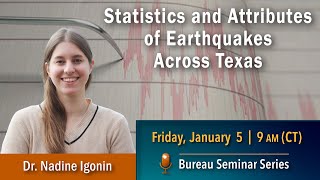
Statistics and Attributes of Earthquakes Across Texas
Explore Texas earthquake patterns, causes, and risks across major basins, examining man-made seismicity, injection types, and geological factors influencing unexpected seismic events.
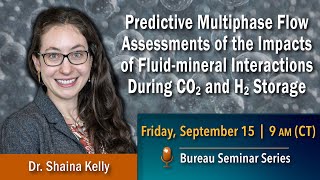
Predictive Multiphase Flow Assessments of Fluid-Mineral Interactions During CO2 and H2 Storage
Explore multiphase flow assessments for CO2 and H2 storage, combining experimental and numerical methods to evaluate fluid-mineral interactions and petrophysical implications in various rock types.
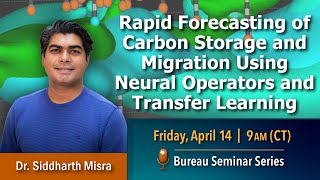
Rapid Forecasting of Carbon Storage and Migration using Neural Operators and Transfer Learning
Leverage Fourier Neural Operators and Transfer Learning to predict CO2 migration in storage reservoirs efficiently, reducing computational time and data requirements for accurate analysis.
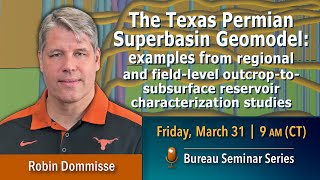
The Texas Permian Superbasin Geomodel: Examples from Reservoir Characterization Studies
Explore advanced techniques for building a comprehensive 3D geological model of the Permian Basin, integrating multidisciplinary workflows and detailed reservoir characterization studies.
Upscaling High-Resolution Core-Based Facies to Basin-Scale Stratigraphic Models
Learn to integrate core-based datasets with wireline logs using machine learning for upscaling high-resolution facies to basin-scale stratigraphic models in the Delaware Basin's Third Bone Spring Sand and Wolfcamp units.
Fluid Flow and Carbon Utilization in Unconventional Reservoirs
Explore fluid dynamics in shale reservoirs, focusing on multiphase flow, rock-fluid interactions, and carbon storage potential. Gain insights into permeability, wettability, and fracture-matrix interactions for enhanced oil recovery.
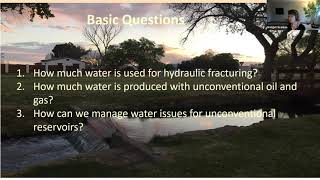
Reuse of Produced Water in Texas: Management Approaches and Challenges
Explore produced water management in Texas, focusing on volumes, reuse strategies, and environmental impacts in hydraulic fracturing operations.
Keynote Address on Earth, Energy, and Environment
Explore geomechanics and its crucial role in addressing global energy challenges with Stanford's Dr. Mark Zoback in this insightful keynote address.

Flow in Porous Media in the Energy Transition
Explore flow dynamics in porous media and its role in the energy transition with Dr. Martin Blunt from Imperial College London.

Seismic Velocity and Depth Conversion
Explore seismic velocity and depth conversion techniques in petroleum engineering, enhancing geological interpretation and petrophysical analysis skills.
Introduction to Seismic Exploration in Petroleum Engineering
Explore seismic exploration techniques, from survey types and wave theory to data acquisition, processing, and interpretation. Gain insights into upstream, midstream, and downstream activities in the petroleum industry.
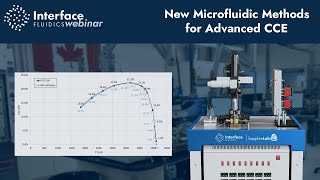
New Microfluidic Methods for Advanced CCE
Explore cutting-edge microfluidic techniques for PVT and CCE testing, extracting extensive data from minimal oil samples to enhance accuracy and efficiency in fluid analysis.
5 Crucial Gaps in Traditional Fluid Testing and HPHT Fluid Analysis for Improved Decision Making
Uncover gaps in traditional fluid testing and leverage HPHT analysis to enhance decision-making, mitigate risks, and optimize asset performance through expert insights and data verification.
Geomechanical Study in Northern Iraq - Petro Papers 1
Explore geomechanical studies in Northern Iraq with Dr. Hamed Soroush, focusing on practical applications and regional insights for petroleum engineering.
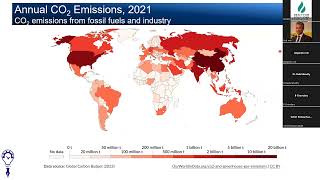
Underground CO2 Storage for Carbon Capture and Sequestration (CCS)
Explore underground CO2 storage for carbon capture and sequestration (CCS), understanding key concepts and technologies in this critical climate change mitigation strategy.

Carbonate Formation Evaluation
Explore advanced techniques for evaluating carbonate formations, enhancing reservoir characterization skills for improved oil and gas exploration and production.

Introduction to Mechanical Earth Modeling
Explore mechanical earth modeling essentials, from geological data to hydraulic fracturing, enhancing reservoir understanding and optimization strategies.