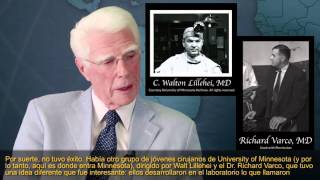
History of Medicine Series - Cardiac Surgery with Dr. Aldo Castaneda
Dr. Aldo Castañeda discusses the evolution of cardiac surgery, sharing insights from his pioneering career and the field's transformative impact on treating heart conditions in children and adults.

Hemodynamic Support in Pediatric Septic Shock
Expert insights on hemodynamic support strategies for pediatric septic shock, focusing on evidence-based approaches and current best practices in intensive care settings.

Pediatric Cardiac Arrest
Comprehensive overview of pediatric CPR, covering history, epidemiology, quality, post-resuscitation care, and new insights on duration and debriefing. Essential for healthcare providers treating critically ill children.
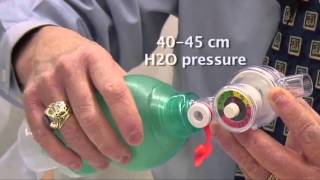
Non-Rebreather Mask and Manual Ventilation Bag
Comprehensive guide on non-rebreather masks and manual ventilation bags, covering features, proper usage, and different types of equipment for providing oxygen to patients in critical care settings.

Non-invasive Ventilation - Key Concepts
Explore key concepts, indications, and contraindications of non-invasive ventilation in pediatric critical care. Learn from expert insights to enhance patient care and clinical decision-making.

Status Epilepticus
Comprehensive overview of status epilepticus, covering definition, epidemiology, pathophysiology, and pharmacotherapy. Ideal for healthcare professionals seeking in-depth knowledge on managing this critical condition.
Shock by Dr. Tom Shanley, MD for OPENPediatrics
Explore physiologic factors, clinical identification, and management principles of shock etiologies. Includes key concepts, therapeutic approaches, and a practical case study for healthcare professionals.
Raised Intracranial Pressure & Central Nervous System Infections with Dr. Sunit Singhi
Expert insights on managing raised intracranial pressure and CNS infections in pediatric critical care, covering diagnosis, treatment strategies, and best practices for improved patient outcomes.
Pulmonary Hypertensive Vascular Disease - Pathobiology & Treatment with Jeff Fineman
Explore pulmonary hypertension's complexities in pediatrics, including its definition, pathobiology, and unique challenges. Learn about latest research and bedside approaches from an expert in the field.
Physiology & Management of Heart Failure in the ICU with Dr. Schwartz
Comprehensive overview of acute and chronic heart failure management in ICU settings, focusing on physiological aspects and treatment strategies for critically ill patients.
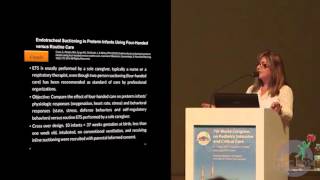
Endotracheal Suctioning: What Do We Really Know?
Explore evidence-based practices for endotracheal suctioning in pediatric intensive care, presented by an expert at a global congress. Learn current knowledge and best techniques for this critical procedure.
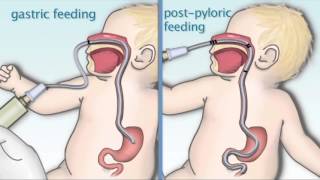
Effective Nutritional Therapy
Explore optimal nutritional therapy practices, including prescription methods, delivery routes, and maintenance strategies for critically ill children in various healthcare settings.

Current Understanding of Acute Lung Injury - World Shared Practice Forum
Dr. Slutsky discusses current understanding of acute lung injury, covering research in respiratory failure, ventilation techniques, and the impact of mechanical ventilation on lung injury and organ failure.
Concepts of Recruitment and Their Application in the Newborn
Explore key concepts of alveolar recruitment, including opening/closing pressures, superimposed pressure, and time dependence, with applications to newborn lung aeration and diffuse alveolar diseases.

Tight Glycemic Control with Dr. Michael Agus
Dr. Michael Agus discusses tight glycemic control in pediatric critical care, exploring its biological rationale, historical use, and potential benefits for critically ill children after cardiac surgery.
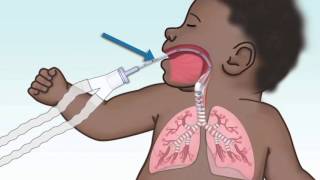
Therapies When Conventional Ventilation Fails
Explore advanced respiratory therapies including prone positioning, high frequency oscillatory ventilation, and surfactant administration for critically ill children when conventional ventilation is insufficient.

The Burden of Sepsis in Children
Explore global challenges in preventing and treating pediatric sepsis with insights from Dr. Tex Kissoon, former WFPICCS president, in this informative 42-minute presentation.
Clinical Effectiveness Committee - A Catalyst for Improving Care
Explore the implementation and effectiveness of Medical Emergency Teams (MET) in clinical practice, focusing on their role in enhancing patient care outcomes and overall healthcare quality.
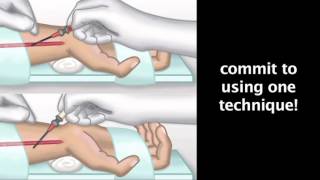
Arterial Line Placement
Comprehensive guide on arterial line placement, covering indications, contraindications, equipment, and techniques. Ideal for healthcare professionals seeking to enhance skills in continuous blood pressure monitoring.
Improved Survival in Congenital Heart Disease
Explores advancements in congenital heart disease treatment, focusing on improved survival rates, neurodevelopmental outcomes, and long-term quality of life for patients. Discusses challenges in adult congenital heart disease management.
ARDS- Identifying by Genotype
Explore genotype's role in ARDS identification, discussing definitions of genotype, phenotype, and endotype. Examine genetic studies and their potential for operationalizing ARDS diagnosis through genotyping.