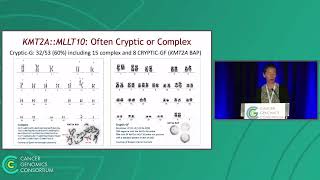
Frequency and Etiology of Cytogenetically Cryptic Oncogenic Fusions in Pediatric AML
Explore cytogenetically cryptic oncogenic fusions in pediatric AML, examining their frequency and etiology to enhance diagnostic accuracy and treatment approaches.
Fusion Curation Interface: An Educational Tool to Explore a Unified Framework
Explore a unified framework for representing and curating gene fusions using an educational tool designed for cancer genomics professionals.
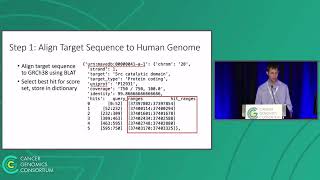
Mapping Variants from Multiplex Assays of Variant Effect to Human Reference Sequences
Learn to map variants from multiplex assays of variant effect (MAVEs) to human reference sequences, enhancing accuracy in clinical cancer genomics and improving patient diagnosis and treatment.
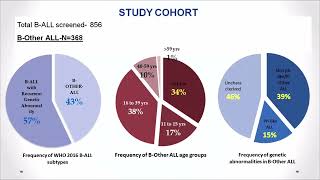
Clinical, Cytogenetic and Genomic Profiling of B-Other Acute Lymphoblastic Leukemia - An Indian Cohort Study
Explore clinical, cytogenetic, and genomic profiling of B-Other Acute Lymphoblastic Leukemia in an Indian cohort study. Gain insights into cancer genomics and its impact on accurate diagnosis and treatment.
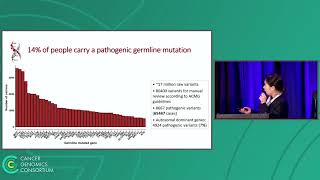
Association Between Clonal Hematopoiesis and Inherited Cancer Susceptibility Genes
Explore the link between clonal hematopoiesis and inherited cancer susceptibility genes in this concise presentation from the 2022 CGC Annual Meeting.
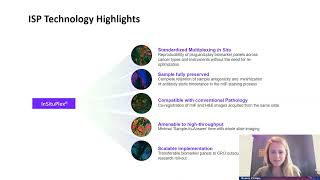
Innovative Biomarker Spatial Analysis for Comprehensive Tissue Immunophenotyping
Explore advanced tissue-based technologies for biomarker identification and disease prognosis using multiplex immunofluorescence assays and complex image analysis techniques.
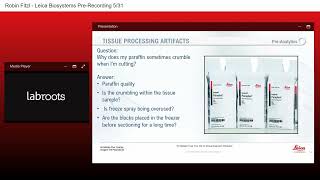
Lessons From The Laboratory - Tissue Processing Questions Answered
Explore tissue processing techniques and get expert answers to your questions. Gain valuable insights from a senior application specialist to enhance your laboratory skills.
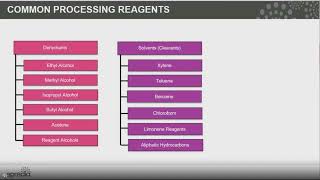
Science of Tissue Processing - Tidal vs. Rotational Processing
Explore tissue processing techniques, comparing tidal and rotational methods. Learn to improve sample preparation quality for faster, more accurate diagnoses in histology workflows.
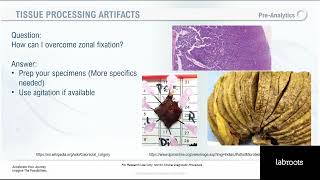
Lessons From The Laboratory: Your Tissue Processing Questions Answered
Gain expert insights on tissue processing techniques, from optimal steps to reprocessing specimens. Solve challenging dilemmas with guidance from a certified histologist's decade of experience.
Quantitative and Spatial Differences in Host Response Dynamics to SARS-CoV-2 Variants of Concern
Explore host response dynamics to SARS-CoV-2 variants, examining quantitative and spatial differences. Gain insights into diverse pathogen responses and their implications for respiratory disease research.
The Arenavirus-Host Cell Interface: At the Crossroads of Virus Replication, Host Cell Response and Pathogenesis
Explore the molecular determinants of pathogenesis in hemorrhagic fever-causing viruses, focusing on arenaviruses and their interaction with host cells. Gain insights into virus biology and host responses.

What Are CycleGANs? - A Novel Deep Learning Tool in Pathology
Explore CycleGANs for unpaired image conversion, including applications in pathology and microscopy. Learn model architecture, training, and inference through code demos and real-world examples.
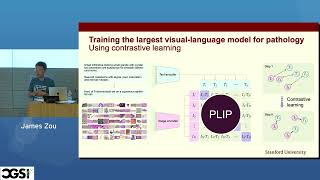
Leveraging Medical Twitter to Build a Visual Language AI Model for Pathology
Explore leveraging medical Twitter data to develop a visual language AI model for pathology, enhancing tumor microenvironment characterization and spatial gene expression analysis.
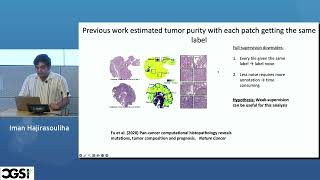
Applications of Deep Learning in Digital Pathology and Embryology - CGSI 2023
Explore deep learning applications in digital pathology and embryology, focusing on AI-driven blastocyst ploidy prediction and tumor purity assessment from H&E slides.

Detect and Prevent Alzheimer's Disease Before Memory Loss
Explore groundbreaking research on early Alzheimer's detection using PET scans, offering hope for preventive therapies and insights into the disease's progression before memory loss occurs.
Cardiology Cases - Physiology and Pathology
Comprehensive review of cardiology cases covering physiology and pathology, ideal for medical students preparing for USMLE and other medical board exams.
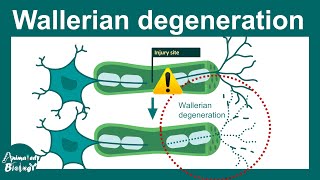
Wallerian Degeneration: Molecular Mechanisms and Processes
Explore the molecular mechanisms of Wallerian degeneration, a crucial process in nerve injury and regeneration. Gain insights into this complex biological phenomenon.
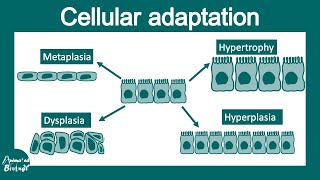
Cellular Adaptations: Hypertrophy, Hyperplasia, Atrophy, and Metaplasia - USMLE Step 1
Explore cellular adaptations: hypertrophy, hyperplasia, atrophy, and metaplasia. Gain fundamental knowledge for USMLE Step 1 preparation through clear explanations and visual aids.
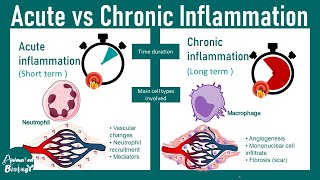
Acute vs Chronic Inflammation - Differences and Characteristics for USMLE Step 1
Explore key differences between acute and chronic inflammation, essential for understanding immune responses and disease progression in medical studies.
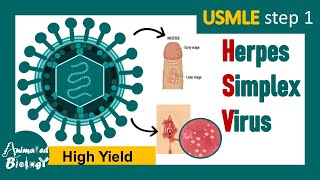
Herpes Simplex Virus (HSV) - Infection, Pathogenesis, Diagnosis, and Treatment
Explore Herpes Simplex Virus: infection mechanisms, pathogenesis, diagnostic methods, and treatment options. Gain comprehensive understanding of HSV and its clinical implications.
AI in Healthcare
Explore AI applications in healthcare, from cancer screening to genomics, addressing challenges like bias and model limitations for improved patient care and equitable outcomes.