
Prime Time Alive- Fall Prevention and Safety in the Home
Learn strategies to prevent falls and enhance home safety for older adults, covering key areas like bathrooms, kitchens, and stairs, as well as assistive devices and general safety tips.

Causes & Prevention of Falls
Explore causes of falls, including gait disorders, frailty, and neurological conditions. Learn prevention strategies, risk assessment, and the importance of exercise and medication review.
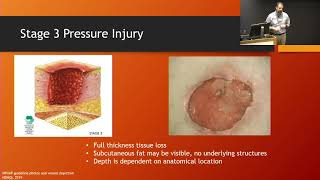
Wound Care - A Team Approach and An Overview of Hyperbaric Oxygen Therapy
Comprehensive overview of wound care approaches, including hyperbaric oxygen therapy. Explores pathophysiology, treatment roles, innovative techniques, and future developments in wound management.

Utilizing Mindfulness as a Stress Reduction Tool
Explore mindfulness techniques and Reiki for stress reduction in healthcare settings, learning practical methods to benefit both nurses and patients.

Challenges in Mechanical Ventilation - Patient-Ventilator Synchrony
Dr. Kacmarek explores patient-ventilator synchrony, covering types of asynchrony, effects of ventilation modes, and clinical significance. Gain insights into improving respiratory care outcomes.

Tumor Lysis Syndrome - Dr. Andrew L. Hong for OPENPediatrics
Comprehensive overview of tumor lysis syndrome, covering pathophysiology, clinical findings, prevention, and management. Includes case studies for practical application in pediatric oncology.
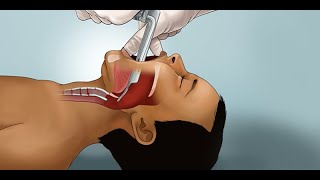
Pediatric Endotracheal Intubation
Comprehensive guide to pediatric orotracheal intubation, covering indications, anatomy, equipment, procedure, complications, and aftercare. Includes simulations and animations for effective learning.

Steroids and Septic Shock: A Tale as Old as Time
Comprehensive exploration of corticosteroid use in pediatric septic shock, covering pathophysiology, risks, benefits, and treatment approaches. Ideal for healthcare professionals seeking evidence-based insights.
Advantages and Disadvantages of Biomarker-Based Endotyping for Critical Care
Explore biomarker-based endotyping in critical care: advantages, limitations, and future prospects for sepsis and ARDS research, with insights from pediatric and adult studies.

Boot Camps and Critical Care - The Future of Medical Training
Dr. Nadkarni explores the evolution and future of critical care fellow training, focusing on boot camps and orientation programs. He discusses methodologies, trends, and strategies for effective medical education.
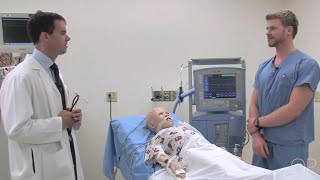
Management of the Intubated Asthmatic Patient
Comprehensive guide on managing intubated asthmatic patients, covering ventilator settings, hypercarbia, hemodynamics, medications, weaning, and extubation readiness. Essential for pediatric critical care providers.

Speaking About Life and Death in the NICU - Annie Janvier for OPENPediatrics
Dr. Janvier discusses ethical approaches to communicating with parents of critically ill children in the NICU, emphasizing personalized information and understanding parental perspectives for improved end-of-life care.
Protocols and Guidelines in Acute Care - 2019 in Memoriam
Explore guidelines, protocols, and bundles in acute care with Dr. Kavanagh. Learn about their implementation, potential consequences, and effectiveness in improving patient outcomes and healthcare practices.

Pediatric Delirium - Impact and Opportunities
Comprehensive overview of pediatric delirium in PICU: causes, detection, impact, and prevention strategies. Equips healthcare providers with knowledge to improve patient outcomes and reduce delirium rates.
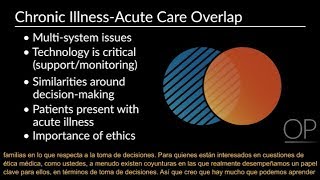
The Role of Critical Care for Children with Special Healthcare Needs
Explore best practices for managing children with chronic critical illnesses in ICUs, including patient populations, current research, and strategies for healthcare providers.

Feeding the Critically Ill Child
Comprehensive overview of nutrition for critically ill pediatric patients, covering assessment methods, challenges, and strategies to optimize nutrient delivery in intensive care settings.
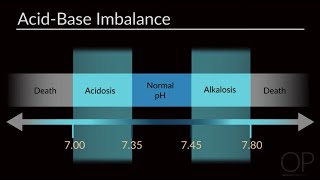
Interpreting Arterial Blood Gases - ABGs
Comprehensive guide to interpreting arterial blood gases, covering normal ranges, acid-base imbalances, and case studies. Ideal for healthcare professionals seeking to enhance diagnostic skills in critical care settings.

Biomarkers and Enrichment for Sepsis Trials
Explore biomarkers and enrichment strategies for sepsis trials, focusing on the PERSEVERE risk model and its application in clinical research and patient stratification.
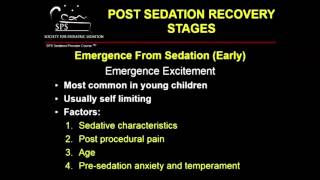
Post-Sedation Recovery and Discharge
Comprehensive guide on post-sedation recovery, covering key safety elements, monitoring stages, discharge criteria, and special considerations for pediatric patients.

Advancing the Science and Practice of Critical Care Nursing
Explore the impact of nursing education and experience on pediatric ICU patient outcomes, with insights on staffing models, mentorship, and retention strategies.

Update on Mechanical Ventilation of the Child - Part I
Comprehensive overview of mechanical ventilation in children, covering key concepts, interpretation, and practical applications. Led by expert Dr. Rimensberger, focusing on pressure-limited ventilation and recruitment maneuvers.