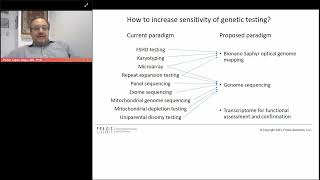
The Advantage of Combining Short Read Whole Genome Sequencing, Optical Genome Mapping and Transcriptome Analysis in Constitutional and Cancer Diagnostics
Explore the benefits of combining short read whole genome sequencing, optical genome mapping, and transcriptome analysis for improved constitutional and cancer diagnostics.
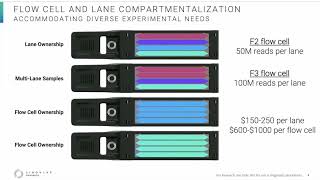
Accelerating Research with Fast, Flexible, and Cost-Efficient Next-Generation Sequencing on the G4 Platform
Explore fast, flexible, and cost-efficient next-generation sequencing on the G4 platform. Learn about core NGS applications and their data from an expert in computational biology and immunology.
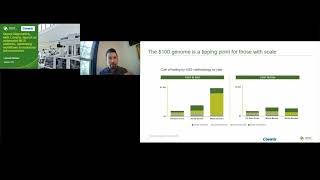
Quest Diagnostics with Covaris Launches Automated NGS Platform - Optimizing Workflows to Maximize Lab Economics
Explore advancements in automated NGS platforms and optimized workflows for improved lab economics in genomics and oncology, featuring insights from industry experts.
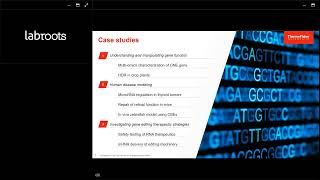
Expanding the Frontiers of Gene Editing: The Role of Genotypic Confirmation
Explore gene editing frontiers and genotypic confirmation's role in cellular physiology research, disease understanding, and treatment development. Gain insights into precision genome engineering techniques.

High-sensitivity, Targeted NGS Variant Detection of Viral and Bacterial Pathogens - A Novel Solution for Healthcare and Environmental Surveillance and Research
Explore targeted NGS variant detection for viral and bacterial pathogens, enhancing healthcare and environmental surveillance with high-sensitivity solutions.
Advances in Targeted Sequencing - Accelerate Your NGS Workflows with New QIAseq Chemistry
Discover how new QIAseq chemistry accelerates NGS workflows for targeted sequencing, enhancing efficiency and productivity in genomic research.
Machine Learning Techniques for Omics Data Analysis
Explore machine learning applications in Next Generation Sequencing data analysis, focusing on key techniques for processing biological data from cells, tissues, and organisms.
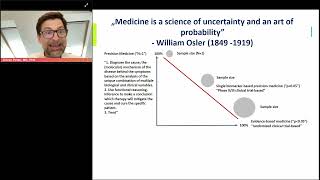
AI in Precision Oncology: Personalized Treatment Ranking Based on Molecular Information
Explore AI-driven personalized cancer treatment ranking using comprehensive molecular data. Learn about innovative computational methods for precision oncology and targeted therapy selection.

The Future of Personalized Medicine - TEDMED Great Challenges
Explore the future of personalized medicine, its potential to revolutionize healthcare, and the challenges it faces in implementation, regulation, and patient adoption.
Combating Infectious Diseases With Next-Generation Sequencing - Charles Chiu - TED - 2016
Next-gen sequencing accelerates diagnosis of mysterious infectious diseases, enabling faster life-saving treatments. Learn about metagenomics, nanopore sequencing, and real-time sequencing applications.

The Promise of Precision Medicine
Explore the revolutionary impact of precision medicine on healthcare, addressing access, data governance, and ethics with industry leaders and policymakers.

Antibiotic Resistant Bacteria
Explore the NIH's battle against antibiotic-resistant Klebsiella pneumoniae using DNA sequencing. Learn about outbreak tracing, infection control, and the challenges of combating this urgent threat in hospitals.
Automated IDT xGen Hybridization Capture of DNA Libraries on Biomek i7 Hybrid Genomics Workstation
Automate IDT xGen™ hybridization capture for uniform coverage and robust performance. Learn to generate reproducible targeted NGS libraries using Biomek i7 automation for efficiency and consistency.
The Future of Personalized Genomics: Advancing Hematology Research with NGS
Explore next-generation sequencing's role in advancing hematology research and personalized genomics for improved patient outcomes.
Comprehensive Methylation Profiling from Low-Input Samples Using the xGen Methyl-Sequencing Workflow
Explore efficient and accurate methylation profiling tools for low-input samples with IDT's xGen™ Methyl-Sequencing Workflow.
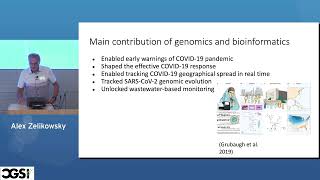
Analysis of SARS-CoV-2 Sequencing Data
Explore advanced techniques for analyzing SARS-CoV-2 sequencing data, including haplotype assembly, phylogeny reconstruction, variant identification, and network representation of genomic information.
Challenges in Developing a Universal Metagenomic Diagnostic Test - 2024
Explore challenges in creating a universal metagenomic diagnostic test for disease detection, focusing on scalability, sensitivity, and application in community surveillance.
Unlocking the Potential of Ultra-Low Frequency Variant Identification for Cancer Research
Explore advanced techniques for identifying ultra-low frequency variants in cancer research, enhancing biomarker discovery and personalized treatment strategies.
Overcome Challenges in Cancer Research with xGen NGS Solutions for Oncology and MRD Research
Explore advanced NGS solutions for cancer and MRD research, enhancing library complexity and offering customizable hybridization capture approaches.
Identifying Clinically Relevant Mutations in Somatic NGS Testing
Discover how to effectively identify and interpret clinically significant mutations in NGS cancer testing, focusing on practical approaches to overcome data interpretation challenges in precision medicine.

What taking health tests taught me about our future | David Ewing Duncan | TEDxMIT
I've been a human guinea pig taking every health test possible that doesn't hurt me over the past 25 years. What have I have learned about my health—present and future—and what does this mean for you? David Ewing Duncan is an award-winning science and technology journalist, researcher, and entrepren