Decoding the Brain - Advances in Neuroscience and Mind Manipulation
Explore recent advances in neuroscience with leading experts, uncovering how the brain processes memories, speech, and attention, and the potential to manipulate these functions.
Brain Machine Interfaces - Master Class
Pioneering neuroscientist Miguel Nicolelis explores brain-machine interfaces, demonstrating how brain activity can control neuroprosthetic devices and enable synchronistic collaboration between animals and humans.
Human-AI Symbiosis and the Quest for Neurorights
Explore ethical challenges of human-AI integration through neural interfaces. Discover the importance of neurorights in shaping a future where technology enhances human capabilities without compromising fundamental freedoms.

Revolutionary P-300 Forensic Neuro Technology for National Security
Explore P-300 brain-computer interfaces for forensic applications in national security, including guilty/innocent classification and healthcare, with insights from Dr. Laxmidhar Behera.
Wearables That Tap the Mind - Thync's Mind-Bending Technology
Explore groundbreaking wearable technology that interacts with the mind, presented by Thync at Web Summit. Discover how this innovative device could revolutionize our approach to mental well-being and cognitive enhancement.

Mind-Blowing Neurotech - Advancements in Brain-Computer Interfaces
Explore revolutionary advancements in brain-computer interfaces, from aiding paralysis patients to treating PTSD. Visionaries discuss current possibilities and future trajectories of merging human biology with cutting-edge technology.
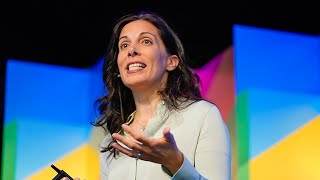
Tracking and Hacking the Brain - Implications for Freedom and Technology
Explore the future of brain-computer interfaces, their potential benefits, and ethical concerns as we enter an era where decoding thoughts and controlling technology with brainwaves becomes possible.
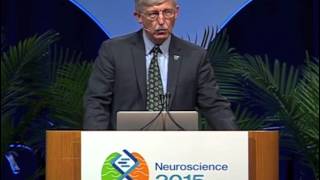
Embracing an Era of Unprecedented Advances in Neuroscience
Explore NIH's role in the BRAIN Initiative, developing technologies for dynamic brain imaging in health and disease, and opportunities for neuroscientists to address cross-disciplinary challenges.
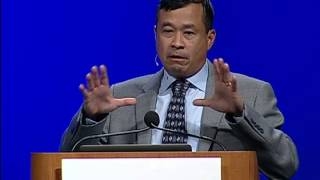
Understanding New Brain Initiatives in the U.S. and Europe - Neuroscience 2013 Special Presentation
Panel discussion exploring emerging neuroscience projects in the U.S. and Europe, focusing on recent investments, scientific priorities, and policy implications for advancing brain research initiatives.
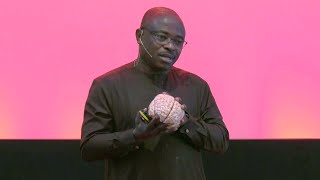
Demystifying the Brain Through NeuroEducation
Explore neuroeducation's potential to unlock the mind's mysteries. Discover how brain literacy and neurotechnologies can empower individuals and transform education, from primary schools to global forums.
Brain-Machine Interfaces in Medical Therapy
Explore the revolutionary potential of brain-machine interfaces in medical therapy, combining IT, machine learning, and nanotechnology to enhance our understanding of the brain and reduce human suffering.
The Need for Responsible Neurotechnology
Explore the ethical implications of brain-computer interfaces and their potential to revolutionize mental health management, as discussed by legal scholar Dr. Jan Christoph Bublitz.

Brain-Computer Interface Revolution - Current State and Future Possibilities
Experts explore brain-computer interfaces' potential to restore function in neurological conditions, discussing current applications and future possibilities of this transformative technology.

Human Attention and Communication Mediated via Machine Learning
Explore wavelets' role in modeling vision, extracting brain activity patterns, and detecting neural markers of attention. Learn how machines can measure attention for novel human communication methods.
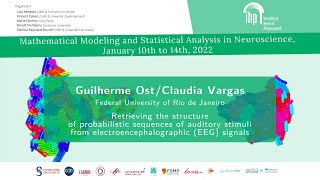
Retrieving the Structure of Probabilistic Sequences of Auditory Stimuli from EEG Signals
Explore EEG signal analysis to uncover probabilistic structures in auditory stimulus sequences, enhancing understanding of brain responses to complex sound patterns.
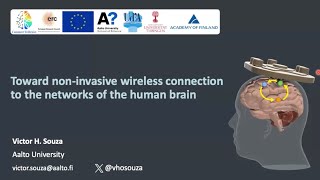
Toward Non-Invasive Wireless Connection to Human Brain Networks with Robotic-Guided Multi-Channel TMS
Explore non-invasive wireless brain-network connections using robotic-guided multi-channel TMS in this cutting-edge neuroscience seminar by Dr. Victor Souza.
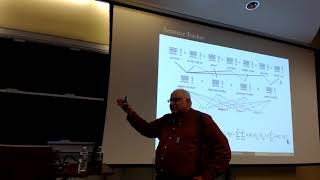
Decoding the Brain to Help Build Machines - 2017
Explore groundbreaking research on the vision-language-motor interface in the human brain and its application to computer systems, including object tracking, robot navigation, and game-playing.
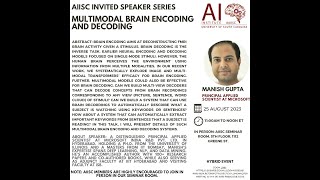
MultiModal Brain Encoding and Decoding
Explore multimodal brain encoding and decoding techniques with Dr. Manish Gupta, delving into cutting-edge research in neuroscience and artificial intelligence.
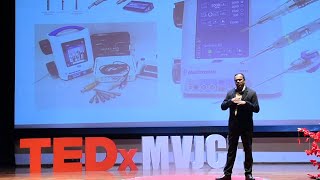
Engineering the Mind: Bridging Neurosurgery and Technology
Explore the revolutionary fusion of neurosurgery and technology with Dr. Raghuram G. Discover how engineering advancements are transforming healthcare, enhancing surgical precision, and shaping the future of medical innovation.
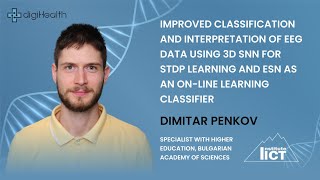
Enhanced EEG Data Classification with 3D SNN and Online Learning ESN
Discover a novel hierarchical neural network architecture that combines 3D spiking neurons and Echo state networks for advanced EEG data classification and real-time brain signal interpretation.
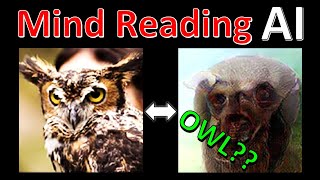
Deep Image Reconstruction from Human Brain Activity
Explores innovative technique for reconstructing visual imagery from brain activity using fMRI and deep neural networks, demonstrating potential for "mind-reading" technology and insights into neural representations.