Stroke Syndromes - CRASH! Medical Review Series
Explore key stroke syndromes, their clinical presentations, and diagnostic approaches in this concise medical review for physician licensing exam preparation.
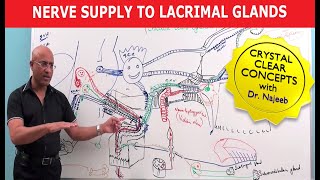
Nerve Supply to Lacrimal Glands - Neuroanatomy
Comprehensive exploration of lacrimal gland innervation, covering brainstem pathways, nerve bundles, and sensory fibers. Enhances understanding of neuroanatomy for medical students and professionals.
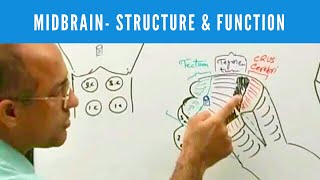
Midbrain - Structure & Function - Neuroanatomy
Comprehensive exploration of midbrain anatomy, including structure, function, and clinical relevance. Covers key components like colliculi, substantia nigra, and cerebral peduncles, with insights into related neurological disorders.
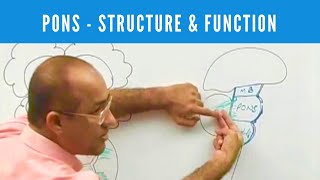
Pons - Structure & Function - Neuroanatomy
Comprehensive exploration of the pons structure and function in neuroanatomy, covering its location, associated cranial nerves, and external anatomy from multiple perspectives.
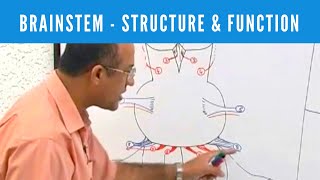
Brainstem - Structure & Function - Neuroanatomy
Comprehensive exploration of brainstem anatomy, including structure, function, and cranial nerve pathways. Detailed examination of midbrain, pons, medulla, and associated neural connections.

Hypothalamus - Structure & Function - Neuroanatomy
Comprehensive exploration of hypothalamus anatomy and physiology, covering structure, weight, and key components. Ideal for medical students seeking in-depth neuroanatomical understanding.
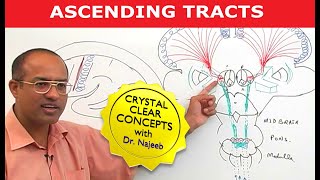
Ascending Tracts - Spinothalamic Tract - Spinocerebellar Tract
Comprehensive exploration of ascending tracts in the central nervous system, focusing on spinothalamic and spinocerebellar pathways, their functions, and anatomical structures.

Introduction to Neuroanatomy - Neuroscience - Neurophysiology
Comprehensive introduction to neuroanatomy, covering central and sensory nervous systems, special senses, somatic sensations, and proprioception. Ideal for medical students and professionals seeking in-depth understanding of neural structures and functio…

Spinothalamic Tract - Ascending Tracts - Spinocerebellar Tract - Neuroanatomy
Comprehensive exploration of central nervous system sensory pathways, covering tract types, receptors, spinal cord anatomy, and specific tracts like spinothalamic and spinocerebellar.

Vestibulo Ocular Reflex - Neuroanatomy
Explore the vestibulo-ocular reflex and its neuroanatomy, including the vestibular apparatus, semicircular canals, and neural pathways involved in maintaining visual stability during head movements.

Anatomy of Cerebellum - Structure and Function - Neuroanatomy - Neuroscience
Comprehensive exploration of cerebellar anatomy, function, and connections, covering embryology, structural components, motor system integration, and detailed neuroanatomy of cerebellar pathways.

Basal Ganglia - Structure and Function - Neuroanatomy
Comprehensive exploration of basal ganglia structure, function, and related disorders. Covers anatomy, pathways, neurotransmitters, and clinical implications, including Parkinson's and Huntington's diseases.

Intro to Neuroanatomy - Neurophysiology - Neuroscience - Central Nervous System
Comprehensive exploration of neuroanatomy, covering nervous system structure, functions, and classifications. Delves into sensory and motor systems, CNS divisions, and cellular components.

Causes of Hydrocephalus - What Is Going on in the Brain - Dr Najeeb
Comprehensive overview of hydrocephalus causes, including CSF overproduction, circulation abnormalities, and blockages. Explores various factors affecting cerebrospinal fluid dynamics in the brain.

Mapping Neural Connections and Their Development II
Explore neural connectivity mapping and developmental processes in the brain, focusing on advanced techniques and recent findings in neuroscience research.

Anatomy of the Brain - Model
Comprehensive exploration of brain anatomy using a model, covering key structures and their functions. Ideal for students and enthusiasts seeking a visual understanding of neuroanatomy.

Ascending Tracts - Spinocerebellar Tract
Comprehensive exploration of spinocerebellar tract anatomy, including ventral, lateral, and cuneocerebellar components. Covers stimuli, pathways, and functional differences between tract types.

Neurology - Abducens Nerve: Cranial Nerve VI
Comprehensive exploration of the abducens nerve, covering its anatomy, function, and clinical implications. Ideal for medical students and professionals seeking in-depth neurological knowledge.

Neurology - Facial Nerve: Cranial Nerve VII
Comprehensive exploration of facial nerve anatomy, including branches, fiber types, and target organs. Covers associated pathologies and clinical correlations for a deep understanding of Cranial Nerve VII.
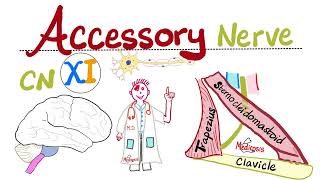
Accessory Nerve - The 11th Cranial Nerve - Neuroanatomy
Explore the anatomy and function of the accessory nerve, including its cranial and spinal roots, and its role in controlling the trapezius and sternocleidomastoid muscles.
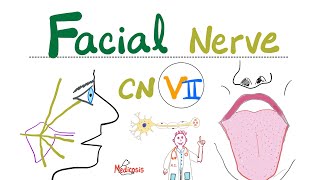
Facial Nerve - 7th Cranial Nerve - Chorda Tympani, Submandibular Ganglion - Neuroanatomy
Comprehensive exploration of the facial nerve's anatomy, functions, and clinical implications, covering its course, branches, and associated structures in neuroanatomy.