
Elixir, Phoenix LiveView & Erlang - Expert Talk
Explore Elixir's versatility with experts Sophie DeBenedetto and Andrea Leopardi, discussing Phoenix LiveView for dynamic web solutions and Elixir's network programming capabilities on the BEAM virtual machine.
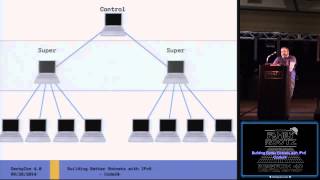
Building Better Botnets with IPv6
Explore advanced techniques for creating resilient and efficient botnets using IPv6, focusing on code optimization and network infrastructure improvements.
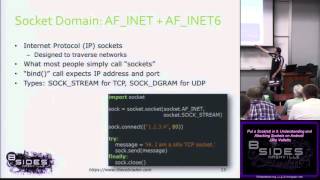
Put a Socket in It - Understanding and Attacking Sockets on Android
Explore Android socket programming, security implications, and techniques for identifying and analyzing sockets. Learn about different socket types and their uses in Android development.
Netty, the IO Framework That Propels Them All
Explore Netty, a powerful IO framework driving high-performance network applications. Learn its architecture, features, and best practices for efficient development.

Boost.Asio and Boost.Serialization - Design Patterns for Object Transmission
Explore C++ network programming using Boost.Asio and Boost.Serialization for efficient object transmission, covering complex data structures, serialization techniques, and asynchronous communication patterns.
Why C++0x is the Awesomest Language for Network Programming
Explore cutting-edge C++0x features and Boost.Asio for creating efficient, expressive network programs. Learn advanced techniques for asynchronous operations, memory management, and server-side development.
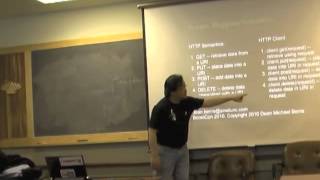
Techniques in Flexible Header-Only C++ Network Library Implementations
Explores techniques for creating flexible header-only C++ network libraries, focusing on cpp-netlib's modular design, generic programming principles, and implementation of key components like message types and URI parsers.
Dynamic Encapsulation Using eBPF
Explore advanced network encapsulation techniques using eBPF, enhancing packet processing and network performance in Linux systems.
Bringing TSO/GRO and Jumbo Frames to XDP
Explore advancements in XDP networking: TSO/GRO implementation and Jumbo frame support. Learn about performance improvements and challenges in high-speed packet processing.

Networks and Types - the Future of Akka
Explore the future of Akka with insights on networks and types, focusing on advancements in distributed systems and type-safe communication for robust, scalable applications.
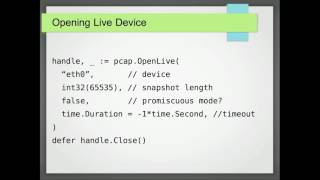
Packet Capture, Analysis, and Injection with Go
Explore packet capture, analysis, and injection in Go. Learn GoPacket library, network protocols, and practical techniques for working with network traffic.
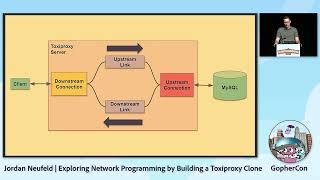
Exploring Network Programming by Building a Toxiproxy Clone
Explore network programming in Go by building a Toxiproxy clone. Learn about sockets, channels, goroutines, and TCP stream manipulation for chaos testing and application resilience.
GRO Library Enhancements - Optimizing Flow Processing and Timeout Configuration
Discover optimization techniques for DPDK's GRO library through hash-based solutions and configurable timeout implementations for enhanced network packet processing efficiency.

Continuous Packet Offloading with Update Rule in DPDK
Discover how to implement atomic updates in DPDK rte_flow rules using the new actions_update() API, ensuring zero packet loss during rule modifications and steering operations.
How to Write and Run Tests in the New DPDK Test Framework
Discover how to create and implement test suites in DPDK's new testing framework, including API usage, suite creation, and practical demonstrations.
Challenges Faced When Building Various DPDK-based Applications
Explore real-world challenges and solutions in migrating Linux networking applications to DPDK, focusing on performance optimization and practical implementation strategies.
Combining Rust and DPDK: Security, Stability, and Performance Optimization
Explore how Rust APIs can enhance DPDK functionality through improved security, user experience, and performance optimization while processing network packets efficiently.
ABI Versioning Explained - A Guide to API Stability in DPDK
Dive into ABI versioning techniques for DPDK, exploring implementation methods, stability maintenance, and practical examples across different CPU architectures.
DPDK PMD Live Upgrade - Optimizing Application Migration with Minimal Downtime
Discover how to minimize traffic downtime during DPDK application upgrades using new APIs for seamless state transitions between old and new applications.
Rte_flow Match with Comparison Results in DPDK Traffic Management
Discover advanced packet matching techniques in DPDK rte_flow using RTE_FLOW_ITEM_TYPE_COMPARE for flexible traffic management with comparative operations and conditional matching capabilities.
DPDK Thash: Principles and Appliances
Discover the principles and practical applications of DPDK thash library, focusing on network stack integration, performance optimization, and scalability improvements for TCP connections.