
A Bayesian Model of Cash Bail Decisions
Explore a Bayesian approach to modeling cash bail decisions, examining the factors influencing judicial determinations and their implications for fairness in the criminal justice system.
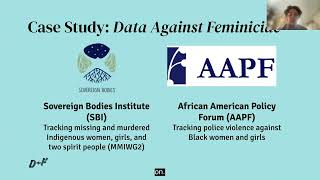
Towards Intersectional Feminist and Participatory ML - A Case Study in Supporting Feminicide Counterdata Collection
Explore intersectional feminist approaches to machine learning through a case study on feminicide data collection, addressing biases and promoting participatory methods.
Upscaling and Automation - New Opportunities for Multiscale Systems Modeling
Explore automated upscaling techniques for multiscale systems modeling, focusing on Symbolica software for rapid model development in complex energy and geologic systems.
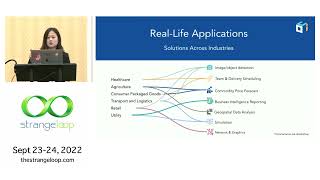
Level Up Your Machine Learning Lifecycle
Discover a scalable ML lifecycle framework that simplifies end-to-end projects, reduces development time, and enhances code quality through modular design across data, model, and deployment stages.
Using Scikit-Learn's Interface for Turning Spaghetti Data Science into Maintainable Software
Learn to structure data science code using Scikit-Learn's estimator and meta-estimator interfaces. Discover how to transform spaghetti code into maintainable, testable, and reusable machine learning models.

Threat to Life - Preventing Planned Murders with Python
Explore how Python-based deep learning models are used to detect life-threatening messages in intercepted communications, aiding law enforcement in preventing violent crimes and protecting potential victims.
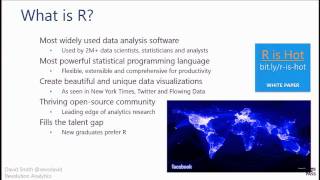
Real-Time Big Data Analytics with R
Explore real-time big data analytics using R, covering data distillation, model development, validation, deployment, refresh, and scoring. Learn to integrate R with Hadoop and database systems.

Modern Data Science in a Cloud Native World
Explore cloud-native data science pipelines using Kubernetes and Pachyderm. Learn to develop, test, deploy, and scale data workflows while implementing data versioning for enhanced tracking and GDPR compliance.
Serving Machine Learning Models at Scale Using KServe
Explore KServe's Multi-Model Serving solution for scalable machine learning deployment, addressing resource limitations and enabling efficient GPU utilization in Kubernetes clusters.
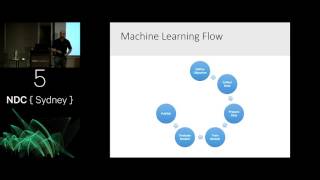
Azure Machine Learning for the Developer
Learn Azure Machine Learning fundamentals and how to leverage cloud-based predictive models. Discover the potential and ease of implementing machine learning in your software development projects.

AutoML의 현재와 미래 - 산업 현장에서의 실제 활용 사례
Discover how AutoML technology evolved from a buzzword to an essential industrial tool, exploring its current applications and future challenges at SK Group through real-world implementation cases.
Model Openness Framework: The Path to Openness, Transparency and Collaboration in Machine Learning Models
Explore the Model Openness Framework, a system for rating machine learning models based on openness and completeness, promoting transparency and collaboration in AI development.

Where Did My Model Go Wrong? Toolkits of Interpretability, Bias and Fairness to the Rescue
Explore techniques to identify and correct biases in machine learning models, interpret results, and ensure fair outcomes in model development and deployment.

A Ray-based ML Platform for Early Cancer Detection
Explore how Ray enhances scalability and efficiency in machine learning for early cancer detection, focusing on improved model development and evaluation for potential diagnostic applications.
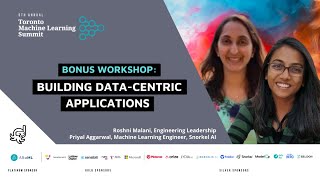
Building Data-Centric Applications with Federated Learning
Explore federated learning to overcome data silos and enhance machine learning models. Learn benefits, challenges, and practical applications in a hands-on environment.