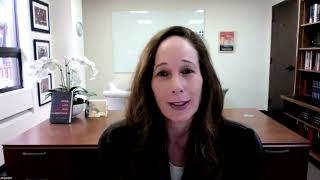
Amy Zegart - Spies, Lies, and Algorithms
Explore the evolving landscape of intelligence in the digital age, examining challenges, emerging technologies, and the democratization of espionage in our interconnected world.
Regulating Problematic Behaviors Through Environmental Change - Stanford Seminar
Explore how social environments shape misinformation exposure and out-party animosity, and learn strategies for designing interventions to reduce problematic behaviors.
Stanford Seminar - Emerging Risks and Opportunities From Large Language Models
Explore privacy concerns, disinformation risks, and discriminatory shortcuts in large language models. Gain insights on potential harms and brittleness through case studies presented by Stanford's CS professor.
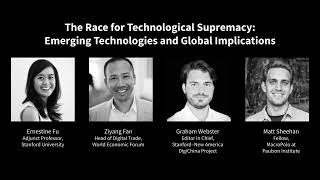
The Race for Technological Supremacy - Emerging Technologies and Global Implications
Explore global tech competition, emerging technologies' impact, and policy challenges with experts discussing AI, data privacy, and US-China dynamics in the digital age.
Scoring News Articles to Fight Misinformation
Explore an AI-driven approach to automatically score news articles, enhancing journalistic quality and combating misinformation through innovative pricing and content curation strategies.
The Machineries of Doubt & Disinformation
Explore the machinery of doubt and disinformation in science and politics, from tobacco to climate change. Learn about tactics used to spread misinformation and challenges in maintaining informed skepticism in the digital age.

Stanford Health Care Dietitian Discusses Organic Versus Conventional Foods
Explore organic vs. conventional foods, their impact on health, cancer prevention, and debunk nutrition myths. Learn evidence-based guidelines for healthy eating and lifestyle choices.
Reducing Misinformation Sharing at Scale Using Digital Accuracy Prompt Ads - Stanford Seminar
Exploring content-neutral interventions to reduce misinformation sharing through large-scale experiments on Facebook and Twitter, demonstrating the potential of accuracy prompts in digital ads.
AI's Global Impact on Democracy and Governance
Explore AI's influence on global democracy, disinformation, and governance. Learn about challenges and strategies to ensure democratic values prevail in the digital age.

Disinformation Teach-Out
Explore disinformation's impact, learn to identify credible sources, and develop critical thinking skills to navigate today's complex information landscape.

Media Matters - How Reporting Shaped the COVID-19 Pandemic
Exploring media's impact on pandemic reporting: challenges, lessons, and roles. Experts discuss objectivity, misinformation, and balancing public health with journalism during COVID-19 in Australia.
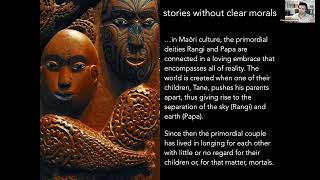
Collective Convictions Catalyse Cooperation
Explore how shared beliefs drive cooperation, examining adaptive value, transitions, and neutral steps in collective behavior, with insights on narratives and group dynamics.
Reasons Why Social Networks Make Us Vulnerable to Misinformation
Explore how cognitive, social, and algorithmic biases in social networks make us susceptible to misinformation, and learn about efforts to counter online opinion manipulation.
Calling Bullshit: The Art of Skepticism in a Data-Driven World
Learn to navigate the tidal wave of misinformation in our data-driven world. Discover techniques for skepticism, identifying fake news, and understanding the role of networks in spreading disinformation.
Global Democracy and Technology - AI and Evolving Complexity in the 2024 Elections
Explore the evolving role of AI in global election management, its impact on democracy, and the emerging algorithmic systems shaping electoral processes worldwide in 2024 and beyond.
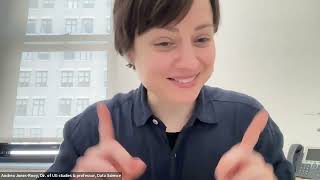
Trading Privacy for Convenience in the Age of Technology - Part 2
Explore privacy challenges in the digital age with experts discussing accountability, disinformation, consumer protection, and the balance between convenience and data security.
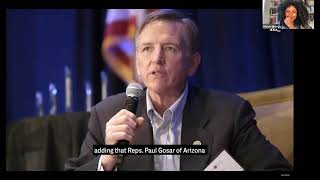
Elections, Online Chatter and Content Moderation - Racial Disinformation in the 2020 Election
Explore racially targeted disinformation on Twitter during the 2020 Election, challenges in communication with trust and safety teams, and recommendations for increasing racial literacy in computer science.
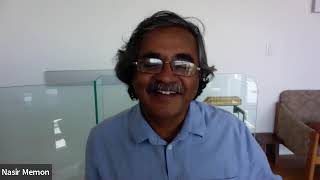
Hacking Reality: Technology for Detecting Deep Fakes
Explore deep fake threats and detection technologies with Dr. Memon, delving into cybersecurity challenges, algorithms, and the impact on digital reality.

How to Fight and Win an Information War
Uncover strategies to combat disinformation and rebuild trust in facts, drawing insights from a forgotten World War II operation and exploring the psychology behind propaganda's influence.

Hone Your Media Literacy Skills
Develop critical thinking to navigate media, spot misinformation, and understand statistics. Learn to identify logical fallacies and misleading information in various formats.

信息疫情第一集:后真相时代对科学的否定
探索"后真相"时代中科学否定、宣传和信息压制的根源和影响。深入了解美国和中国在气候变化、新冠疫情和选举等方面的情况,揭示当今社会面临的信息挑战。