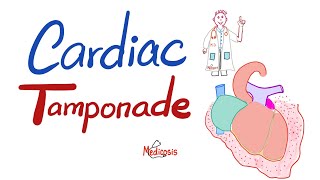
Cardiac Tamponade - Causes, Symptoms, Signs, Diagnosis & Treatment
Comprehensive overview of cardiac tamponade, covering causes, clinical presentation, diagnostic methods, and treatment options. Includes key signs like Beck's triad and pulsus paradoxus.
Clostridium Bacteria Review - Difficile, Perfringens, Tetani, and Botulinum
Comprehensive review of Clostridium bacteria, covering difficile, perfringens, tetani, and botulinum. Explores microbiology, infectious diseases, and clinical implications of these important pathogens.

Smooth Muscles Physiology and Myosin-Light Chain Kinase - Phosphatase
Explore smooth muscle physiology, focusing on myosin-light chain kinase and phosphatase mechanisms. Gain insights into the unique contractile properties and regulation of smooth muscle tissue.

Basics of Anesthesia - An Introduction to Anesthesiology
Comprehensive introduction to anesthesiology, covering general, regional, and local anesthesia types. Explores inhaled and intravenous methods, neuraxial and limb blocks, and ester/amide local anesthetics.

Implantation and Gastrulation
Explore the intricate processes of implantation and gastrulation in embryonic development, understanding key stages and cellular transformations essential for human growth.

Acid-Base Disturbances - Introduction
Comprehensive introduction to acid-base disturbances, covering key concepts like anion gap, osmolar gap, and base excess. Ideal for medical students and healthcare professionals.
Vomiting - How Does It Protect You?
Explore the protective function of vomiting, its reflex mechanism, and the role of the chemotactic trigger zone in the medulla. Learn about antiemetics and related gastrointestinal physiology.
Amino Acid Profiles - Inborn Errors of Metabolism Diagnosis - Blood and Urine Tests - Labs
Explore amino acid profiles and inborn errors of metabolism diagnosis through blood and urine tests. Learn about phenylketonuria, homocystinuria, maple syrup urine disease, and other metabolic disorders.

Anthrax and Its Subtypes - A Disease Caused by Bacillus Anthracis - Microbiology
Explore Bacillus anthracis, its subtypes, and clinical manifestations. Learn to differentiate cutaneous, pulmonary, and gastrointestinal anthrax, as well as distinguish anthrax from anthracosis.

The Ultimate Biology Review - Last Night Review
Comprehensive biology review covering key concepts for medical exams. Ideal for last-minute preparation, offering concise explanations of essential topics for MCAT, NCLEX, USMLE, and other healthcare-related tests.
Streptococcus Agalactiae - Neonatal Meningitis, Sepsis, Pneumonia
Comprehensive overview of Streptococcus agalactiae, focusing on its role in neonatal infections like meningitis, sepsis, and pneumonia. Explores pathogenesis, diagnosis, and treatment strategies.

Streptococci - Introduction and Classification - Microbiology
Comprehensive overview of streptococci, covering introduction, classification, and key characteristics of Group A, B, and D strains. Essential for understanding these important bacterial pathogens in microbiology.
Urine Casts - WBCs, RBCs, Waxy, Hyaline, Granular, Epithelial, Fatty
Comprehensive overview of various urine casts, their characteristics, and clinical significance in urinalysis. Enhances understanding of kidney function and urinary tract disorders.
Serum Chloride - Why You Should Care
Explore serum chloride homeostasis, its importance in body functions, and the implications of abnormal levels. Learn about normochloremia, hypochloremia, and hyperchloremia.
Lactic Acidosis - Why Your Muscles Get Sore
Explore lactic acidosis, its causes, and effects on the body. Learn about high anion gap metabolic acidosis and understand why muscles become sore during intense exercise.
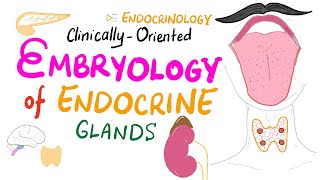
Embryology of Endocrine Glands
Comprehensive overview of endocrine gland development, covering origins, differentiation, and key stages in embryonic formation of major hormone-producing structures.
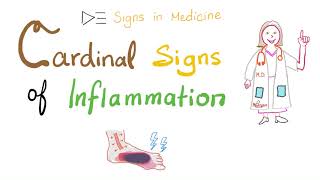
Cardinal Signs of Inflammation
Explore the key indicators of inflammation, their underlying mechanisms, and clinical significance in disease diagnosis and treatment.
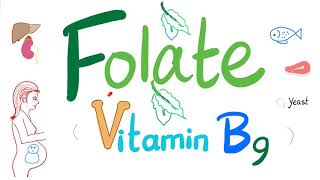
Vitamin B9 - Structure, Function, Folate Deficiency Anemia Diagnosis & Treatment
Comprehensive overview of Vitamin B9's structure, function, and role in folate deficiency anemia, including diagnosis and treatment approaches for healthcare professionals.
CRISPR and the Age of Biology - Ethical Implications and Scientific Advancements
Explore the revolutionary gene-editing tool CRISPR, its potential to transform disease treatment and human design, and the ethical implications of this groundbreaking technology in biology.

Football and Contact Sports - When to Put Brains and Bodies on the Line?
Explore the risks and ethical considerations of contact sports with insights from experts on brain health, player safety, and sports culture.
Genomic Medicine XV: Population Screening - Welcome and Keynotes - Session 1
Explore the current state, barriers, and opportunities of population genomic screening in the U.S., discussing its impact on clinical practice, technologies, costs, and future research directions.