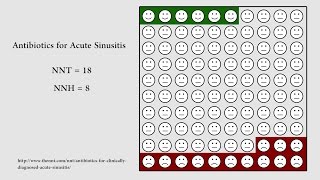
How to Apply Evidence to a Patient - Shared Decision Making
Learn to apply clinical research to individual patients and use shared decision-making, incorporating patient values for effective evidence-based medicine in healthcare practice.

How to Appraise a Clinical Trial
Learn to critically evaluate clinical trials, covering randomization, controls, blinding, sample size, and more. Gain skills to assess research validity and apply findings to patient care.
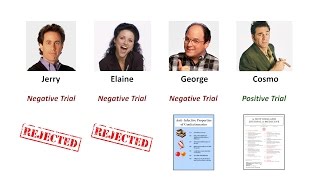
Most Published Medical Research is Wrong
Explore systematic biases, errors, and conflicts affecting medical research accuracy. Learn to critically evaluate studies and discover strategies for improving research reliability.
Genomics, Medicine, Epidemiology and Data Interpretation
Explore racial bias in genomics, medicine, and epidemiology with experts discussing data interpretation challenges and the tension between quantitative and qualitative approaches.

Case Study - Acute Mesenteric Ischemia
Interactive lecture on diagnosing and managing acute mesenteric ischemia. Covers key aspects of this critical condition, offering valuable insights for medical professionals and students interested in emergency medicine.
Case Study - Pulmonary Embolism
Interactive lecture on diagnosing and managing pulmonary embolism. Covers patient history, vitals, differentials, diagnostic tests, and treatment strategies. Ideal for medical students and healthcare professionals.

Ischemic Stroke - Case Study
Interactive lecture on diagnosing and managing ischemic stroke, offering practical insights for medical professionals and students interested in neurology and emergency medicine.

Special Senses - Inner Ear Anatomy
Explore the intricate anatomy of the inner ear, including the vestibule, cochlea, and semicircular canals. Learn about these crucial structures and their roles in hearing and balance.

Respiratory - Spirometry: Lung Volumes & Capacities
Comprehensive explanation of spirometry, lung volumes, and capacities. Learn key respiratory measurements and their significance in assessing lung function and diagnosing respiratory conditions.

Ascending Tracts - Spinothalamic Tract
Detailed exploration of the spinothalamic tract, covering pain and temperature sensation pathways from skin receptors to the thalamus. Ideal for neuroscience and medical students seeking in-depth understanding of sensory processing.

COPD - Pathophysiology
Comprehensive exploration of COPD pathophysiology, covering key aspects of chronic obstructive pulmonary disease and its impact on respiratory function.

Diabetic Ketoacidosis and Hyperglycemic Hyperosmolar Syndrome
Comprehensive overview of diabetic ketoacidosis and hyperglycemic hyperosmolar syndrome, covering causes, pathophysiology, clinical presentation, diagnosis, and treatment of these life-threatening diabetes complications.
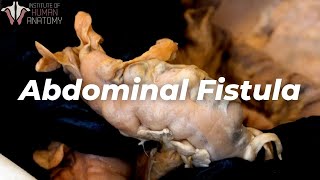
Surgery Gone Wrong - The Terrifying Reality of an Abdominal Fistula
Explore the frightening reality of abdominal fistulas, their causes, symptoms, and treatment options. Learn about surgical risks, healing processes, and the challenges patients face during recovery.

The Anatomy of Pain
Explore the intricate anatomy of pain, from its purpose and perception to its processing in the brain. Learn about pain thresholds, neural pathways, and the body's natural pain management systems.
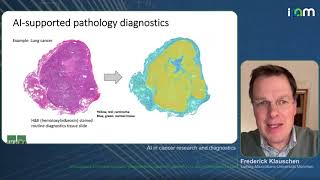
AI in Cancer Research and Diagnostics - IPAM at UCLA
Explore AI's impact on cancer diagnostics, focusing on pathology applications, explainable methods, and multi-modal data integration for research and clinical use.

DNA
Explore the fundamentals of DNA in this concise introduction, covering its structure, function, and significance in genetics and biology.

Cardiovascular - Anatomy of the Heart - Heart Model
Detailed exploration of heart anatomy using a SOMSO model, covering key structures and their functions in the cardiovascular system.

The Increasing Distance Between Doctor and Patient - A Call for Change
Exploring the growing disconnect between doctors and patients over two millennia, with a call to action for reversing this concerning trend in healthcare.

Tackling Medical Challenges Through Life Technologies
Discover how Life Technologies aims to revolutionize medicine by addressing major health challenges through innovative biotechnology solutions.

Tapping into Out-of-the-Box Knowledge Networks for Medical Breakthroughs
Exploring unconventional knowledge networks to drive medical innovation and breakthroughs in healthcare research and development.

Medical Emergencies on Mount Everest - Treating Patients in Extreme Conditions
Microsurgeon recounts harrowing experiences treating patients during a deadly storm on Mount Everest, exploring extreme medicine and human resilience in challenging conditions.