
암환자 개개인에 맞는 항암치료제 찾기 - 반려동물에서 사람으로
Discover how ImpriMed's AI technology revolutionizes cancer treatment by predicting drug responses and finding optimal therapies - from helping pets to potentially transforming human cancer care.
Measuring Gene Expression in Tissues for Autoimmune Disease Detection - Lecture 2
Dive into advanced techniques for measuring gene expression in tissues, focusing on spatial transcriptomics and its application in inflammatory bowel disease diagnosis and cancer detection.
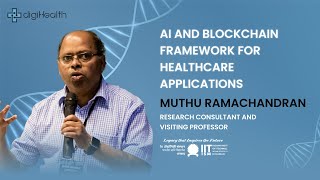
Secure and Sustainable Software Engineering Framework for Healthcare Blockchain Applications
Explore how AI and blockchain technologies converge to revolutionize healthcare systems through a comprehensive framework addressing security, sustainability, and efficient data management in medical applications.
Creating a Pioneering Insight Generation Platform for Life Sciences - Using Generative AI and LLMs
Discover how to build an enterprise-scale insight generation platform using Generative AI and LLMs, focusing on transforming complex life sciences data into actionable insights while maintaining security and compliance.
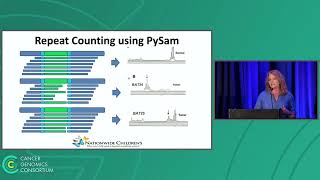
Clin-MSI: A Machine Learning-Based Approach to MSI Detection in Endometrial Cancers
Explore a machine learning approach for detecting microsatellite instability in endometrial cancers, enhancing diagnostic accuracy and treatment selection for patients.
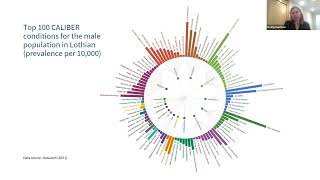
DataLoch: Utilizing Health Data for Multi-Long Term Conditions Research - August 2023
Explore DataLoch's comprehensive health data service, covering multiple conditions for cross-disciplinary research. Learn about data coverage, governance, and safe access processes.
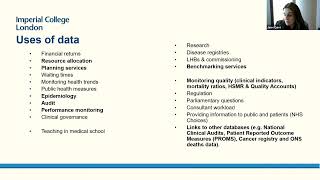
Using Routinely Collected Electronic Healthcare Record Data to Study Respiratory Disease
Explore methods for analyzing electronic healthcare records to gain insights into respiratory diseases, leveraging big data for improved patient outcomes and research.
Integrating AI and Machine Learning in Life Sciences - Allen School Colloquia
Exploring AI integration in life sciences, covering explainable AI, COVID-19 detection, cancer precision medicine, and biological discovery through advanced machine learning techniques.
Learning for Never-before-seen Biomedicine
Exploring machine learning methods for predicting never-before-seen biomedical scenarios, focusing on novel class and cohort situations using ontologies and multiscale knowledge graphs.

Bandits - Lecture 5
Explore multi-armed bandit algorithms and their applications in decision-making under uncertainty with Professor Kevin Jamieson from the University of Washington.
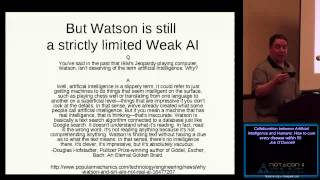
Collaboration Between Artificial Intelligence and Humans - Curing Every Disease Within 50 Years
Explore the potential of AI-human collaboration in revolutionizing medical research and disease treatment, with the ambitious goal of curing all diseases within half a century.
AI in Cancer Detection and Treatment
Explore AI applications in cancer detection and treatment, covering advanced techniques for early diagnosis, personalized therapies, and improved patient outcomes.
Neural Networks - Lecture 1
Comprehensive introduction to neural networks, covering fundamental concepts, architectures, and applications in machine learning and artificial intelligence.

Promise and Perils of Artificial Intelligence in Healthcare
Explore AI's transformative impact on healthcare, from disease detection to personalized treatments, while examining ethical concerns and the irreplaceable human touch in patient care.
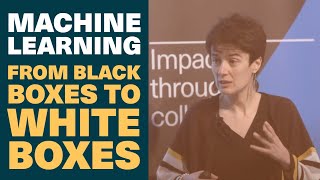
Machine Learning - From Black Boxes to White Boxes - Mihaela van der Schaar
Exploring innovative approaches to make complex machine learning models interpretable and trustworthy, especially in medical applications, for diverse users including clinicians and patients.
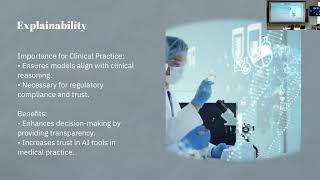
Forerunners of Cancer Hallmarks - Explainable Machine Learning in Early Cancer Diagnosis
Explore explainable machine learning techniques for early cancer detection, focusing on identifying precursor signs of cancer hallmarks to improve diagnostic accuracy and patient outcomes.
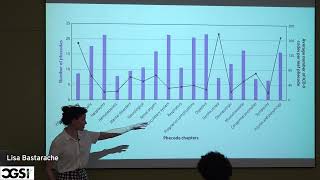
Fun with Phecodes - From PheWAS to PheRS
Explore Phecodes for electronic health record research, from PheWAS to PheRS. Learn applications, tools, and best practices for phenotype-genotype analysis and biobank data science.

Machine Learning for Biobank-Scale Genomic Data - CGSI 2022
Explore machine learning techniques for analyzing large-scale biobank data, focusing on genetic architecture, variance components, and interactions in complex traits. Gain insights from UK Biobank applications.
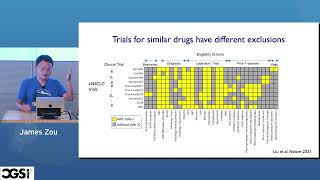
How to Perform In Silico Clinical Trials Using EHR
Learn to conduct in silico clinical trials using electronic health records, exploring innovative approaches to evaluate oncology trial eligibility criteria with real-world data and AI.

Financial Innovation for Global Health
Explore innovative financial solutions for global health challenges, focusing on partnerships, emerging threats, and disruptive ideas to improve healthcare access and outcomes worldwide.
Multi-disciplinary Fairness Considerations in Machine Learning for Clinical Trials
Explore fairness in machine learning for clinical trials through a multi-disciplinary lens, examining ethical implications and potential biases in healthcare research.