
Film Production
In 15 episodes, Lily Gladstone will teach you about film production!

Philosophy and the Science of Human Nature
Philosophy and the Science of Human Nature pairs central texts from Western philosophical tradition (including works by Plato, Aristotle, Epictetus, Hobbes, Kant, Mill, Rawls, and Nozick) with recent findings in cognitive science and related fields.

Film Criticism
In 15 episodes, Michael Aranda will teach you about film criticism! This course is based on an introductory college level curriculum and will teach by analyzing 15 films from different genres, directors, years, and countries.

Storytelling for Video
Learn effective vlogging techniques, script writing, and documentary creation for YouTube, enhancing your storytelling skills and video content production abilities.

Film History
In 16 episodes, Craig Benzine will teach you about film history! This course is based on an introductory college level curriculum, with A History of Narrative Film by David A. Cook as its reference text.

Open vs. Closed: Media, Government and Social Organization in the Information Age
Exploring the divide between open and closed systems in government, media, and society, emphasizing accountability, transparency, and the impact of digital technologies on information flow and power structures.
Stanford Seminar - What Media Will Communicate Climate Change? - Greg Niemeyer
Greg Niemeyer explores how Eskimo and scientists communicate climate change through aesthetics, focusing on Barrow, Alaska's permafrost impact. He presents visual media to broaden understanding of environmental shifts.

World War I Poetry in England - Modern Poetry
Explore WWI English poetry through analysis of works by Owen, Hardy, Thomas, Sassoon, and Rosenberg. Examine war rhetoric, propaganda, and the relationship between home front and battle front.

The American Novel Since 1945 - Lecture 20: Philip Roth and The Human Stain
Explore censorship's impact on literature, from legal restrictions to market forces, and how it shapes the modern literary canon and publishing practices.

Richard Wright's Black Boy - Analysis and Literary Context
Explore Richard Wright's "Black Boy" through close analysis, examining narrative oscillations, editorial struggles, and the power of words in portraying America's ideals during WWII.

The Structures of Power in Early Modern England - Politics, Religion, and Society under the Tudors
Explore the dynamics of royal power in early Tudor England, examining institutions, political culture, and the impact of Henry VII and Henry VIII's reigns on monarchy and government.

Sites of Memory and Mourning in Post-World War I Europe - Lecture 18
Explore how Europe commemorated World War I through memorials, media, and ceremonies, shaping a unique understanding of war and its lasting impact on society and politics.
The Post-Mortem on Journalism Reform - Future Directions and Panel Discussion
Explore the future of journalism reform with experts discussing press council roles, media concentration, and consumer activism in this insightful panel discussion.
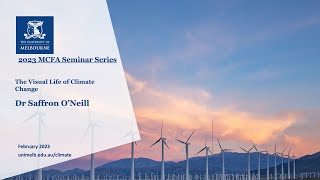
The Visual Life of Climate Change - Imagery and Public Engagement
Explore the power of visual imagery in shaping public perception and engagement with climate change, examining dominant narratives and their impact on society and policy.
Introduction to Film Studies
The objective of this course is to enable students to understand the language of cinema and to help them recognize significant film movements and theories as well as filmmakers who have shaped the course of world cinema, along with a reading of key cinem…
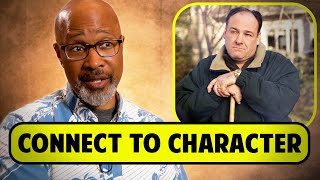
How to Get Inside the Mind of a Character
Explore techniques to deeply understand and portray characters in your writing. Gain insights from an experienced TV writer on developing authentic, compelling personalities for your stories.

How to Fight and Win an Information War
Uncover strategies to combat disinformation and rebuild trust in facts, drawing insights from a forgotten World War II operation and exploring the psychology behind propaganda's influence.

Why Story Might Not Be King - Challenging Traditional Filmmaking Wisdom
Explore the unconventional perspective on storytelling in filmmaking with insights from successful entrepreneur and filmmaker Khoa Le. Gain valuable industry knowledge and challenge traditional notions of narrative importance.
Film Appreciation
Explore Hindi cinema's evolution, themes, and influential filmmakers. Analyze social reform, globalization, censorship, women's portrayal, and key movements in Indian film history.
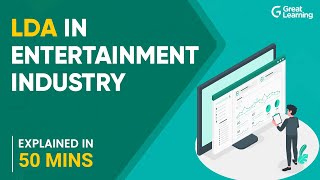
LDA Application in Entertainment Industry
Explore Linear Discriminant Analysis application in entertainment, covering key concepts, data analysis, and practical implementation using Jupyter Notebook for feature selection and classification.
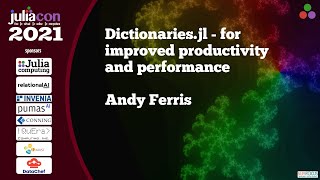
Dictionaries.jl - Improved Productivity and Performance in Julia
Explore Dictionaries.jl for enhanced Julia productivity: alternative interface, data manipulation tools, implementation insights, and applications in tabular data with keys.