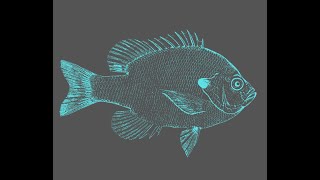
Fishes - Virtual Science OFF Tap
Explore the fascinating world of fishes with Rob Robins, collection manager at Florida Museum of Natural History. Dive into ichthyology and discover the diversity of aquatic life in this engaging virtual presentation.
Secrets of Seagrass - Part 1
Explore the hidden world of seagrass ecosystems with marine scientist Savanna Barry. Learn about sustainable coastal activities, citizen science, and habitat restoration in this engaging presentation.
Beyond Dead Fish - How Red Tide Affects All Floridians
Explore the economic, health, and environmental impacts of harmful algal blooms in Florida through expert insights on red tide's far-reaching consequences beyond marine life.
How Zoos Preserve Biodiversity
Explore modern zoos' role in biodiversity conservation through naturalistic exhibits and educational initiatives, highlighting the importance of preserving marine life amid environmental challenges.
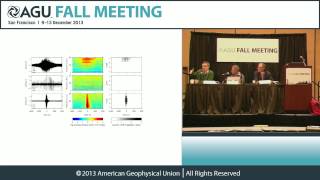
See Through Seas: Imaging the Planet's Hidden Interior
Scientists discuss groundbreaking 10-month mission using new technology to observe Earth's interior beneath oceans, providing unprecedented seismic data and insights into planetary processes.
Melting Sea Ice in the Arctic - Five Myths and Current Research
Explore Arctic sea ice myths, current data, climate models, and societal impacts. Learn about unprecedented ice loss and the potential for a seasonal ice-free Arctic from expert speakers.
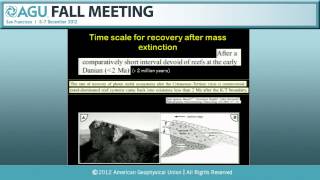
Ocean Acidification: Impacts and Challenges - Special Lecture
Explores the impacts of rising CO2 levels on ocean chemistry and marine life, discussing potential consequences for calcification, adaptation, and ecosystem survival in the face of rapid acidification.
From the Mississippi to the Gulf - Water Quality and Security
Experts discuss water quality issues from the Mississippi River to the Gulf of Mexico, including the aftermath of the Deepwater Horizon oil spill and strategies for monitoring and protecting vital waterways.
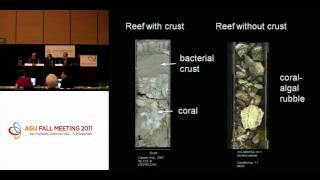
Ocean Acidification Impact on Coral Reefs - Press Conference
Experts discuss ocean acidification's impact on coral reefs, examining natural occurrences, lab simulations, and historical data to understand mechanisms and ecosystem vulnerability.
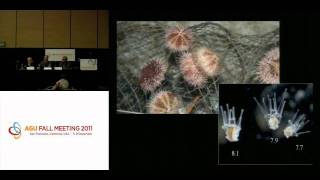
Ocean Acidification: Physiological Tipping Points for Marine Species - Press Conference
Experts discuss new research on ocean acidification's impact on marine species beyond corals, revealing stunted growth and development in fish, crustaceans, and sea urchins due to lower pH levels.
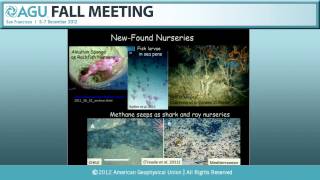
Deep Margins Under Pressure - Climate Change and Human Impacts on Continental Slopes
Exploring deep continental margins: their ecological importance, vulnerability to climate change, and challenges from human exploitation. Calls for improved stewardship of these crucial deep-ocean ecosystems.
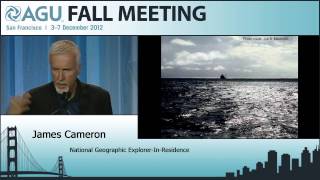
DEEPSEA CHALLENGE - New Science and Technology at Extreme Depths
Explore groundbreaking science and technology advancements for extreme ocean depths, featuring insights from the DEEPSEA CHALLENGE expedition and its implications for deep-sea research.
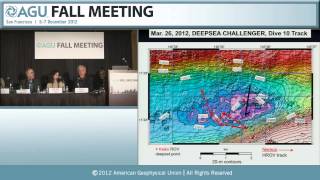
Science and Technology at Extreme Depths - DEEPSEA CHALLENGE Expedition Findings
Explore deep-sea innovations and discoveries with James Cameron and scientists from the DEEPSEA CHALLENGE Expedition, including new species and extreme gigantism in the ocean's depths.
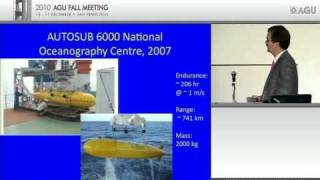
The Autonomous Revolution - Transforming Ocean Observation with Mobile Platforms
Explore cutting-edge autonomous mobile platforms revolutionizing ocean observation, enhancing our understanding of marine ecosystems and climate change impacts.
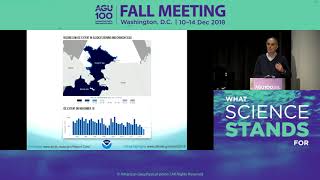
Arctic Report Card 2018 - Environmental Changes and Impacts
Comprehensive overview of Arctic environmental changes, featuring expert insights on climate, ecosystems, and human impacts, with implications for global weather patterns and policy decisions.
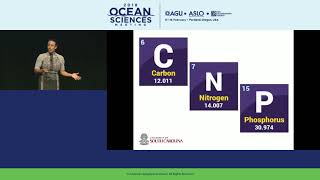
Ocean Sciences - From Molecular to Global Scales and Biological Propulsion - Plenary Lectures
Explore oceanic biogeochemistry and biological propulsion with expert lectures on nutrient cycles, particle flux, and innovative marine engineering applications.
Emerging Plastic and Chemical Contaminants in Marine Environments - Ocean Sciences Meeting 2018
Explore emerging contaminants in marine environments, their effects on wildlife, and potential impacts on food webs. Learn about microplastics, pharmaceuticals, and other pollutants in coastal ecosystems.
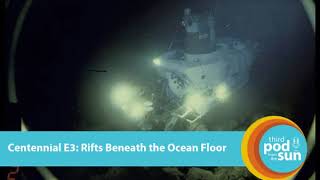
Rifts Beneath the Ocean Floor - Hydrothermal Vents Discovery
Explore the groundbreaking discovery of hydrothermal vents and unique deep-sea creatures with marine geophysicist Kathy Crane, one of the pioneering women in the field during the 1970s.
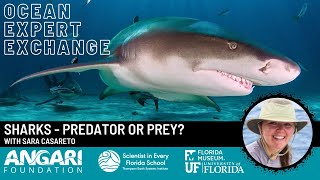
Sharks - Predator or Prey?
Explore the fascinating world of sharks, examining their role as both predators and potential prey in marine ecosystems. Gain insights into shark biology, behavior, and conservation.
The Ocean Fertilization Plan and Its Potential Consequences
Explores ocean fertilization as a potential solution to combat global warming, discussing its mechanisms, consequences, and challenges. Analyzes the feasibility and environmental impacts of this controversial climate intervention strategy.
Underwater Acoustic Tracking for Marine Conservation
Explore innovative acoustic tracking methods for deep-sea marine life using autonomous vehicles and moored receivers. Learn about cutting-edge algorithms for monitoring Norway lobster behavior at 400m depth.