Setting the PACE: Scientists Investigate Oceans with New NASA Satellite
Scientists discuss PACE satellite's potential to revolutionize ocean ecosystem monitoring, from studying plankton to identifying harmful algal blooms, using advanced space-based measurements of ocean color.
Discovering the Hidden Secrets of the Ocean - New Era of Ocean Exploration
Explore the ocean's hidden secrets with cutting-edge technology, uncovering new ecosystems, mapping the seafloor, and livestreaming deep-sea discoveries. Learn about innovative marine research and its global impact.
Carbonate Platforms, Margins, and Slopes - Session 1
Exploration of carbonate platforms, margins, and slopes through case studies in South China Sea, Red Sea, Senegal, and Mediterranean, focusing on seismic stratigraphy, depositional signatures, and platform evolution.
Coralline Algae: Strategies for Palaeoenvironmental Reconstruction in the Miocene
Explore strategies for using coralline algae in palaeoenvironmental reconstructions, focusing on the Miocene epoch and overcoming taxonomic challenges in shallow water limestone studies.
The Ichnology of Carbonate Drifts
Explore bioturbation in carbonate drifts to uncover detailed palaeoenvironmental conditions, enhancing understanding of past oceanic and ecological settings.
Limestones: An Essential User Guide to Sediments That Dissolve, Precipitate and Grow
Explore limestone formation, importance, and applications in climate studies and sustainable solutions. Learn about carbonate sedimentology's role in understanding Earth's history and future environmental challenges.
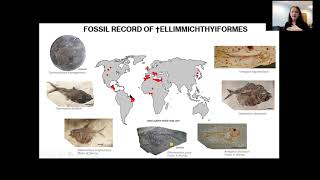
The Fossil Record and Evolution of the Modern Herring - An Evolutionary Success Story
Explore the 130-million-year journey of herrings and related species, from their origins to becoming one of today's most abundant fish groups, surviving extinctions and climate changes.
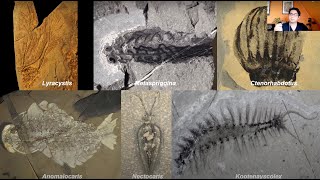
Worms from the Rocks - Burgess Shale Fossils and the Cambrian Explosion
Explore the Cambrian Explosion through Burgess Shale fossils, revealing insights into hemichordate origins and early animal evolution. Discover surprising morphological and ecological characteristics of ancient marine worms.
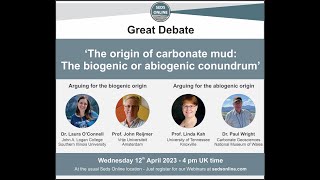
The Origin of Carbonate Mud - Biogenic vs Abiogenic Theories
Explore the debate on carbonate mud formation: biogenic vs. abiogenic theories. Examine evidence, processes, and environmental factors influencing this crucial marine sediment's origin.
Reef Carbonate Production and Measuring Reef-Derived Sediment Generation Rates
Explore recent research on coral reef carbonate production, ecological impacts on reef growth, and challenges in quantifying sediment generation rates for reef-building and coastal environments.
Marine Carbonate Factories: Sedimentation Patterns and Sequence Stratigraphy
Explore marine carbonate sediment production systems, their controlling factors, and unique sequence stratigraphic patterns for different carbonate factories in various environmental settings.
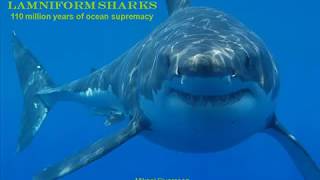
Lamniform Sharks - 110 Million Years of Ocean Supremacy
Explore the 110-million-year reign of lamniform sharks, from their evolution to their dominance in Earth's oceans, in this paleontological journey through time.
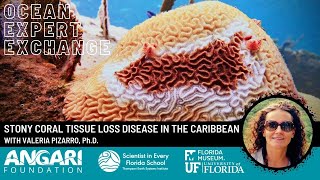
Ocean Expert Exchange - Stony Coral Tissue Loss Disease in the Caribbean
Explore the impact and management of Stony Coral Tissue Loss Disease in Caribbean reefs, examining its spread, effects, and ongoing research efforts to combat this ecological threat.
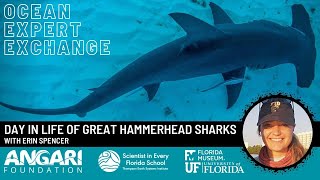
The Day in the Life of Great Hammerhead Sharks
Explore the fascinating world of great hammerhead sharks, their behavior, and ecological importance through expert insights and captivating footage.
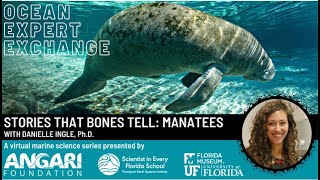
Stories That Bones Tell - Manatee Evolution and Skeletal Clues
Explore manatee evolution through their skeletons, uncovering clues about their aquatic lives. Dr. Ingle reveals fascinating insights into these unique marine mammals and their adaptation to underwater environments.
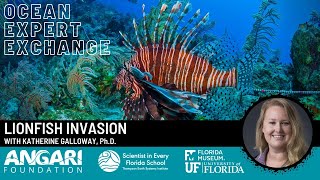
Ocean Expert Exchange: Invasive Species of Florida Waters - Lionfish Invasion
Explore the impact of lionfish invasion on Florida's waters, its ecosystem effects, and potential mitigation strategies in this informative presentation.
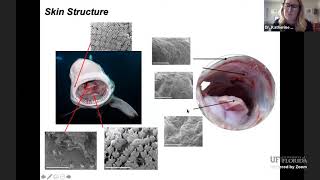
Invasive Species of Florida Waters - Lionfish Invasion
Explore lionfish biology, spine mechanics, and their impact as invasive species in the Western Atlantic and Caribbean with Dr. Katherine Galloway's research insights.
Rainforests of the Sea - The Importance of Coral Reef Ecosystems
Explore coral reef ecosystems, their biology, and vital importance. Learn about threats to reefs and conservation efforts by the Coral Restoration Foundation to protect these underwater rainforests and their crucial services.

Sea Turtle Ecology
Explore sea turtle ecology, their habitats, and conservation efforts in this engaging presentation with extension activities for K-12 students.
Ocean Expert Exchange: Bahamian Fisheries Edition
Explore Bahamian fisheries with Dr. Krista Sherman, focusing on Nassau grouper conservation, spawning aggregations, and sustainable management practices in The Bahamas' marine ecosystems.
Shark Migration - Ocean Expert Exchange
Explore shark migration patterns and sensory biology with expert Dr. Stephen Kajiura. Learn about blacktip shark aggregations and cutting-edge research techniques in marine science.