
CompTIA A+ Training Course
The CompTIA A+ Core Series requires candidates to pass two exams: Core 1 (220-1101) and Core 2 (220-1102) covering the following new content, emphasizing the technologies and skills IT pros need to support a hybrid workforce.

MacOS Terminal - The Beginners' Guide
Learn essential macOS terminal commands and concepts, including file management, navigation, and understanding GUI vs CLI, to boost your productivity and command-line skills.

Setting Up Your Development Machine - Part 1
Set up a MacBook for software development with essential tools like Brew, iTerm2, zshell, and Anaconda. Learn to configure Python using Conda for a robust programming environment.
Bioinformatics Tools Installation
Comprehensive guide for installing various bioinformatics tools using source code, binaries, and Anaconda. Covers essential software like Artemis, RAxML, MUSCLE, and more for Windows and Linux systems.
Installation of Git and Configuration of the Shell
Learn to install Git on various operating systems and configure your shell for optimal development. Enhance your workflow with iTerm2 and Z Shell on Mac.
Visual Studio Code - Setting Up a Python Development Environment and Complete Overview
Comprehensive guide to setting up and optimizing a Python development environment in Visual Studio Code on Mac, covering installation, extensions, settings, debugging, and best practices.
Implementing Passwordless Authentication for Secure Hybrid Work
Explore passwordless authentication in Azure AD and Windows with Microsoft experts, covering implementation strategies, best practices, and future developments for secure hybrid work environments.

MacBook Air M1 Setup for Software Engineering
Comprehensive guide for setting up a MacBook Air M1 for software engineering, covering essential tools, IDEs, programming languages, and productivity apps.
Install macOS on Any PC - OpenCore Guide
Comprehensive guide for installing macOS on PC hardware using OpenCore, covering hardware compatibility, bootloader setup, and system configuration for a successful Hackintosh build.
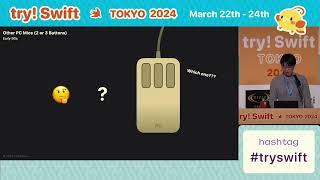
Cultivating a Sense for Designing Great Applications - try! Swift Tokyo 2024
Explore UI design principles for macOS and iOS, balancing platform integration with unique creativity. Learn to craft user-friendly interfaces that respect cultural considerations and assert individuality.
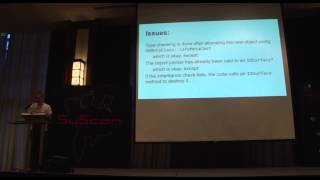
Compromising OSX - Root Access Exploitation Techniques
Explore techniques for compromising macOS systems, uncovering vulnerabilities, and gaining root access in this advanced cybersecurity presentation.
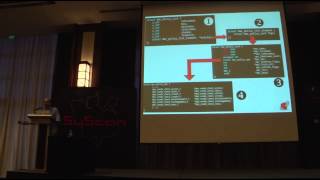
BadXNU - Exploiting Vulnerabilities in Apple's XNU Kernel
Explore vulnerabilities in Apple's XNU kernel, uncovering security flaws and potential exploits in iOS and macOS systems.

Bleachbit - Open Source, Privacy Minded System Cleaning Tool for Windows, Linux, and MacOS
Explore Bleachbit, an open-source tool for system cleaning and privacy protection. Learn installation, settings, usage in admin and non-admin modes, and discover its powerful features for enhancing system performance and security.
Getting Down and Dirty with Mac Imaging - Challenges and Solutions
Explore challenges, techniques, and free tools for effective macOS imaging and collection verification in digital forensics.
macOS Red Teaming in 2023 - Zero-Day Edition
Explore cutting-edge macOS red teaming techniques, including 0-day vulnerabilities, presented by a principal security specialist at DefCamp 2023, a major cybersecurity conference.
Leveraging macOS Networking Frameworks for Heuristic Malware Detection
Explore open-source methods for building network state enumerators and advanced monitors on macOS to detect sophisticated malware through unauthorized network access detection.
Build Provenance: Lessons from Homebrew
Explore build provenance for Homebrew package manager, including achievements, challenges, and technical insights. Learn about its architecture and implications for similar ecosystems.
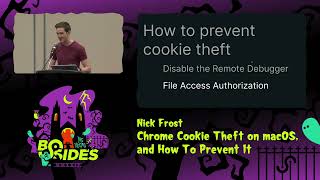
Chrome Cookie Theft on macOS and Prevention Techniques
Explore techniques for Chrome cookie theft on macOS and learn effective prevention methods using open-source tools like Santa and osquery for enhanced cybersecurity.
Attacking Primary Refresh Tokens Using MacOS Implementation - TROOPERS24
Explore techniques for attacking Primary Refresh Tokens through MacOS implementation, presented by security experts at TROOPERS24 conference in Heidelberg.
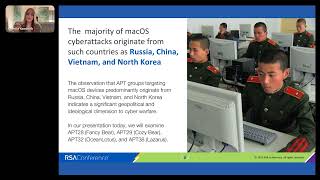
MacOS Security - Rising Threat from State-Backed APTs
Explore state-sponsored APT threats to macOS, examining SpectralBlur and SwiftBucket backdoors and tactics used by DPRK actors. Learn about the growing landscape of macOS attacks in cybersecurity.
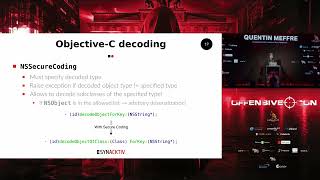
Escaping the Safari Sandbox: A Tour of Webkit IPC
Explore Webkit IPC vulnerabilities and techniques for escaping the Safari sandbox, gaining insights into browser security and exploitation.