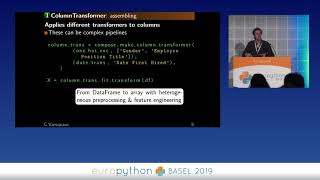
Machine Learning on Non-Curated Data
Techniques for handling missing values and non-normalized categories in machine learning, focusing on practical solutions using scikit-learn and DirtyCat for efficient data analysis without extensive cleaning.
Building a Powerful Pet Detector in Notebooks
Learn to build and deploy an AI-powered pet breed detector using Azure Notebooks, TensorFlow, and transfer learning techniques. Optimize the model for improved accuracy and create a web service.
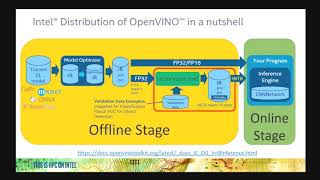
Accelerate Your Deep Learning Inferencing with the Intel DL Boost Technology
Explore Intel® DL Boost technology for efficient deep learning inference acceleration using low-precision INT8 and VNNI instructions on 2nd gen Intel Xeon Scalable processors.
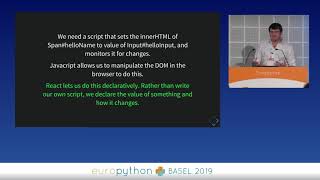
Dash - Interactive Data Visualization Web Apps with No Javascript
Learn to create interactive data visualization web apps using Dash, a Python framework that requires no JavaScript. Discover best practices, common pitfalls, and when to transition to traditional web development.
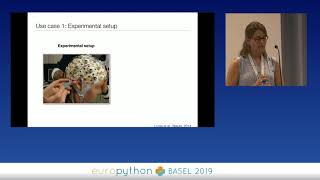
Boosting Research with Machine Learning
Explore machine learning applications in research, from neuron recognition to EEG-based movement prediction. Learn Python techniques for data preparation and analysis using various ML methods.
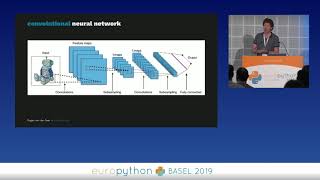
How to Train an Image Classifier Using PyTorch
Learn to build an image classifier using PyTorch in this hands-on tutorial. Covers data preparation, model selection, training techniques, and evaluation, with practical tips and code examples for immediate implementation.
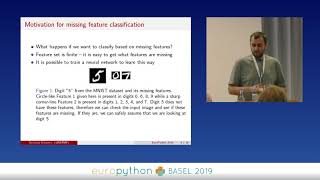
Classification Based on Missing Features in Deep Convolutional Neural Networks
Explore a novel approach to enhance neural network accuracy and robustness in adversarial situations, focusing on classification based on missing features in deep convolutional models.
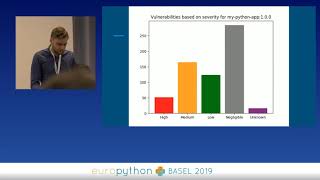
Securely Executing Python Machine Learning Models with Distroless Images at ING
Explore secure execution of Python ML models using distroless images at ING. Learn about security risks, minimal Docker images, and practical implementation in a banking environment.
Modern Data Science with Vaex - A New Approach to DataFrames and Pipelines
Explore efficient data processing for large datasets using Vaex, combining computational graphs and lazy evaluations with memory-mapped storage and out-of-core algorithms.
TensorFlow 2.0 - TensorFlow Strikes Back
Explore TensorFlow 2.0's new features, including Keras API, eager execution, and improved production pipeline, enhancing usability while maintaining performance and scalability.
AI in Contemporary Art
Explore AI's impact on contemporary art, from creative applications like DeepDream to critical examinations of facial recognition and deep fakes. Discover how artists and technologists are pushing boundaries and addressing societal implications.
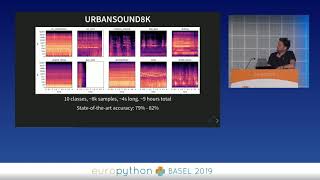
Audio Classification with Machine Learning
Learn to build practical machine learning models for audio classification using spectrograms, CNNs, and techniques like transfer learning and data augmentation with Keras and TensorFlow.
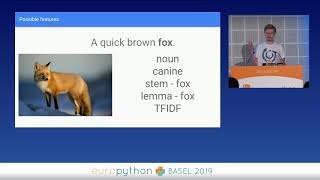
Natural Language Processing with Neural Networks
Dive deep into NLP with neural networks, exploring architectures, feature engineering, and practical tips for optimal results while considering computational costs and interpretability.
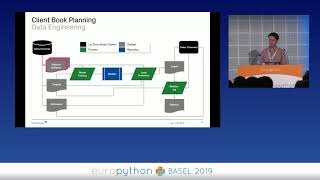
Building Data-Driven Client Relationship Management in Banking with Python
Transforming banking sales with Python: data-driven client management, machine learning pipelines, and automated processes for improved efficiency and personalized service.
Deep Learning with TensorFlow 2.0
Explore TensorFlow 2.0's updates, including Keras API, and learn to build machine learning models in Python. Discover new features and gain practical insights for getting started.

Astro Pi - Python on the International Space Station
Explore Python programming on the International Space Station with Astro Pi, a collaboration between Raspberry Pi Foundation and ESA, offering exciting opportunities for students to conduct space experiments.

Radio Astronomy with Python
Explore radio astronomy using Python, focusing on redshift studies, galaxy distribution analysis, and machine learning techniques for processing large astronomical datasets.
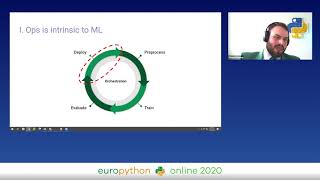
Painless Machine Learning in Production
Discover strategies for efficient machine learning deployment, covering infrastructure, tooling, and best practices for managing the ML lifecycle in production environments.
Docker and Python - Making Them Play Nicely and Securely for Data Science and ML
Learn Docker best practices for data-intensive Python applications, covering image optimization, security, automation, and efficient deployment workflows in Data Science and Machine Learning contexts.

15 Things You Should Know About Spacy
Discover 15 key insights about spaCy, an open-source NLP library for Python. Learn its strengths, limitations, and practical applications for processing and understanding large text corpora.
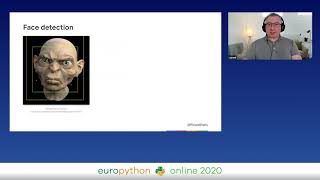
Building Smarter Solutions with No Expertise in Machine Learning
Explore practical ML solutions using existing models and AutoML techniques, with interactive demonstrations and insights for quick implementation without deep expertise.