Natural Language Processing with Qdrant for Vector Similarity Search
Master vector similarity search using Qdrant to create embeddings from text data, perform contextual searches, and build recommendation systems for enhanced natural language processing applications.
Getting Started with Qdrant - Introduction to Vector Database and Similarity Search
Master vector similarity search using Qdrant to build semantic search and recommendation systems through hands-on practice with sample datasets and practical implementations.
Qdrant Vector Database and Search Engine Implementation in Rust
Dive into vector database technology with Qdrant, exploring its architecture, implementation in Rust, and applications in similarity search, matching, and recommendations systems.
Embeddings and Similarity Search with Qdrant Vector Database
Explore vector embeddings and similarity search concepts through hands-on demonstrations using Qdrant database, with practical examples for implementing efficient search solutions.
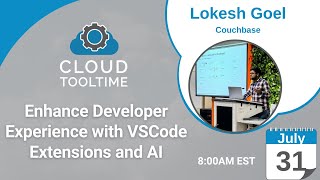
Enhancing Developer Experience with VSCode Extensions and AI Tools
Explore how AI and VSCode extensions revolutionize development workflows, from LLM integration to database management, with practical tips for maximizing IDE productivity and efficiency.
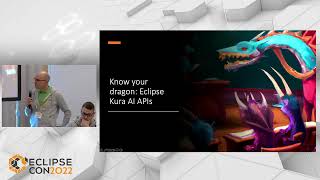
AI on the Edge with Eclipse Kura - From Data Collection to Model Deployment
Discover how to build and deploy machine learning applications on edge devices using Eclipse Kura, from data collection through Kura Wires to model training and inference with Nvidia Triton Server.

Machine Learning Crash Course
Learn to build neural networks and recommendation engines using JavaScript and TensorFlow.js in this beginner-friendly introduction to machine learning.
Streamlit for ML - MUI Card Component Build
Learn to create custom Streamlit components using Material UI design elements, focusing on building an interactive card component for machine learning applications.
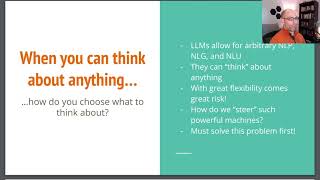
MARAGI: Overview, Architecture, and Roadmap
Explore MARAGI's architecture for sentient machines, focusing on microservices, the Nexus, and roadmap for developing superintelligent AI systems with ethical considerations and cognitive principles.

Starting on the Conductor Microservice
Explore the development of a conductor microservice for AI systems, focusing on task prioritization, alignment, and creating a symphony of thought in artificial cognitive entities.
How to Deploy ML Models with Google Cloud Run
Learn to deploy ML models using Google Cloud Run, from building a TensorFlow app with Flask to containerizing with Docker and final deployment.

Pandas Tutorial for Beginners - Data Analysis for Machine Learning with Python
Learn essential Pandas operations for effective data analysis in Python, including handling missing values, manipulating columns, and basic plotting techniques.
Predicting Diabetes with Logistic Regression in TensorFlow.js - Deep Learning for JavaScript Hackers
Learn to build and train logistic regression models in TensorFlow.js for diabetes prediction. Covers data visualization, dataset creation, model evaluation, and advanced techniques.
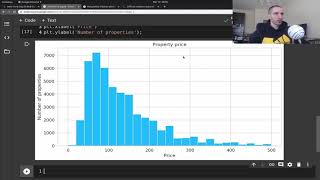
Data Visualization Tutorial for Beginners with Matplotlib in Python - Exploratory Data Analysis
Explore fundamental data visualization techniques using Matplotlib and Seaborn in Python. Learn to create histograms, box plots, violin plots, bar charts, line charts, scatter plots, and more for effective exploratory data analysis.
Fall 2017
Explore AI, ML, NLP, and Lisp through comprehensive lectures covering semantic spaces, classification, language models, and parsing techniques for advanced computational linguistics.
Introduction to Python for Data Science
Learn Python for data science: cleanse data, perform exploratory analysis, and build predictive models using pandas and scikit-learn. Ideal for beginners with basic Python knowledge.
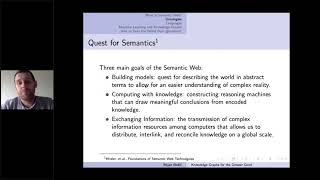
Knowledge Graphs for the Greater Good - ODSC Europe 2020
Explore knowledge graphs' potential in enhancing machine learning, tackling misinformation, and addressing global challenges like climate change and COVID-19 through semantic web principles and real-world applications.
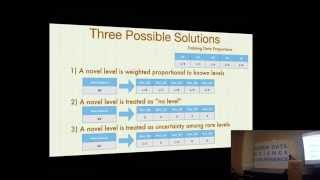
Prepping Data for Analysis Using R
Learn techniques for preparing data for analysis using R, covering common issues, automated solutions, and practical demonstrations for handling missing values and categorical variables.
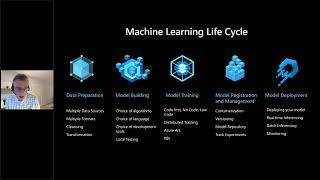
Medical Imaging with Azure Machine Learning
Explore Azure Machine Learning for medical imaging applications, covering data management, model development, deployment, and explainability in healthcare scenarios.
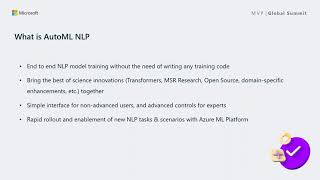
Build NLP Model with Azure ML AutoML NLP Capability
Learn to build NLP models using Azure ML AutoML for tasks like classification and named entity recognition. Explore multilingual support, data labeling, and distributed training for efficient model development.
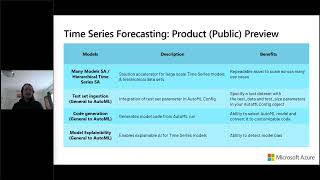
Auto-Train a Time-Series Forecast Model with AML & ADB
Learn to auto-train time-series forecast models using Azure Machine Learning and Azure Databricks for large-scale enterprise solutions in supply chain, healthcare, insurance, and finance.