Lisp Tutorial
Comprehensive introduction to Lisp programming, covering syntax, functions, data structures, object-oriented concepts, and file operations. Ideal for beginners seeking a solid foundation in Lisp.

Clojure Tutorial
Comprehensive introduction to Clojure, covering core concepts from setup to advanced topics like macros and closures. Ideal for beginners seeking a solid foundation in functional programming.
Learning Emacs Lisp
Dive into Emacs Lisp programming, covering types, functions, variables, buffers, file management, and custom minor modes for enhanced Emacs customization and automation.
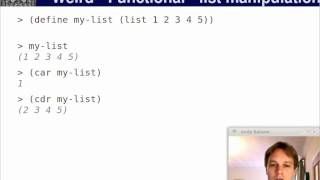
Scheme
Learn the fundamentals of Scheme, covering pairs, lists, closures, recursion, quotation, lambda, and macros in this comprehensive programming introduction.
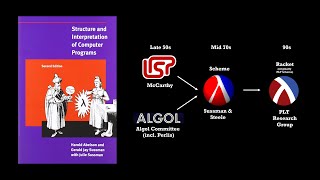
Structure and Interpretation of Computer Programs
Comprehensive exploration of computer programming concepts, covering data structures, abstraction, recursion, interpreters, and more. Ideal for deepening understanding of programming fundamentals.
Fall 2017
Explore AI, ML, NLP, and Lisp through comprehensive lectures covering semantic spaces, classification, language models, and parsing techniques for advanced computational linguistics.
Common Lisp
Learn Common Lisp through hands-on tutorials, covering setup, basic projects, advanced concepts like macros and functional programming, and culminating in a Turing Machine project.

SLIME: Superior Lisp Interaction Mode for Emacs - Emacs Conference 2013
Explore SLIME, a powerful Emacs extension for Common Lisp development, with Luke Gorrie's insightful presentation at Emacs Conference 2013. Learn about its features and benefits for Lisp programmers.
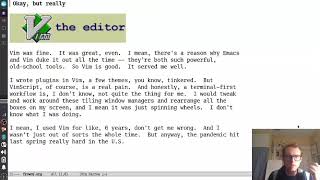
The True Frownies are the Friends We Made Along the Way - An Anecdote of Emacs's Malleability
Explore the creation of frowny.el, a joke package that showcases Emacs's flexibility and extensibility. Learn about Emacs's enduring appeal and its potential for non-technical users.
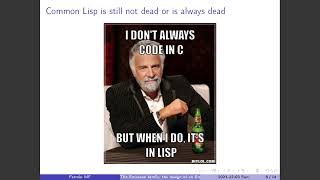
The Emacsen Family: Design, Importance of Lisp, and Alternatives - EmacsConf 2023
Explore the Emacs ecosystem, Lisp's importance, and alternative implementations like Lem. Gain insights into Emacs design choices and see comparisons through a practical demo.
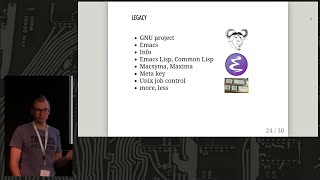
History of the Incompatible Timesharing System (ITS)
Explore the influential Incompatible Timesharing System's history, its impact on free software, and the groundbreaking programs it hosted at MIT's AI lab in the 1960s.
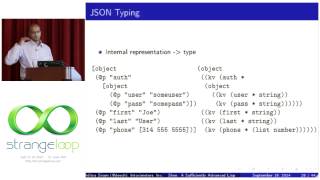
Shen - A Sufficiently Advanced Lisp
Explore Shen, a powerful Lisp with macro system, Prolog, and advanced type system. Demo showcases seamless integration of functional, logic, and imperative styles in web development.
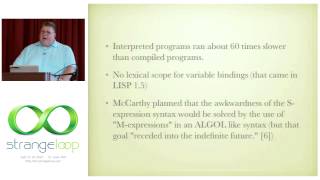
All of This Has Happened Before, and It Will All Happen Again
Explores the history of early programming languages, their goals, and how those motivations remain relevant in modern computing, drawing parallels between past and present challenges.
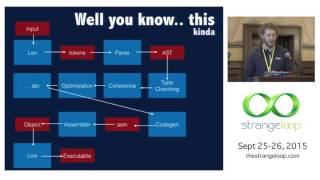
Rustc in Userland
Explore Rust's compiler architecture to build static analysis tools and compilers. Learn to implement a simple LISP and create JIT-like compilers using Rust's codegen machinery.
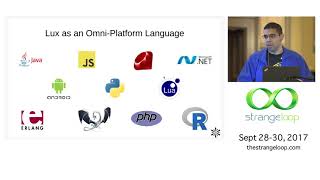
The Lux Programming Language
Explore Lux: a functional, statically-typed Lisp for multiple platforms. Learn about its features, philosophy, and potential impact on programming paradigms and meta-programming.

Stop Writing Dead Programs
Explore the future of programming with a critical look at current practices and innovative ideas for live programming environments that could revolutionize problem-solving in technology.
ClojureScript - Lisp's Revenge
Explore ClojureScript, a modern Lisp implementation targeting JavaScript, and its potential to revolutionize web development by bringing functional programming concepts to the browser.
Emacs as My Go To Script Language
Explore Emacs as a powerful scripting language alternative to traditional shells. Learn to transform buffers with Lisp functions for efficient workflows and task automation.

What I'd Like to See in Emacs
Richard Stallman discusses Emacs' future, emphasizing Lisp's importance, freedom concerns with JavaScript, and potential improvements in package naming, command interface, modularity, and text editing capabilities.
Let's LISP Like It's 1959
Explore the elegance of the original LISP interpreter from 1959, implemented in C. Discover the foundational concepts of computation through this mind-bending language design.
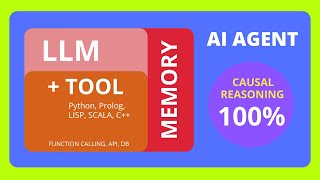
Perfect Reasoning for AI Agents Using ReasonAgain - Symbolic Code Implementation
Discover how to enhance AI agent reasoning through symbolic programming, exploring ReasonAgain's methodology for improving LLM mathematical and logical capabilities across multiple coding languages.