No Tears Atomics and LBS
Explore atomic operations and load balancing strategies in Linux systems, enhancing performance and reliability in complex computing environments.
AI Software Bill of Materials - From EU AI Act to MLOps
Explore the EU AI Act's transparency requirements and learn how to implement an AI Software Bill of Materials in your MLOps processes for enhanced compliance and transparency.

Less Cruft, More Power: Leverage the Power of the Web Platform
Discover how to harness the web platform's capabilities for efficient, powerful development. Learn to reduce unnecessary code and leverage native features for enhanced performance and functionality.
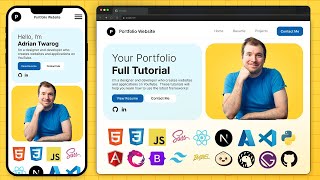
Create a Responsive Portfolio Website with Azure AI Features
Build a responsive portfolio website with Azure AI features, including HTML/CSS/JS basics, React/Next.js migration, and AI chatbot integration using Microsoft Azure OpenAI.

Build a View Transitions Powered Video Player in Astro
Create a persistent video player that continues playback across page navigations using Astro and browser-native View Transitions, enhancing user experience in web applications.
Move Mountains with Next.js and Docker Compose
Discover how Docker and Compose can revolutionize your Next.js web development, enabling reproducible environments and efficient management of multiple projects in a single repository.
Fine-tuning Phi-3 for LeetCode: Dataset Generation and Unsloth Implementation
Learn to generate LeetCode datasets and fine-tune Phi-3 models using Unsloth for improved coding problem-solving performance. Explore dataset creation, model training, and result evaluation.

Taylor Swift and the Democratization of AI for Developers - React Miami 2024
Explore how AI tools like OpenAI and Vercel's AI SDK enable developers to create smart experiences, illustrated through the development of SwiftieGPT, a Taylor Swift-focused chatbot.
Everything is a Plugin - DevWorld 2024
Explore the concept of plugins in software development and their versatile applications across various frameworks and technologies.
Unifying Trusted Data AI and Analytics - Informatica for Microsoft Fabric
Explore Informatica's integration with Microsoft Fabric, leveraging generative AI for enhanced data management, quality, and observability in a unified experience.
Unlocking the Power of Language Models in Enterprise - A Deep Dive
Explore language models in enterprise with Chris Van Pelt: strategies for startups, AI experimentation, product evolution, and leveraging customer insights for innovation in the rapidly evolving AI landscape.
Obfuscation Classification via Machine Learning for JavaScript, Python, and PHP
Explore machine learning techniques for classifying obfuscated code across JavaScript, Python, and PHP, enhancing cybersecurity analysis and threat detection capabilities.
PatternFly Elements - A Performant Design System
Explore PatternFly Elements 2.0, a versatile web component-based design system for consistent app experiences across tech stacks, including a preview of the Red Hat Design System.
Web Accessibility: Why, How and What?
Explore inclusive web design practices, WCAG guidelines, and techniques for creating accessible applications that cater to diverse user needs.
Seitan: A Plant-Based Recipe Against Syscall Anxiety
Explore a unified approach to privilege separation in containers and VMs using Seitan. Learn to write JSON recipes for filtered system calls and enhance security for untrusted workloads.
Enough Automation in Home Automation?
Explore the potential for enhanced automation in smart homes, focusing on device interconnectivity and user-friendly, shareable automations beyond basic control methods.
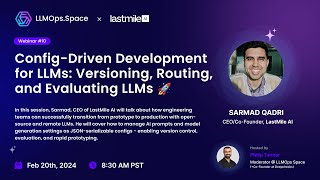
Config-Based Development for LLMs: Versioning, Routing, and Evaluating LLMs
Explore config-based development for LLMs, covering versioning, routing, and evaluation techniques to transition Generative AI apps from prototype to production efficiently.

The Miracle of Generators - Exploring ECMAScript 2015 Iterators and Coroutines
Explore ECMAScript 2015 generators: from simple iterators to powerful coroutines. Learn how they simplify asynchronous programming and uncover a fundamental computer science concept.

Building a Web Version of a Board Game - Learn with Jason
Learn to create a web-based board game using HTML, CSS, and JavaScript. Explore game logic implementation, UI design, and leveraging web technologies for interactive gameplay experiences.

Designing Wait-free Weak Reference Counting
Explore wait-free weak reference counting design techniques for efficient memory management in concurrent systems.
Simplify IoT/AIoT Development with POCO C++ Libraries and Macchina.io
Craft modular IoT applications with rich web interfaces using POCO C++ Libraries and macchina.io. Integrate sensors, protocols, and cloud services for efficient Linux-based device development.