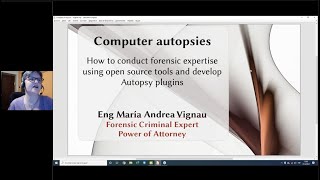
Computer Autopsies - Use Free Forensic Software
Explore computer forensics using Autopsy software, covering evidence collection, analysis, and custom plugin development. Learn practical skills for solving real-world digital investigation cases.

Where Have UAL Been?
Explore Microsoft's User Access Logs on Windows Servers, including authentication details, record retention, and parsing tools. Learn how these logs can be utilized in digital forensics and incident response.
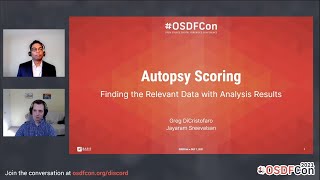
Autopsy Scoring - Finding the Relevant Data with Analysis Results
Explore Autopsy's scoring features to quickly identify relevant data in digital forensics investigations, combining analysis results for efficient case prioritization.
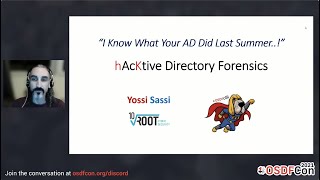
I Know What Your AD Did Last Summer - Talks About Active Directory
Explore Active Directory security, lateral movement, and privilege escalation techniques. Learn forensic approaches for investigating AD incidents using open-source tools, with insights for both red and blue teams.
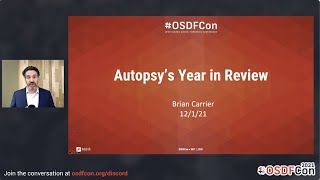
Autopsy Update
Comprehensive update on Autopsy digital forensics tool, covering new features like Web Domain interfaces, scoring, and Solr 8 upgrade. Explores improvements in UI, artifact pipelines, and integration with other forensic tools.
Incident Recorder
Demonstration of an open-source automation tool for Security Incident recorders, designed to track and document incidents efficiently for forensic and legal purposes.
Forensic Acquisition of Websites, Webpages and Online Services with Open Source Tools
Explore open-source tools for forensically acquiring online evidence, including websites, social media, and cloud services. Learn techniques for preserving digital content with verifiable processes and blockchain timestamps.
ARTHIR - ATT&CK Remote Threat Hunting Incident Response Windows Tool
Modular framework for remote threat hunting and incident response on Windows systems, mapping capabilities to MITRE ATT&CK Framework. Improves on Kansa with expanded functionality and community collaboration.
Windows Event Log Trick-Shots in Rust
Discover advanced techniques for processing Windows event logs using Rust, including fast large-scale searching, recovering records from empty pages, and leveraging open-source tools for forensic analysis.
Leaving No Stone Unturned
Explore memory forensics techniques for digital investigations, covering attack methodologies and analysis steps. Learn to uncover hidden evidence in volatile memory samples for more comprehensive case insights.
A Golden Ticket to the Cloud
Explore cloud security threats, including the Golden SAML attack, and learn detection strategies using open-source tools to protect against unauthorized access in cloud environments.
Velociraptor - Dig Deeper
Explore Velociraptor's powerful VQL for efficient DFIR hunting at scale. Learn to perform on-endpoint analysis, create custom detections, and implement real-time monitoring rules for rapid incident response.
Two Faces to the Same Linux - GUI Environments
Explore Linux desktop forensics in GNOME and KDE environments, comparing user activity artifacts and investigation techniques for digital forensics professionals.
Log Parser as a Forensic Tool
Explore Log Parser as a forensic tool for incident response, combining MS and open-source tools to collect and analyze system data, logs, and registry information efficiently.
Decrypting TLS Traffic on the Fly
Decrypt TLS traffic on-the-fly with friTap, an open-source framework for intercepting encryption keys. Learn about its applications in network forensics and protocol research across major operating systems.
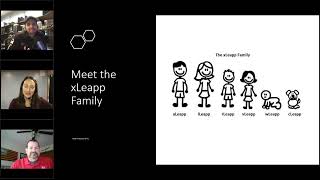
Meet the xLeapp Family
Explore the xLeapp family of digital forensics tools with FBI and academic experts, covering new developments, project extensions, and practical applications in mobile app analysis.
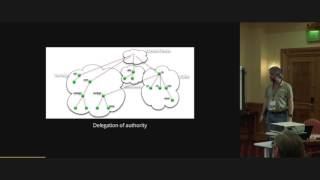
DNS at 30
Explore DNS evolution, DNSSEC, and emerging technologies in this comprehensive overview, covering authentication, privacy, and practical applications for developers.
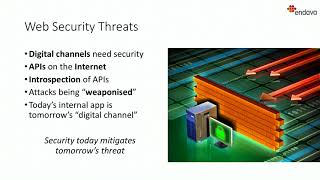
Common Webapp Vulnerabilities and What to Do About Them
Explore common web app vulnerabilities and practical mitigations based on the OWASP Top 10 List, focusing on injection attacks, authentication issues, and data exposure risks.
Implementing Physical Units Library for C++
Explore challenges and solutions in designing a Physical Units Library for C++, leveraging C++20 features for improved usability, maintainability, and extensibility.

It's DNS, Jim, but Not as We Know It
Explore recent DNS advancements, including privacy features like DoT and DoH, and their impact on developers and systems. Learn about the latest technologies and navigating DNS RFCs.
The Anatomy of an Exploit
Explore exploit development through C and x86_64 assembly, gaining insights into security vulnerabilities and the attacker's perspective for more secure coding practices.